
FILM – INSTALLATION
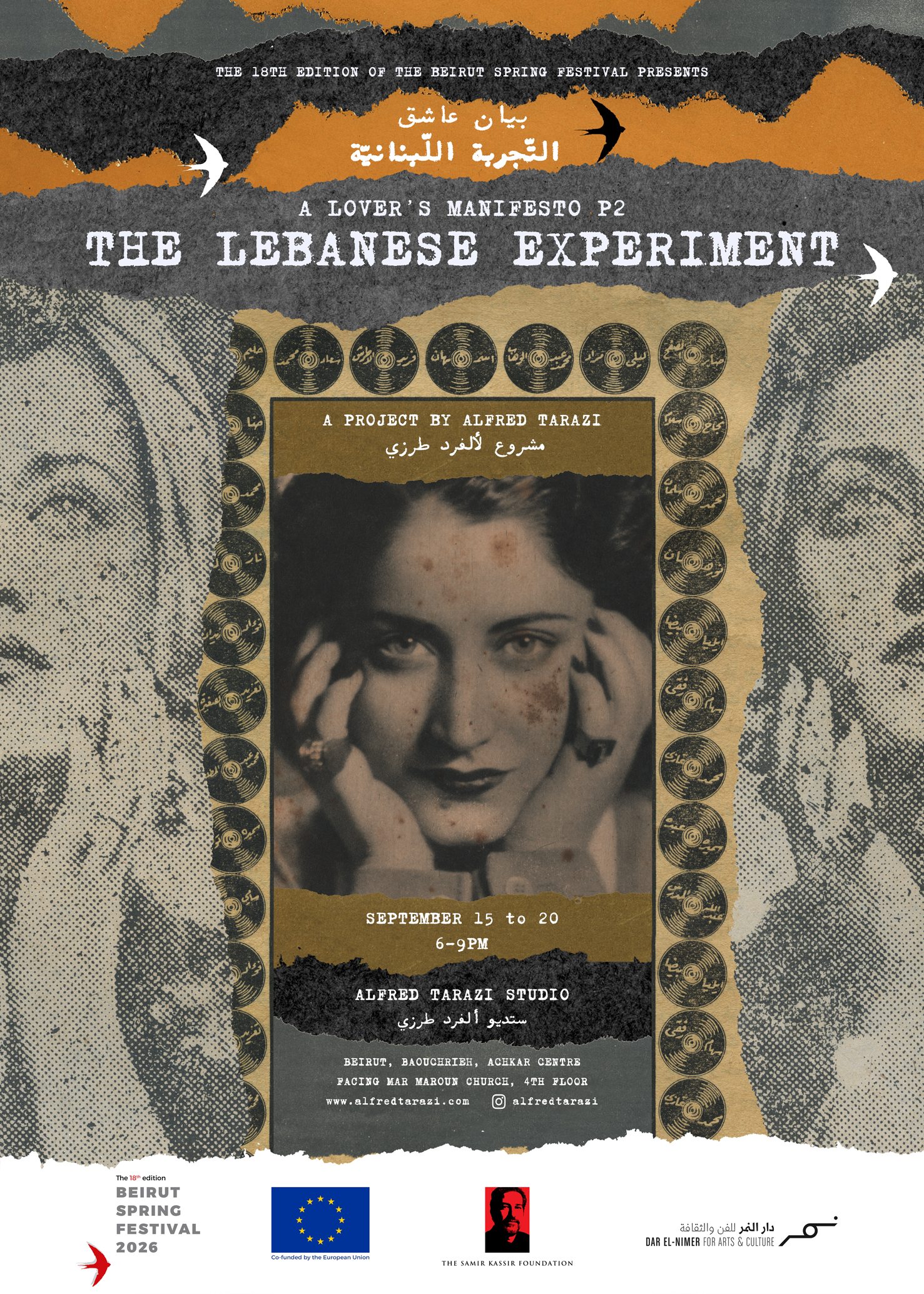
A LOVER'S MANIFESTO P2: THE LEBANESE EXPERIMENT 1920-1958
Alfred Tarazi
Lebanon / Creation 2026
An exhibition and the second chapter of an animated history of Beirut.
Tuesday 15 to Sunday 20 September 2026, from 6 to 9 pm
Alfred Tarazi Studio, Baouchriyeh
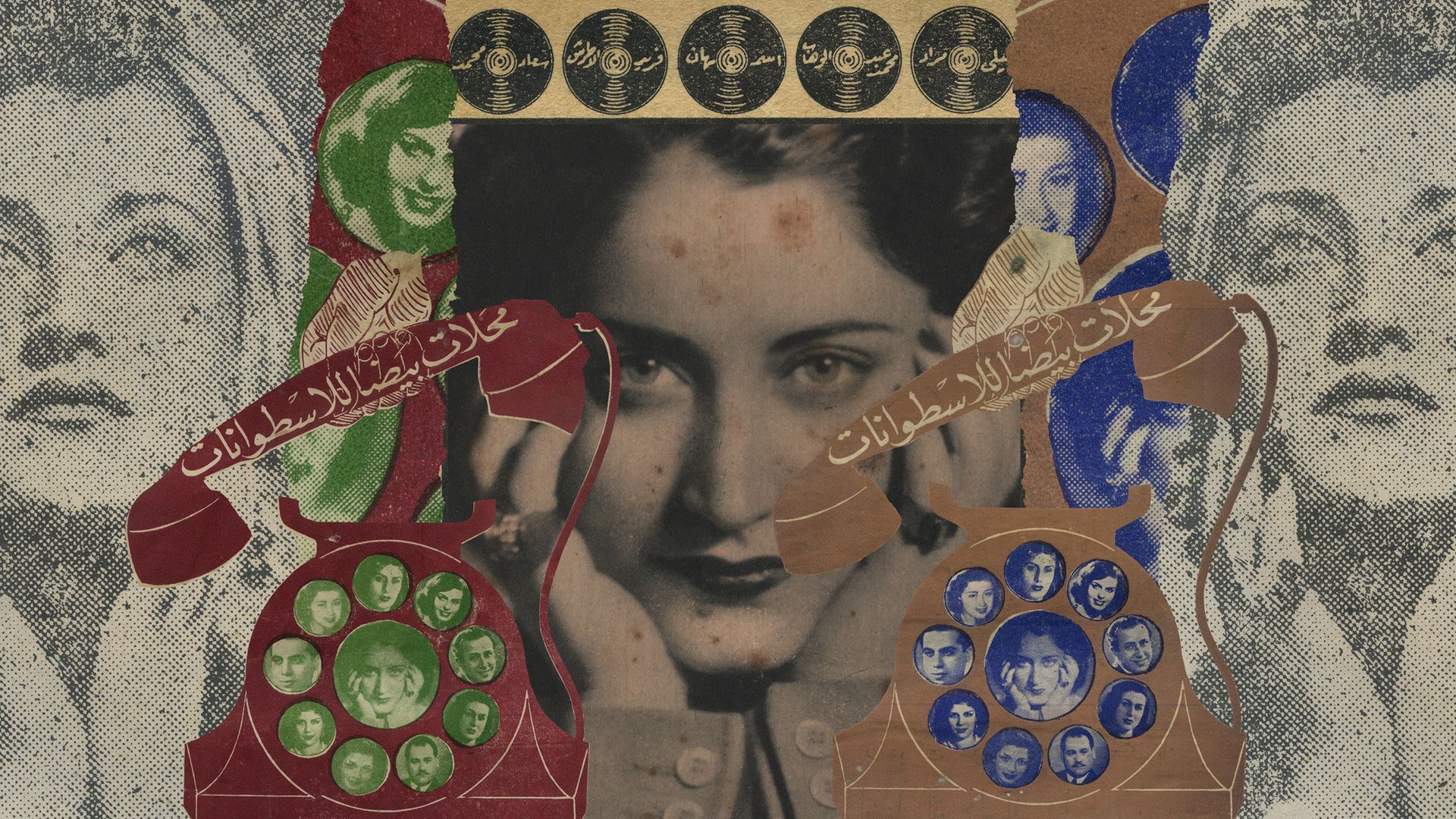
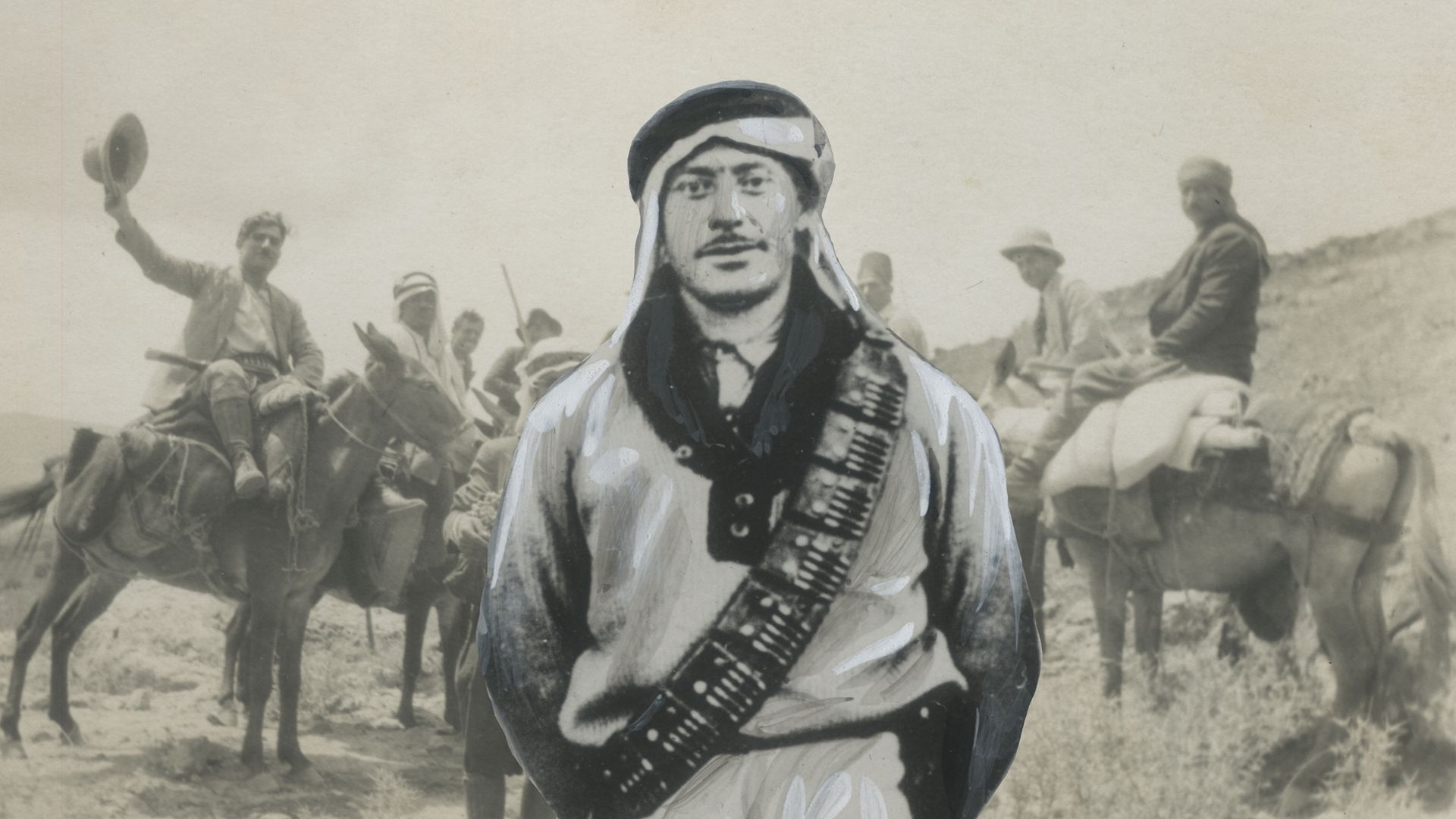
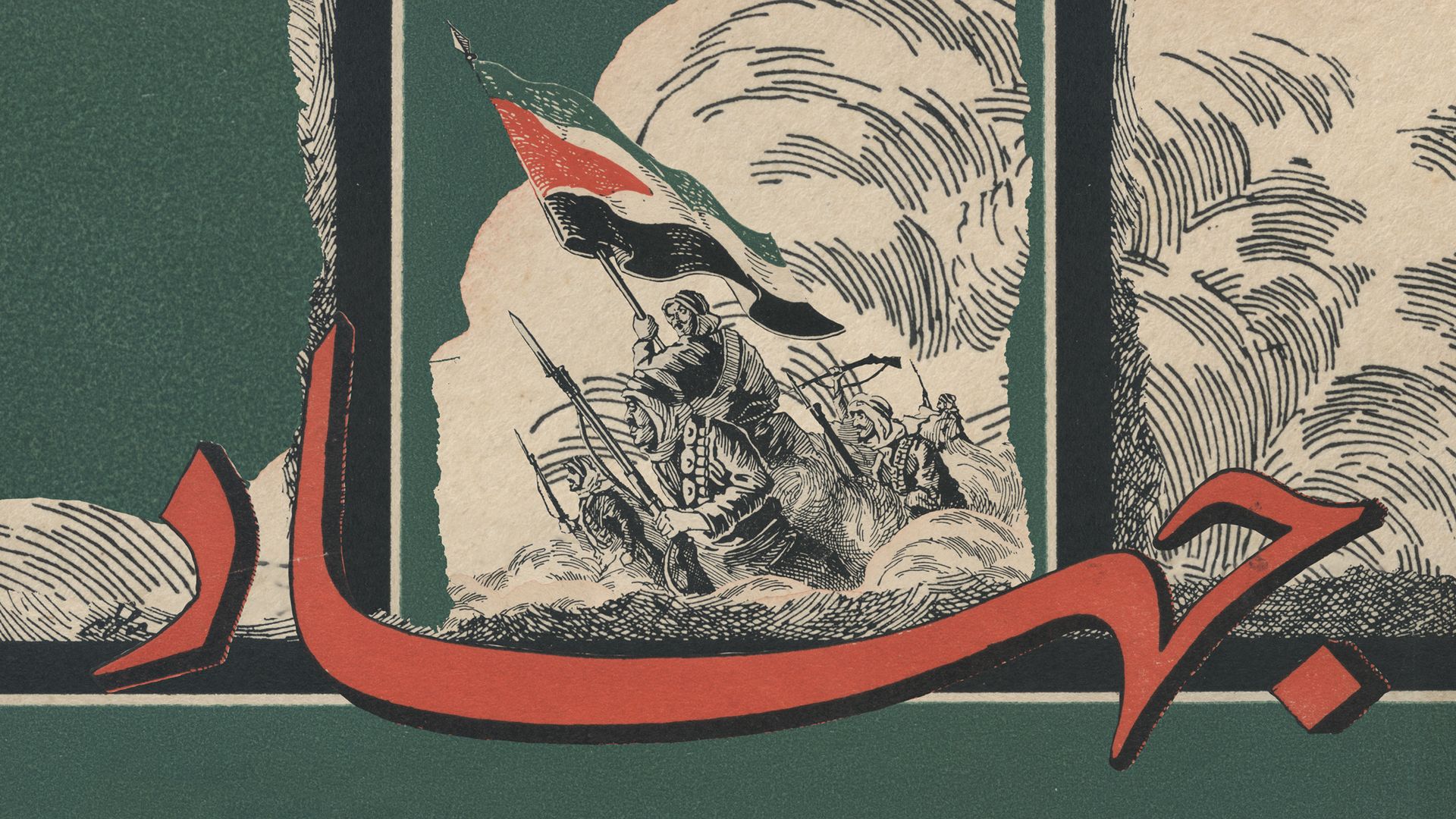
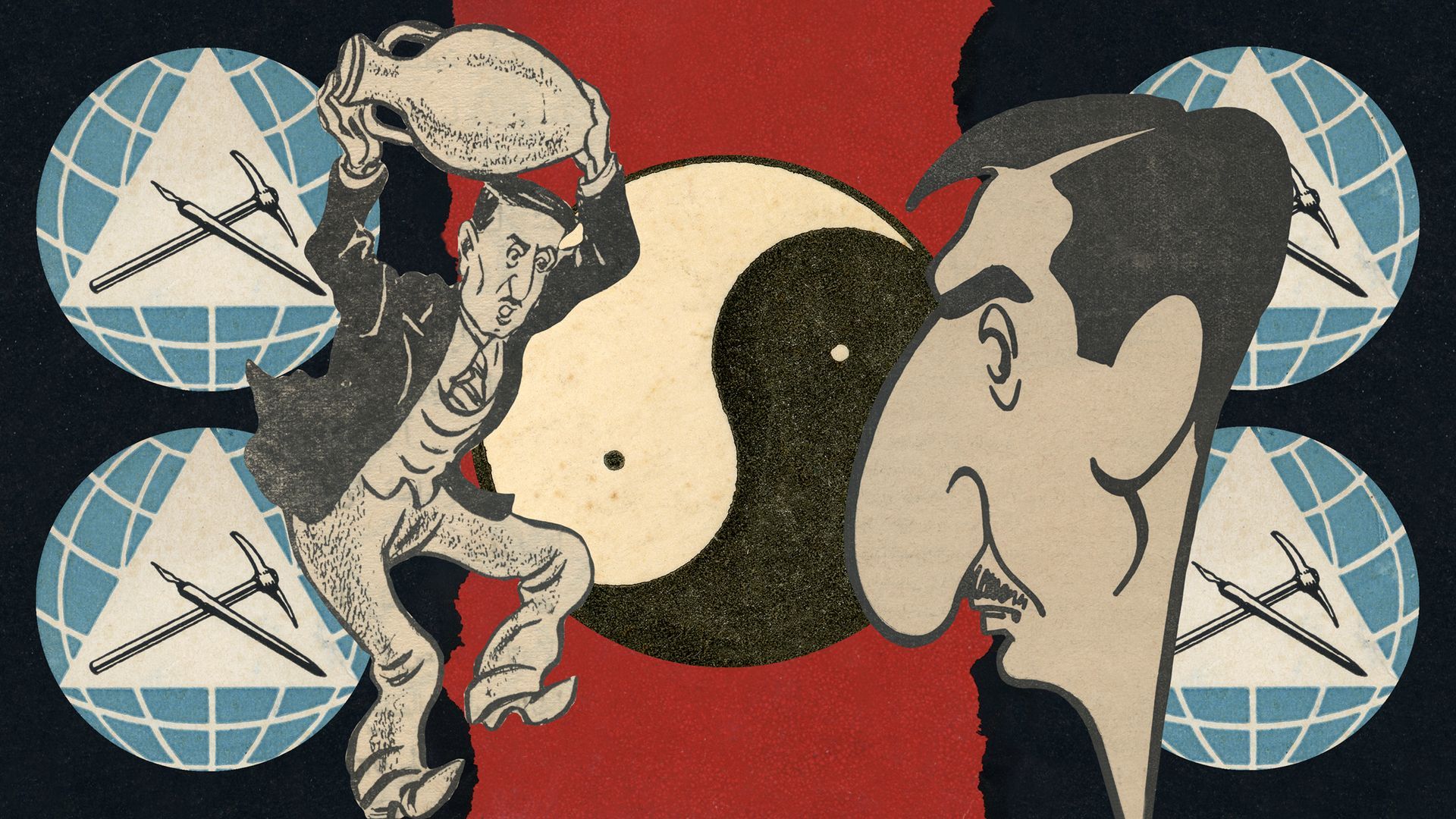
The Lebanese Experiment (90 mins) is an animated history of a unique experiment in Arab modernity, tracing the making of modern Lebanon from the early twentieth century to independence. From the heart of Beirut, where newspapers, radio, cinema, advertising, music, and popular culture flourished, the film follows the political and social transformations that accompanied the emergence of the Lebanese Republic. But rather than telling history only through its great figures and defining events, it looks to the small details that set those events in motion, and to the images, sounds, and stories through which people came to understand them. Here, political struggle meets popular culture: speeches and manifestos encounter poems, songs, films, and photographs. The film explores how these forms of expression became more than reflections of history. They were themselves forces that shaped political consciousness, mobilized communities, and imagined new possibilities.
A Lover’s Manifesto is an animated history of Beirut in five parts, tracing the city’s development from its emergence as a modern city in 1860 to its invasion by the Israeli army in 1982.
It is a video installation made from thousands of archival images, addressing the urgency of remembrance and transmission. Through a collection of historical narratives, the film reconstructs the complex history of a city that stood at the vanguard of Arab modernity.
As the narration unfolds, we follow the birth and demise of two phenomena that radically transformed the city: Sexual Liberation and the Palestinian Revolution. We examine how they created vivid imaginaries that paved the way for the transgressions of the Lebanese Civil War. We ultimately follow how, in this bloody context, the ideas of liberating land and body were undone by the pornographies of flesh and war.
Dubbed “The Lebanese Experiment,” the second part covers the period from 1920 to 1958.
This film essay covers a long historical stretch, from 1860 to 1982, focusing on two phenomena that have marked the city of Beirut: sexuality and armed violence.
1860 coincides with the rise of modernity in Beirut following the Second Industrial Revolution. It also marks the massacres of 1860.
This fresco ends more than a century later, in 1982, with massacres tearing through the same geography. Its ultimate event horizon is the Israeli invasion of 1982, which Samir Kassir described as a blow to a unique laboratory of Arab modernity.
It is this Lebanese experiment with modernity that the project intends to celebrate and question.
At the base of this project lies a thorough exploration of Lebanon’s numerous outlets of modernity, such as printing presses, publishing houses, and recording studios. For many years, we have been mapping their lives and their irreversible demise. In often catastrophic situations, we have also been collecting the remnants of these cultural institutions. The resulting collection of newspapers, periodicals, records, and film reels reflects the cultural production of a city that resonated throughout the Arab world.
From this exhaustive dive into the archives of Lebanon’s modernity, we are constructing an animated fresco in which history unfolds with all its contradictions and conflicting narratives. The tragedy builds almost imperceptibly.
In the centennial life of Lebanon’s consensual democracy, many discordant narratives have emerged, and much blood has been shed. Beyond that, men and women were killed for ideas they believed in, for a nation they were all attempting to build in various ways. One of the main drives behind this project is the toxic legacy of these unresolved histories. One of the by-products of this toxicity has been either the lack of transmission from one generation to another or the propagation of partisan politics. What opportunity do younger generations have to assess and understand their country? Since 1975, generation after generation has been brought into chaos, with no real opportunity to shape their future. The answer for the future rests in a comprehensive understanding of the history of the land and its people.
The essay is divided into five parts covering five distinct periods in the city’s history:
- P1: Premise: 1860–1920
- P2: The Lebanese Experiment: 1920–1958
- P3: The Long Sixties: 1958–1968
- P4: The Time of Revolutions: 1968–1975
- P5: The Lebanese Civil War: 1975–1982
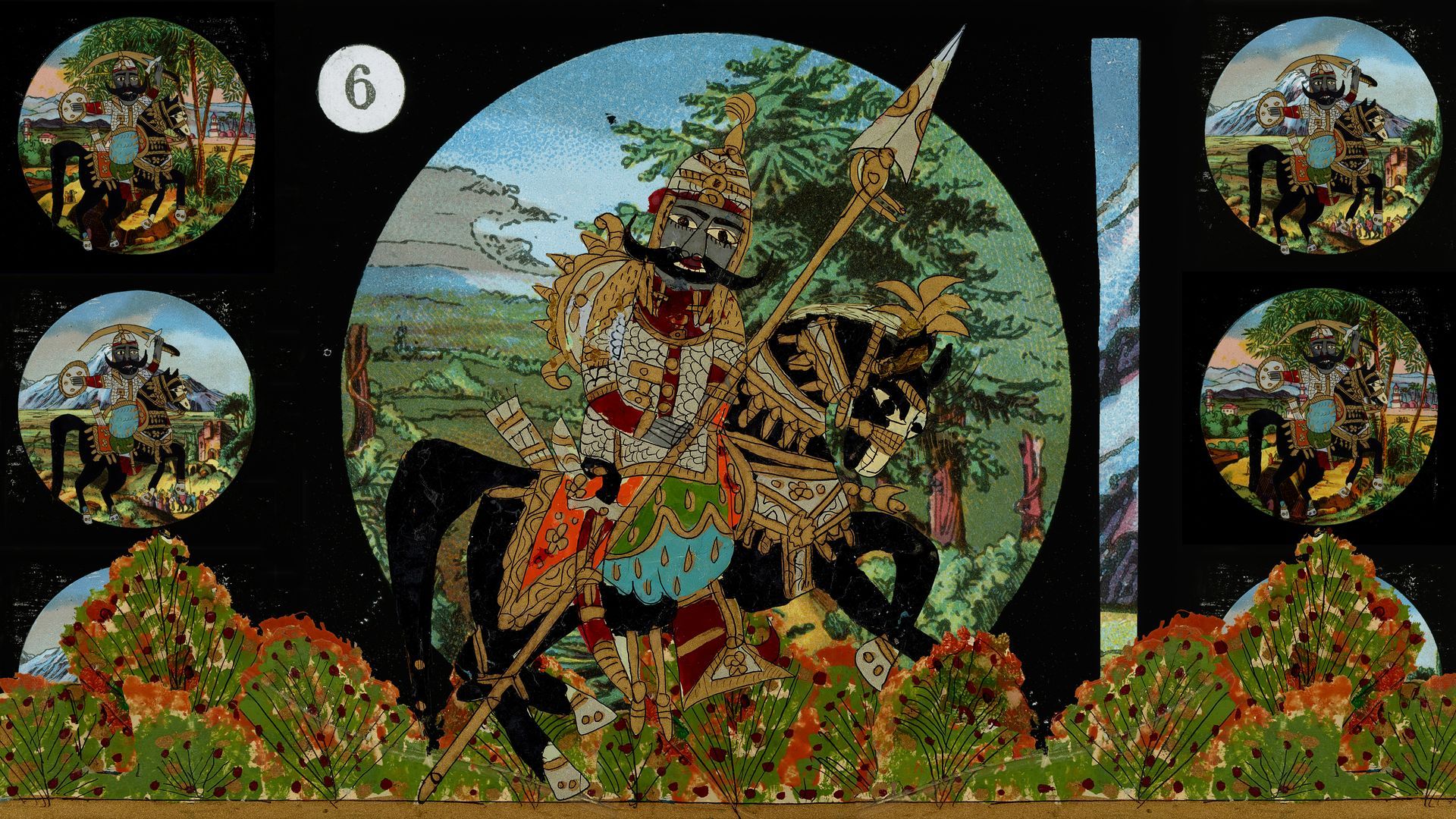
Each section is built around small historical vignettes made of animated still images. Most of these originate from the Lebanese press, from the early 1900s to the mid-1980s. Thousands of publications and printed materials have been digitized over the years, allowing us to compose each vignette from a breadth of material. We were able to create a real textural evolution in the history of image-making and study the agency of images. Here, images are not mere representations of events; they are the main protagonists, and as such, this manifesto aims to restore their power and empower new generations of image-makers.
While most vignettes deal directly with Lebanon, some aim to highlight regional and international events that have had a direct impact on the history of the country. These vignettes will serve as a thread guiding us through a dense narration.
Through numerous encounters in Lebanon, a great deal of material relevant to this research was gathered. The very stories of how that material was gathered are in themselves a tale to be told. In many cases, piles of paper and celluloid were saved from the dumpster.
Looking at the material that was produced at the time, what we notice is a rich visual culture manifesting itself in print, sound, and celluloid. Today, these enterprises represent some of the best adventures in sound and image originating from the region. For instance, studying the various magazines published around the time, we notice a vivid print culture that suddenly declined at the end of the 1970s.
Collage (detaching visual material from its original context and reinterpreting it) and montage (pacing and editing this material) will thus be the tools of my own revolution: a manifesto for remembrance and a surge to act.
History undoubtedly produces images, but what impact do images have on history? The seventies witnessed a proliferation of images that appeared in print, on film, and on television.
The means of producing and disseminating images became more instantaneous and entangled in people’s daily lives. In this project, I intend to analyze two sets of images: those related to Sexual Liberation and those related to the Palestinian Revolution. For both movements, the production of images played a central role to propagate their respective messages. I intend to show that what these two movements had in common was their use of the revolutionary means at their disposal, the instruments of modernity they hijacked in order to convey their messages. I propose to study their modes of production and build a political essay around archives and the writing of history. By delving into thousands of documents dating from the nineteen forties to the eighties, ranging from erotic Lebanese magazines to political periodicals, I intend to retrace the evolution in the representation of women as well as that of the Palestinian cause in the Lebanese public sphere, with a special focus on their turning points, which culminated for both in the seventies. This project is a celebration of its graphics and of the central role artists and designers played in these respective revolutions. Finally, in this highly visual realm, one cannot possibly dismiss music. Alongside the turbulence of the imagery and messages, there are tunes that were no less revolutionary and equally embodied the struggles of the time. In this project, I dissect these sounds and images in order to build a buzzing fresco made of fragmented relics of a fight that remains as relevant as ever.
English with Arabic subtitles.
🕓 90 minutes
No break
Alfred Tarazi (b. 1980, Beirut) is a multidisciplinary artist whose work traces the ruptures, romances, and residues of the modern Arab world. For over two decades, he has amassed a vast personal archive - an obsessive, poetic act of historical preservation - from which he constructs dense, cinematic works across digital collage, photography, sculpture, installation, and film.
Formed in the long shadow of the Lebanese Civil War, Tarazi’s visual language reflects a profound engagement with memory: how it is recorded, manipulated, mythologized, or forgotten. His immersive tableaux often blur the lines between personal recollection and state archives, where history and myth collide, and the unresolved past reverberates in the present.
Tarazi has exhibited widely, from Beirut to Venice, Vienna, Milan, and beyond. He was awarded the Lokman Slim Prize in 2023 and, in 2024, received the Prince Claus Mentorship for Moving Narratives. He is an artist in residence at UMAM D&R, where he continues to interrogate the architecture of memory, and why remembering still matters.
TITLE
A Lover’s Manifesto
Written, Directed, and Produced by
Alfred Tarazi
Alfred Tarazi was born in Beirut in 1980. In 2004, he graduated with a degree in graphic design from the American University of Beirut. A Lover’s Manifesto is his first film.
Lead Animator
Alaa Fleifel
Alaa Fleifel is an animator, animation director, and independent filmmaker. He graduated in 2020 with a degree in graphic design from the American University of Beirut. He is a founding member of the Animation Collective under the Lebanese Cinema Cooperative. He has created two award-winning animated short films with international recognition. Alaa led a team of four animators over a period of four months to bring A Lover’s Manifesto P1 to life.
Sound Artist
Fadi Tabbal
Fadi Tabbal is a Lebanese musician, producer, and sound engineer whose work consists of minimalist pieces ranging from ambient and electronic to drone and contemporary classical. Tabbal released six solo albums between 2013 and 2021. Although his early work was composed solely on guitar, he gradually moved toward synths, electronics, voice samples, and tape loops, expanding his sound palette and further exploring the concept of “controlled randomness” in his compositions. Often referred to as “the hardest-working man in Lebanon’s alternative music scene,” Tabbal relocated to Beirut in 2006, following studies in sound engineering in Montreal, Canada. He subsequently established Tunefork Studios, a specialized workspace offering customized services including full-band recordings, live sound, music production, and composition. He has produced and recorded some of the most renowned Lebanese and international acts in today’s contemporary alternative music scene.
Production Year
2026
Co-Funded By
The European Union
With the Support of
Samir Kassir Foundation
Presented At
Beirut Spring Festival 2026
Partners
A Lover’s Manifesto has partnered with:
- Dar Al Furat — Aboudi Abou Jaoude
- UMAM Documentation and Research — Beirut
- Galerie Krinzinger — Vienna
Archives & Collections
A Lover’s Manifesto has relied on the following archives and collections:
- Archives of the Institute for Palestine Studies, the American University of Beirut, and the Holy Spirit University of Kaslik
- Private collections of Yehya Hakim, Aboudi Abou Jaoude, Alfred Tarazi, and Camille Tarazi
Grants
A Lover’s Manifesto is a recipient of the following grants:
- 2026 — Beirut Spring Festival, “Tech for Memory,” with funding from the European Union
- 2025 — Doha Film Institute
- 2024 — BERYT Grant, implemented by UNESCO
- 2024 — Prince Claus Fund, Moving Narratives Award
© 2026 Alfred Tarazi. All rights reserved.
Alfred Tarazi Studio
Indoors venue
Capacity: 200 seats
Phone Number: +961.3.223.738
Parking available for free / street parking / parking available for a fee
Media Clips