
FILM – PERFORMANCE
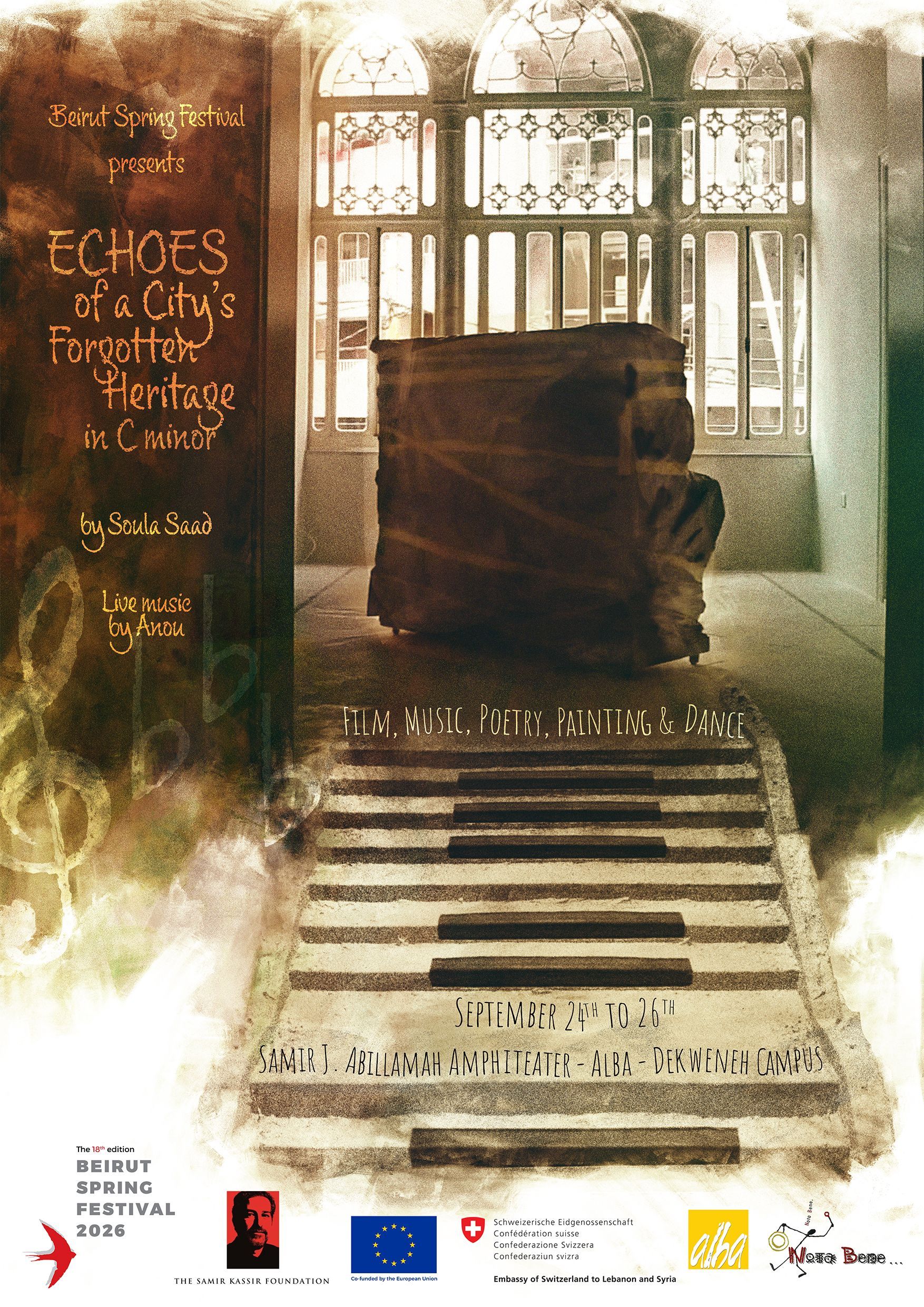
ECHOES OF A CITY’S FORGOTTEN HERITAGE... IN C MINOR
Soula Saad, live music by Anwar Bizri
Lebanon / Creation 2026
Film, music, poetry, spoken word, and dance document Beirut’s post-explosion heritage restoration through the symbolic journey of a damaged piano.
Thursday 24 to Saturday 26 September 2026, from 6 to 9 pm
Académie libanaise des beaux-arts (ALBA), Sin-el-Fil
Echoes of a City’s Forgotten Heritage… in C Minor is a multimedia stage production combining a documentary film screening with live piano, vocal music, poetry, spoken word, and dance.
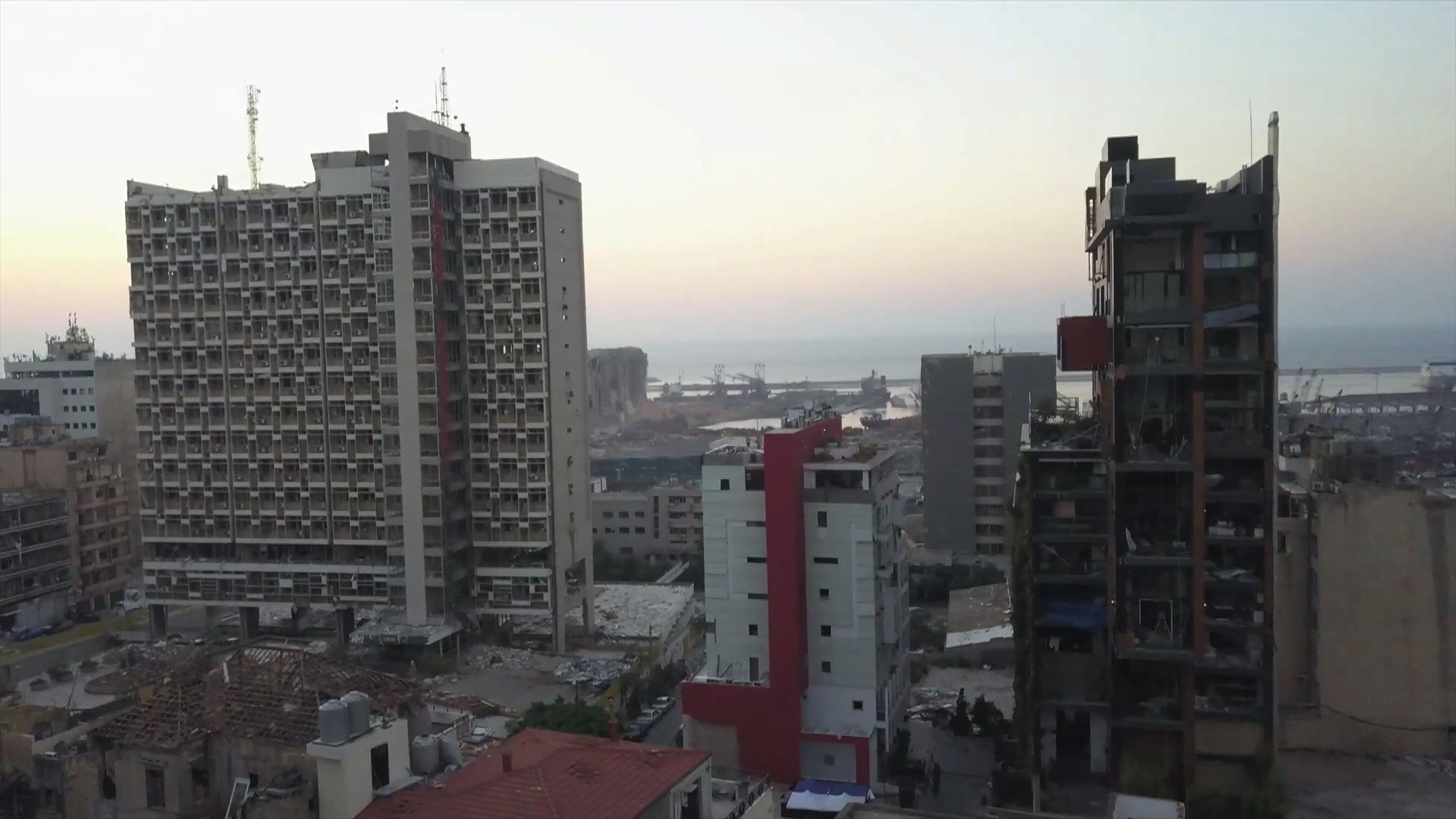
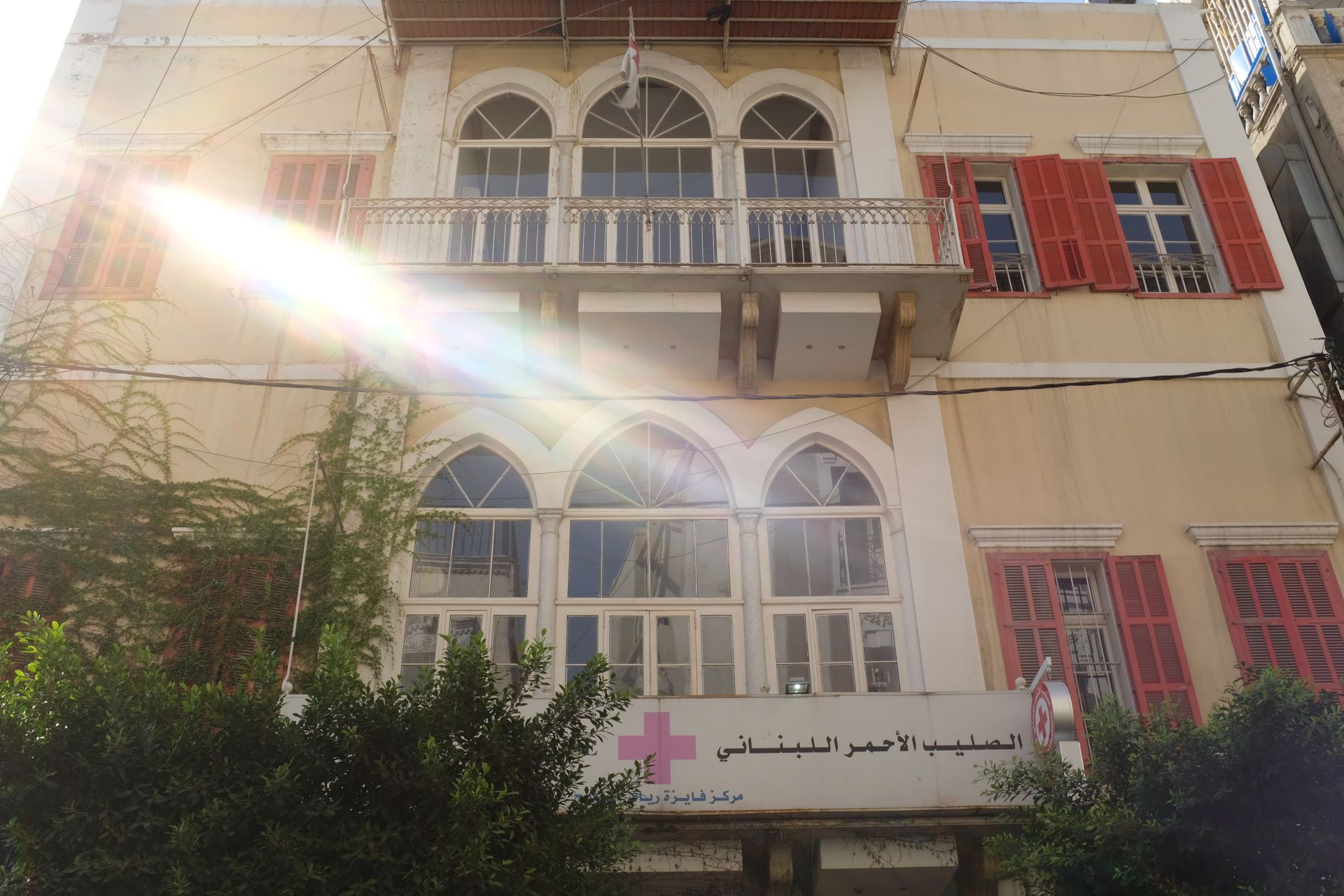
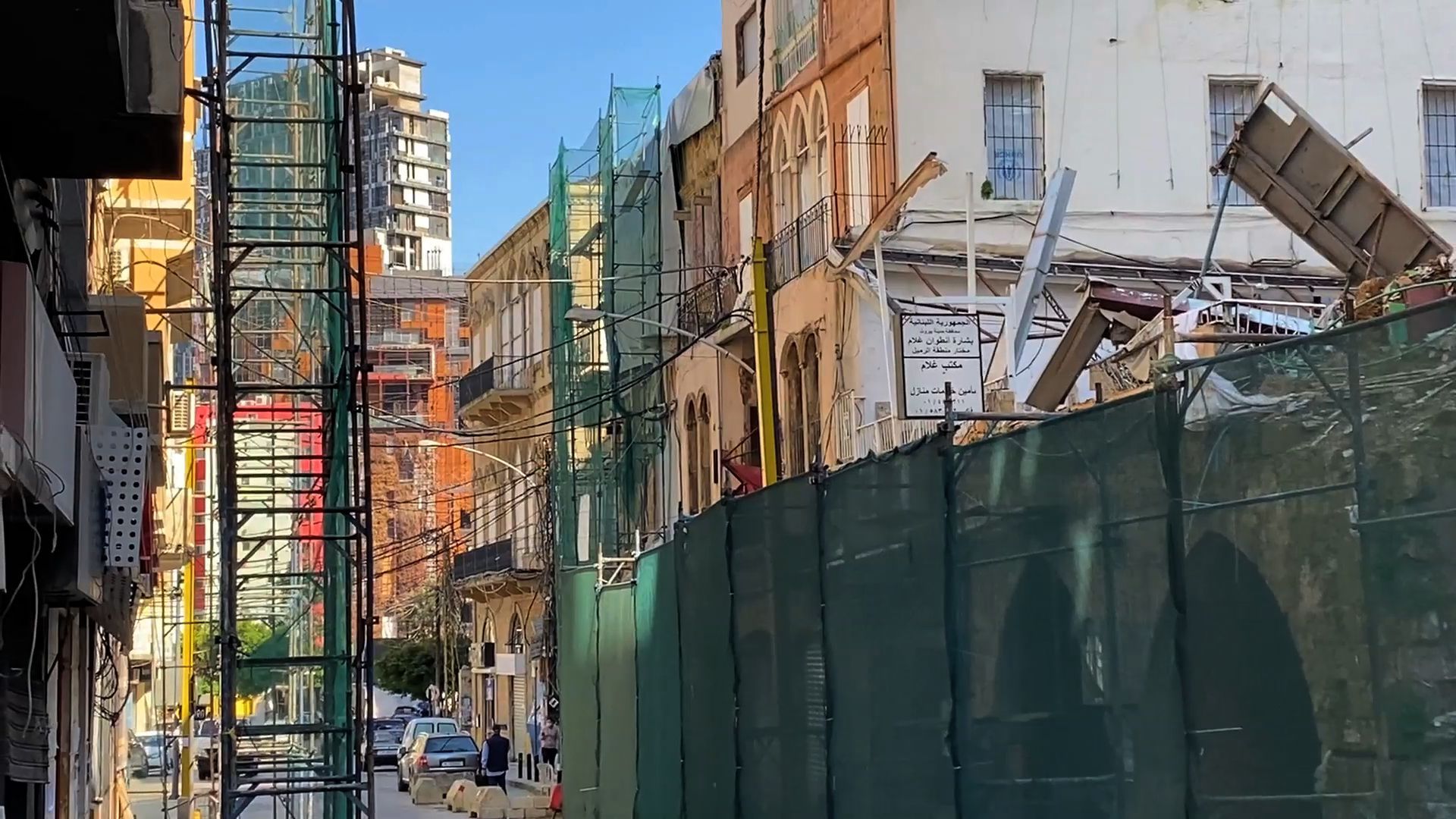
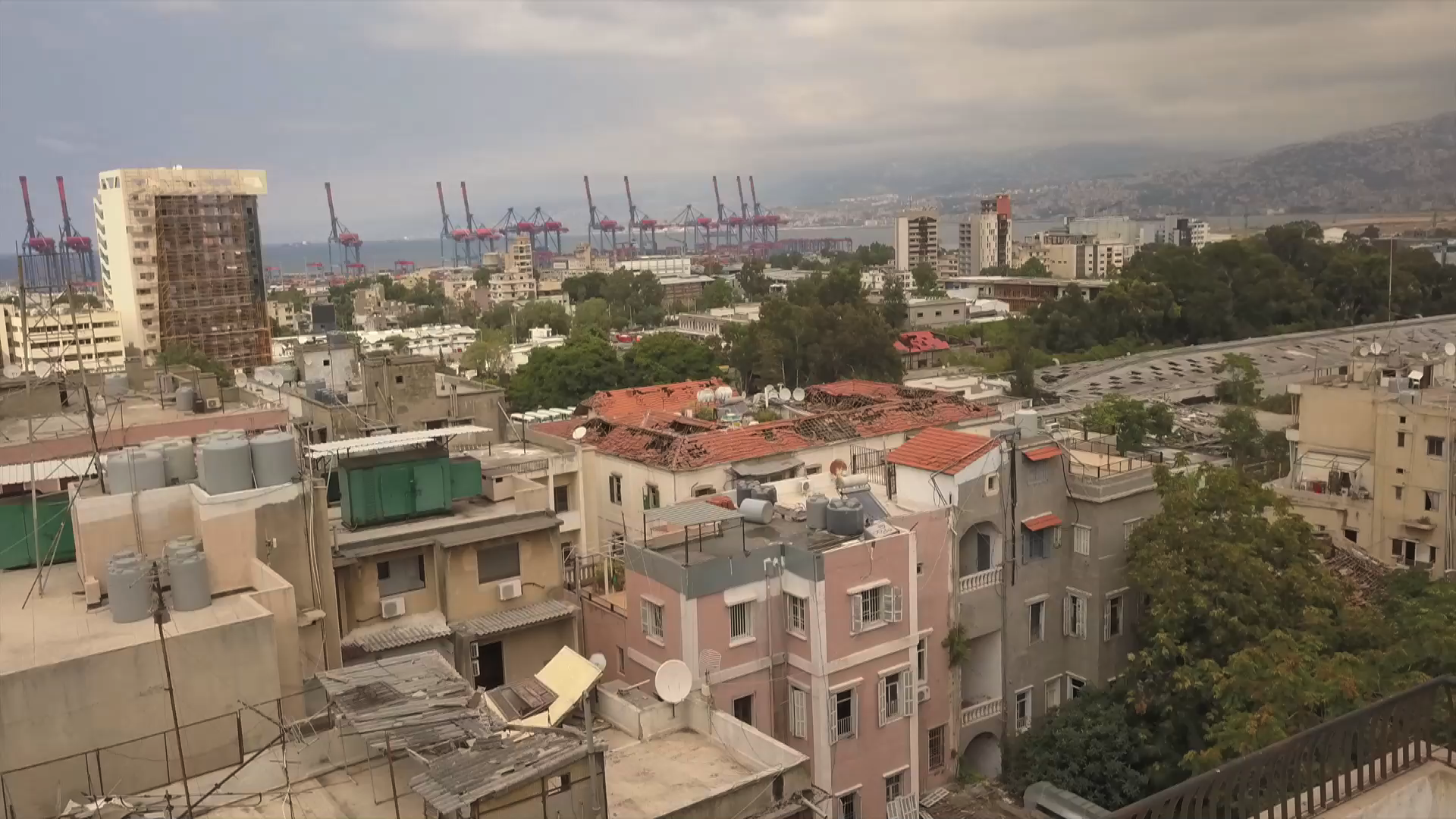
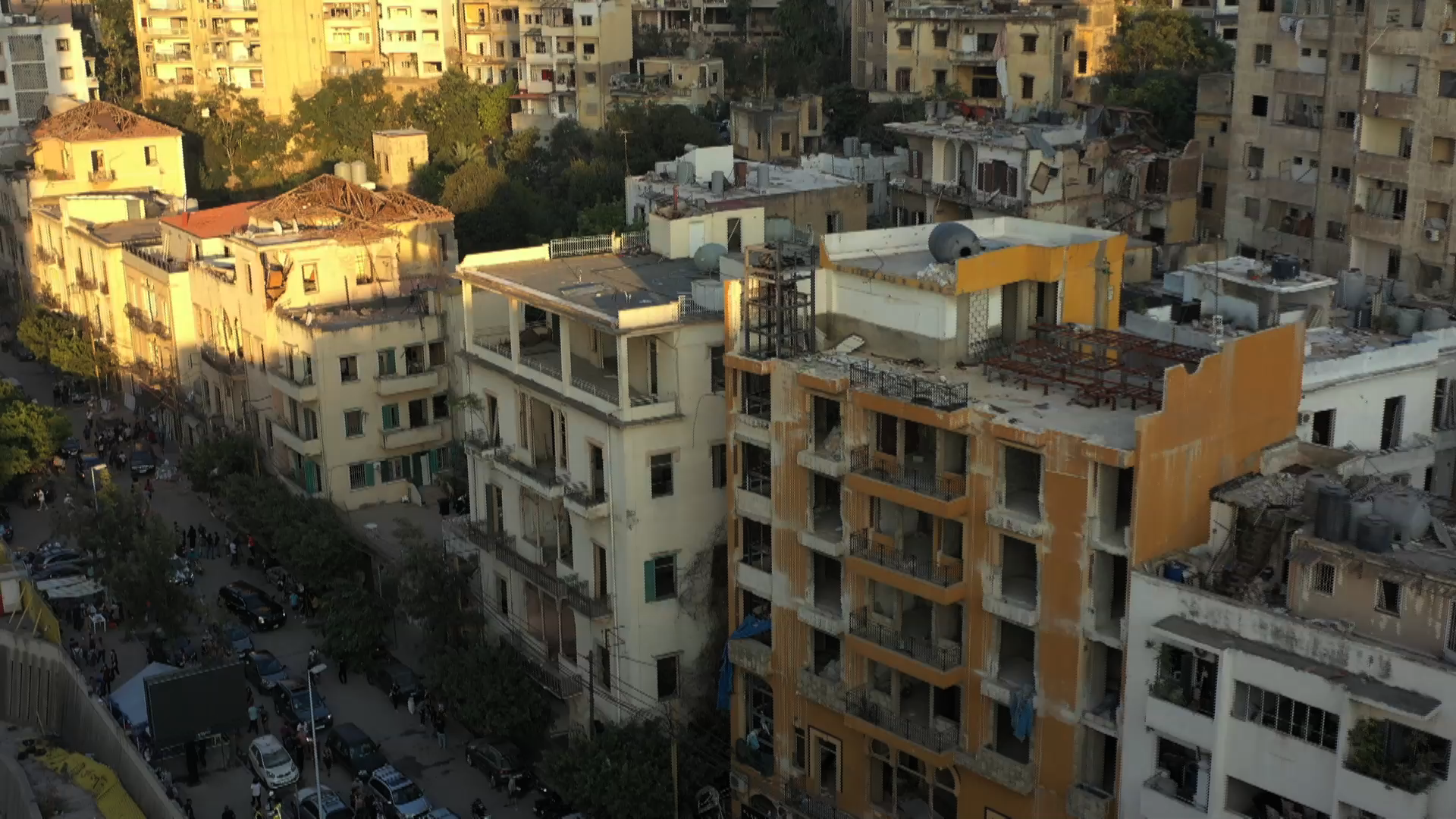
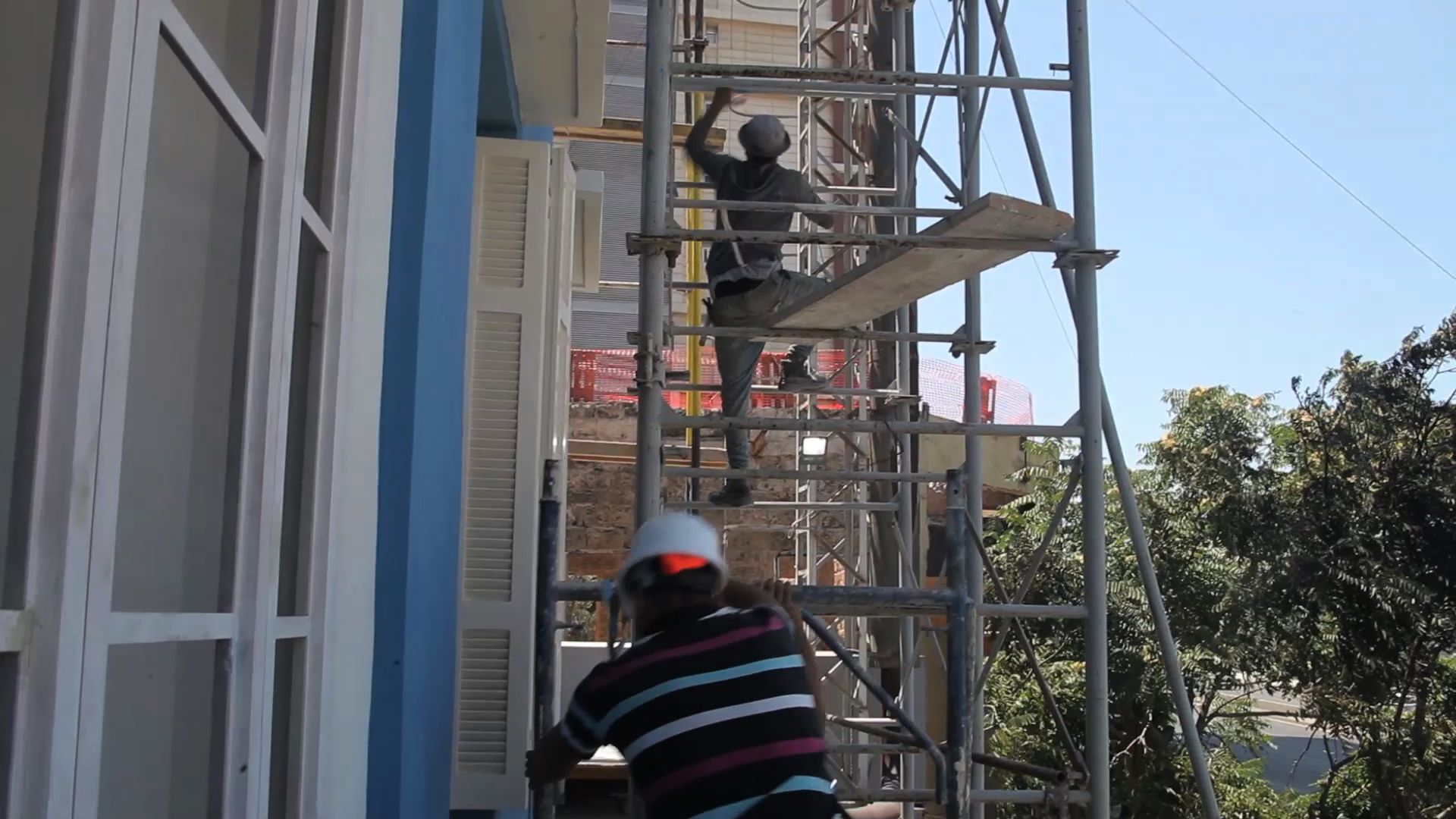
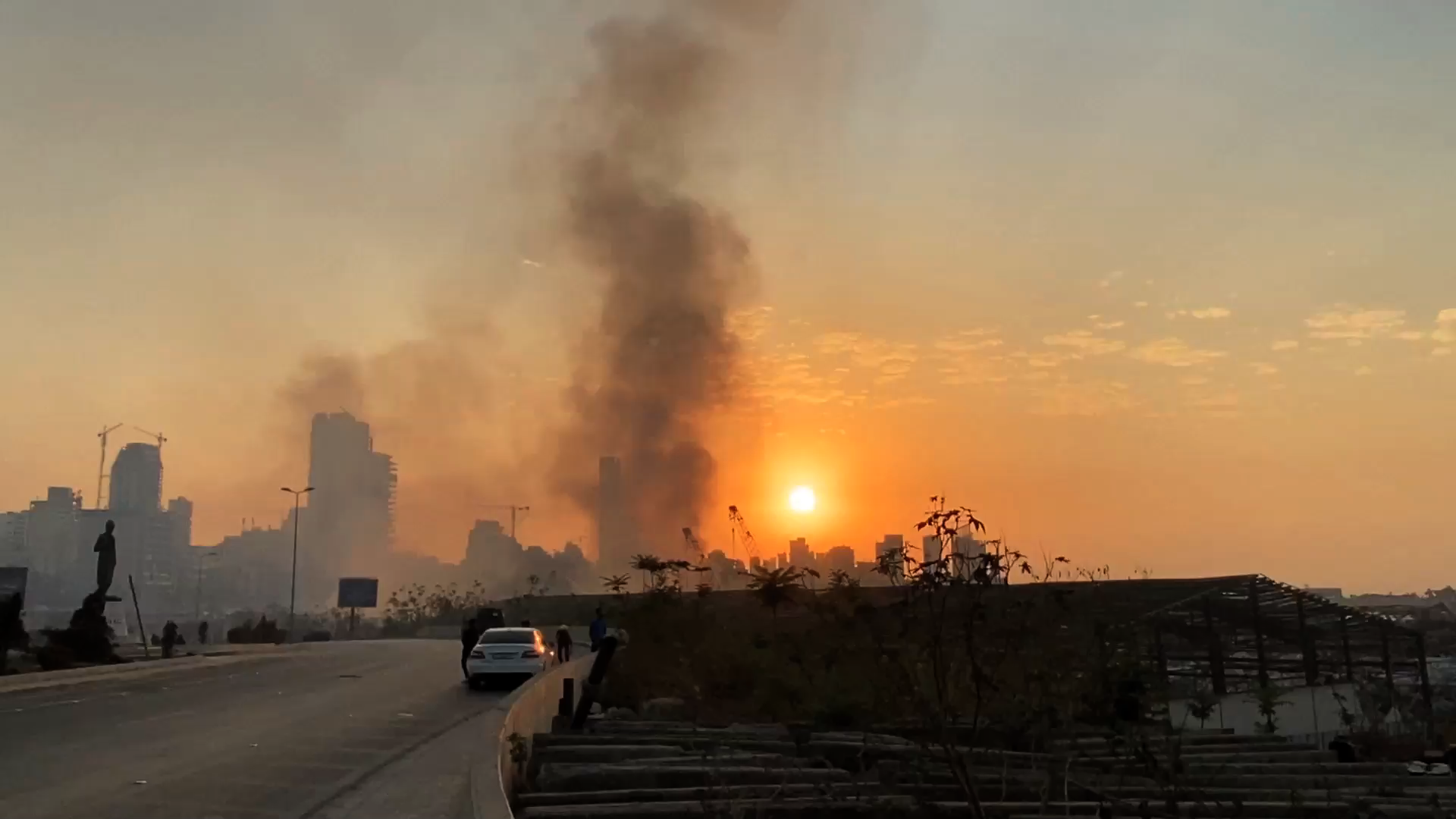
Set in the aftermath of the August 4, 2020, Beirut Port explosion, the project documents the destruction of Beirut’s historic neighborhoods and hundreds of heritage buildings, the absence of an adequate government response, and the mobilization of architects, engineers, artisans, NGOs, and volunteers who worked to restore damaged homes and preserve neighborhood communities.
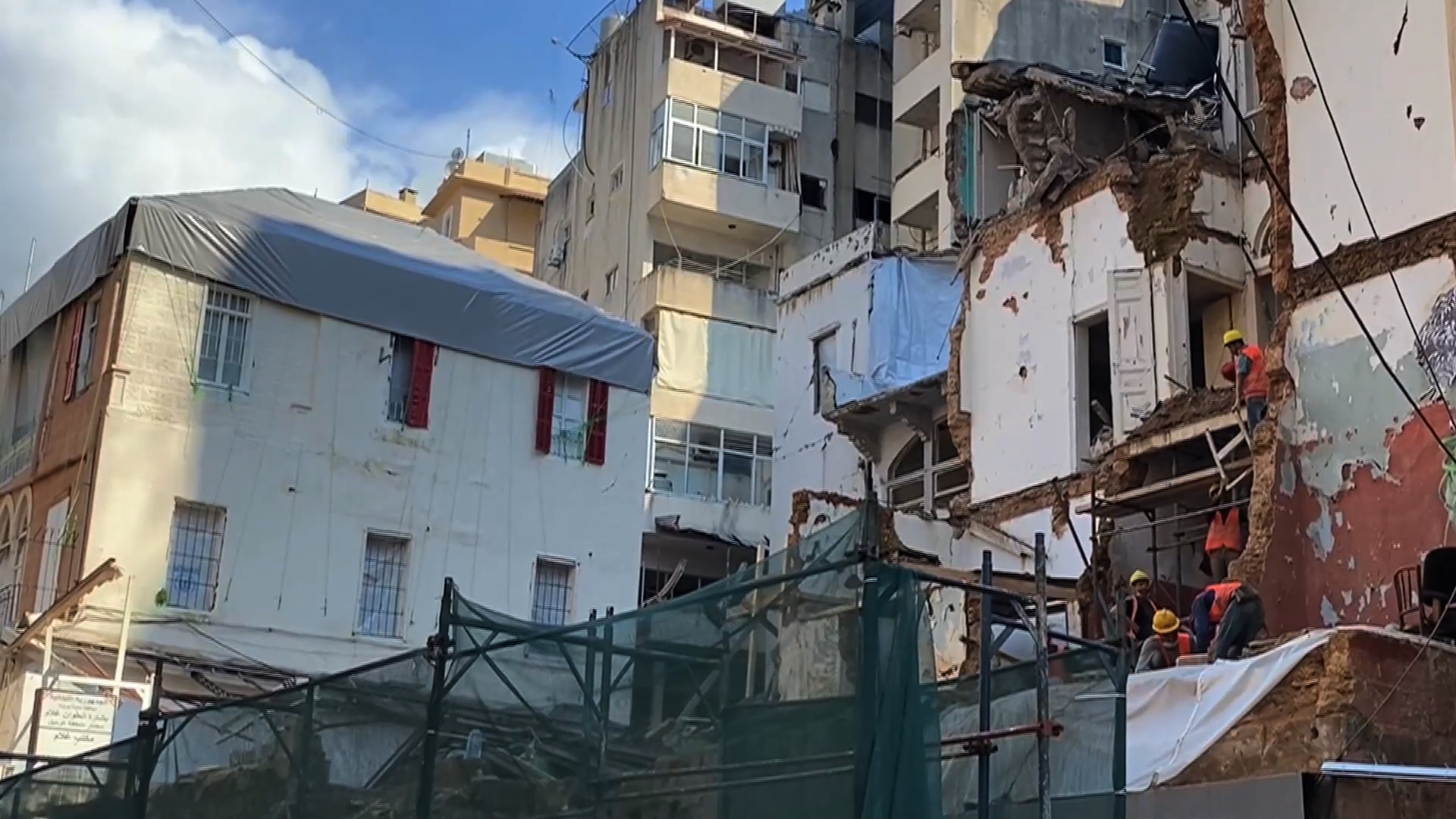
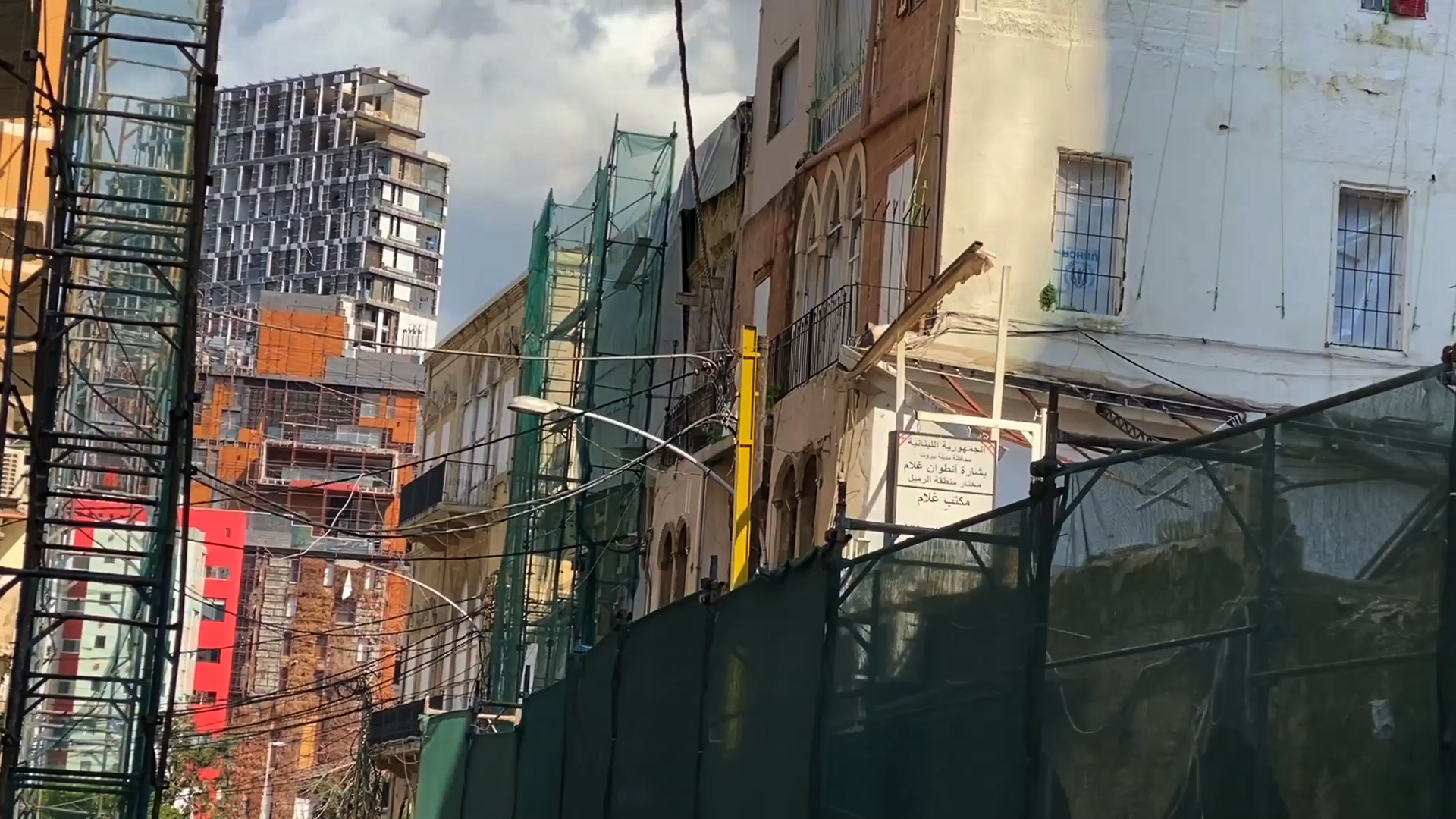
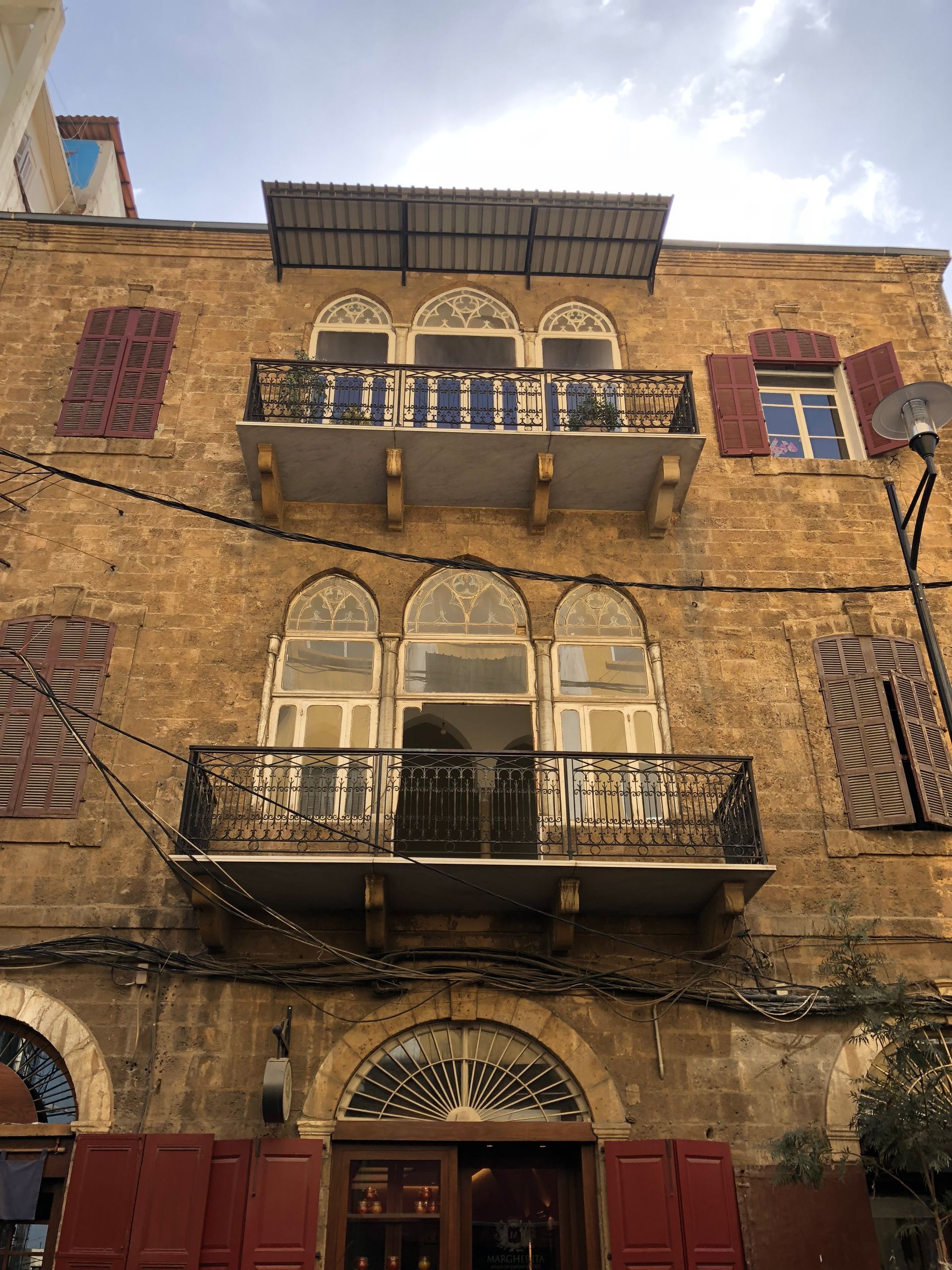
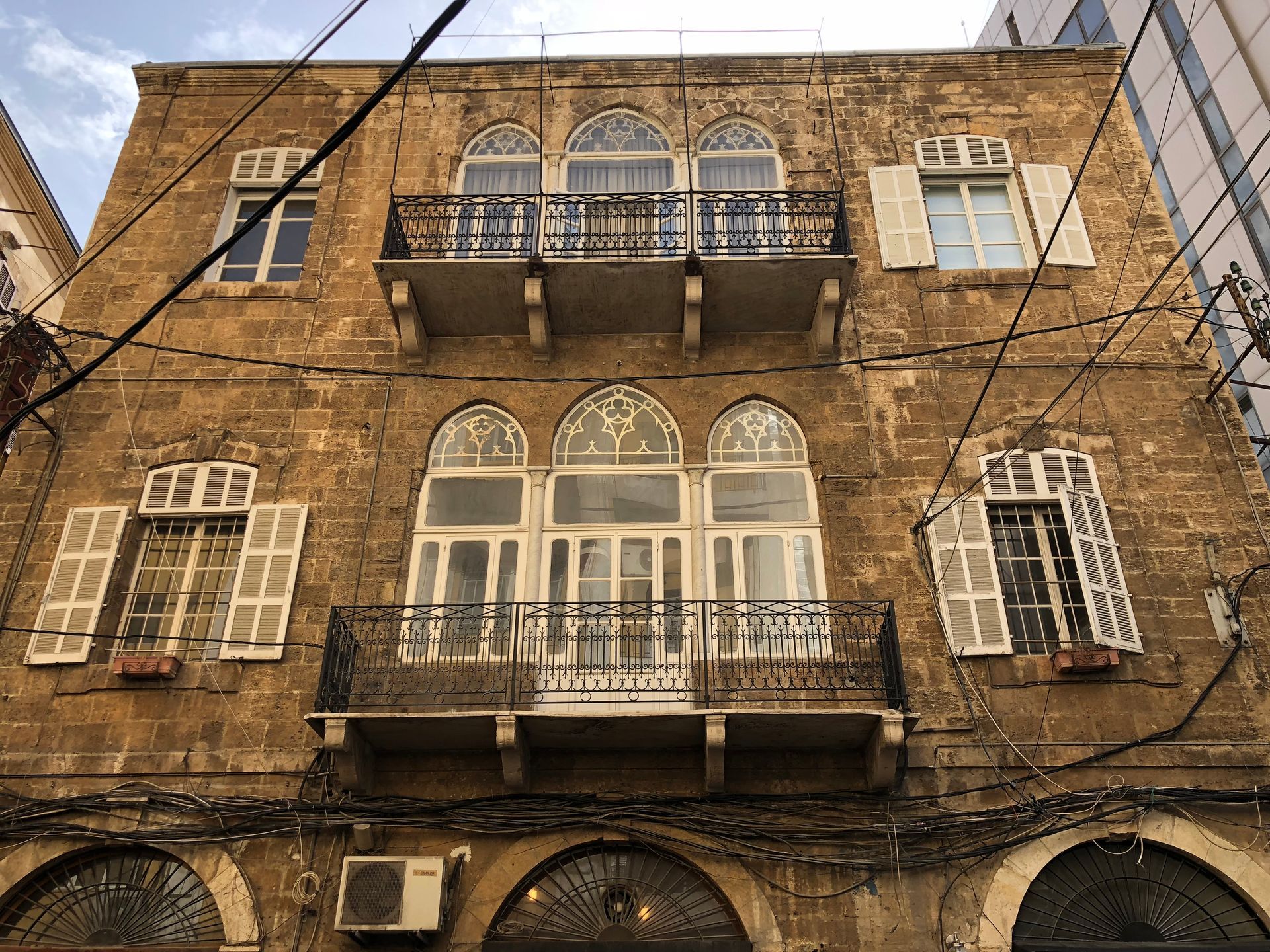
It follows the restoration of the Gholam Cluster and the Blue House, among other heritage structures, and centers on a damaged piano discovered inside a ruined three-story building. The piano becomes the film’s central visual, musical, and emotional symbol. As several pianists attempt to play the wounded instrument during the restoration process, it comes to represent Beirut’s journey from destruction and silence toward memory, sound, healing, and revival.
The screening is, in itself, a poignant act of reassembling the fragments of the city. By bringing together dance, poetry, and spoken word with the film’s imagery and music, the production creates an interdisciplinary experience that explores memory, identity, and cultural heritage through cinema, music, and movement. At its center, the piano connects these elements and transforms the work into an engaging artistic experience that is both educational and emotionally resonant.
## Synopsis
IT WAS THE END OF THE WORLD AS WE KNEW IT
ON AUGUST 4, 2020, IN BEIRUT.
At 4 p.m., I left a lunch meeting in Baabda for a business appointment in Gemmayze/Mar Mikhael. At the entrance to the building, I overheard an angry driver telling the concierge that a demonstration was blocking the road and that the 20-minute journey from Électricité du Liban had taken him two hours. I postponed my meeting and headed home to the hills.
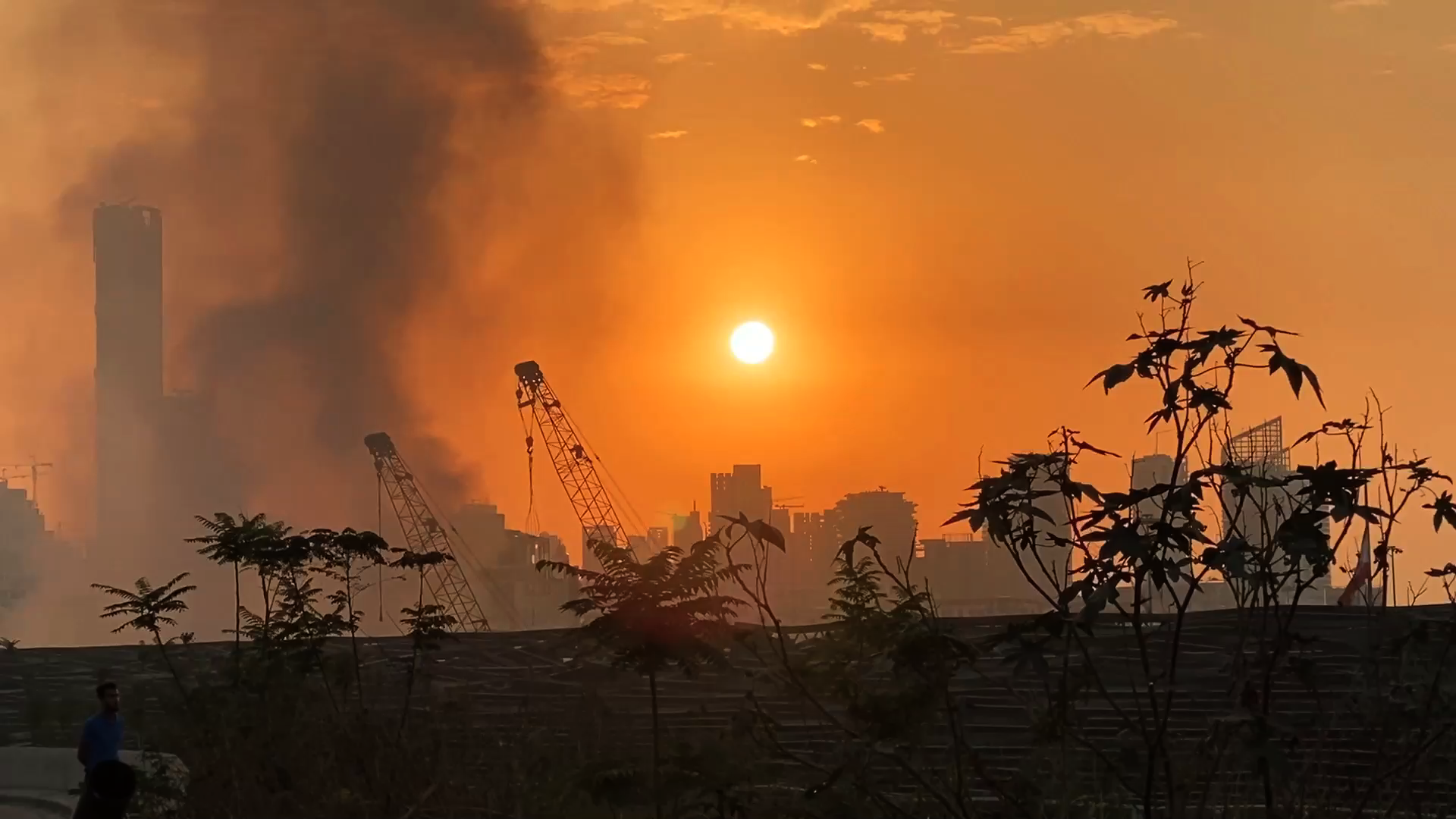
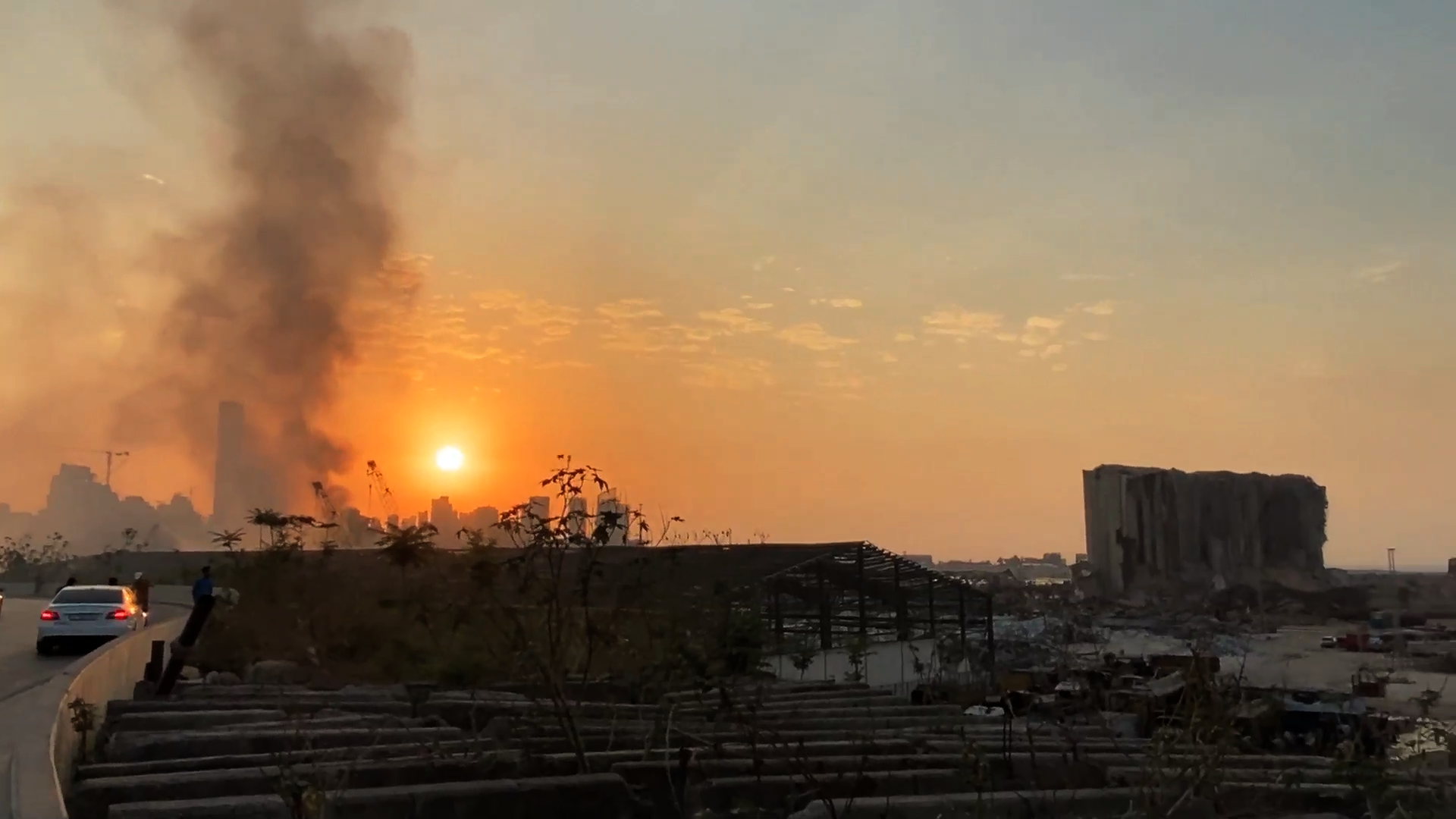
Two hours later, while smoking a cigarette on my balcony, I saw, as if in a movie, a huge mushroom cloud, followed by an invisible blast—made visible for a moment—that swept through the city. I felt it in my stomach like a violent gust of wind, and only then did I hear it: a frightening noise, like the end of a world collapsing.
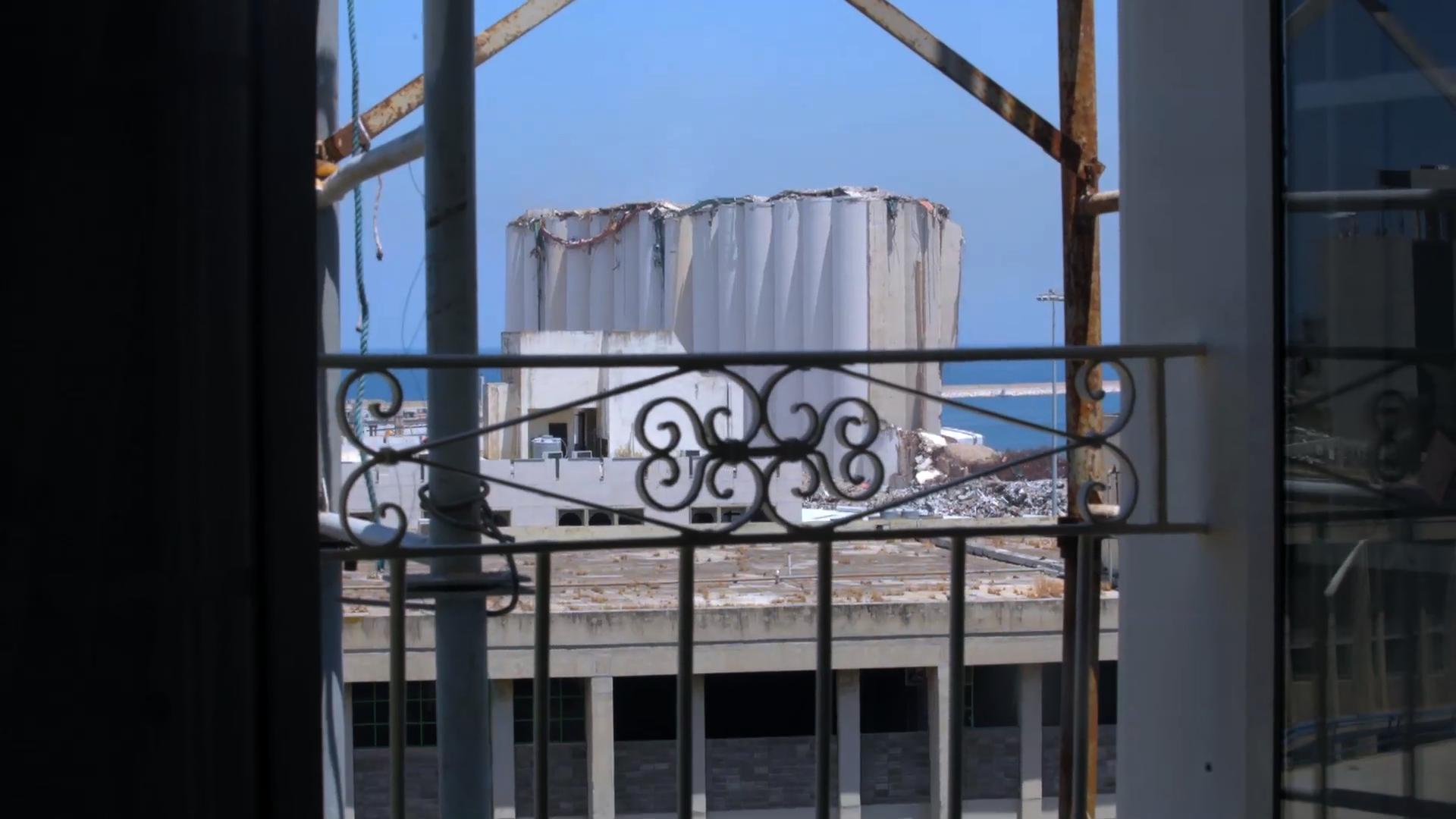
The explosion devastated Beirut’s historic neighborhoods, destroyed hundreds of heritage buildings, displaced residents, and left a wounded population facing silence and the absence of an adequate government response.
Here, when glass breaks, we say, “Nkassar el charr”—“the evil has broken.”
I hoped it had broken for good that day.
In the days that followed, young volunteers descended into the streets with brooms in hand. Architects, engineers, artisans, restorers, builders, and NGOs mobilized to repair homes, restore heritage buildings, and protect Beirut’s social fabric. Amid the rubble, I encountered an extraordinary surge of empathy and decided to stay and document the solidarity of the Lebanese people in their darkest hours.
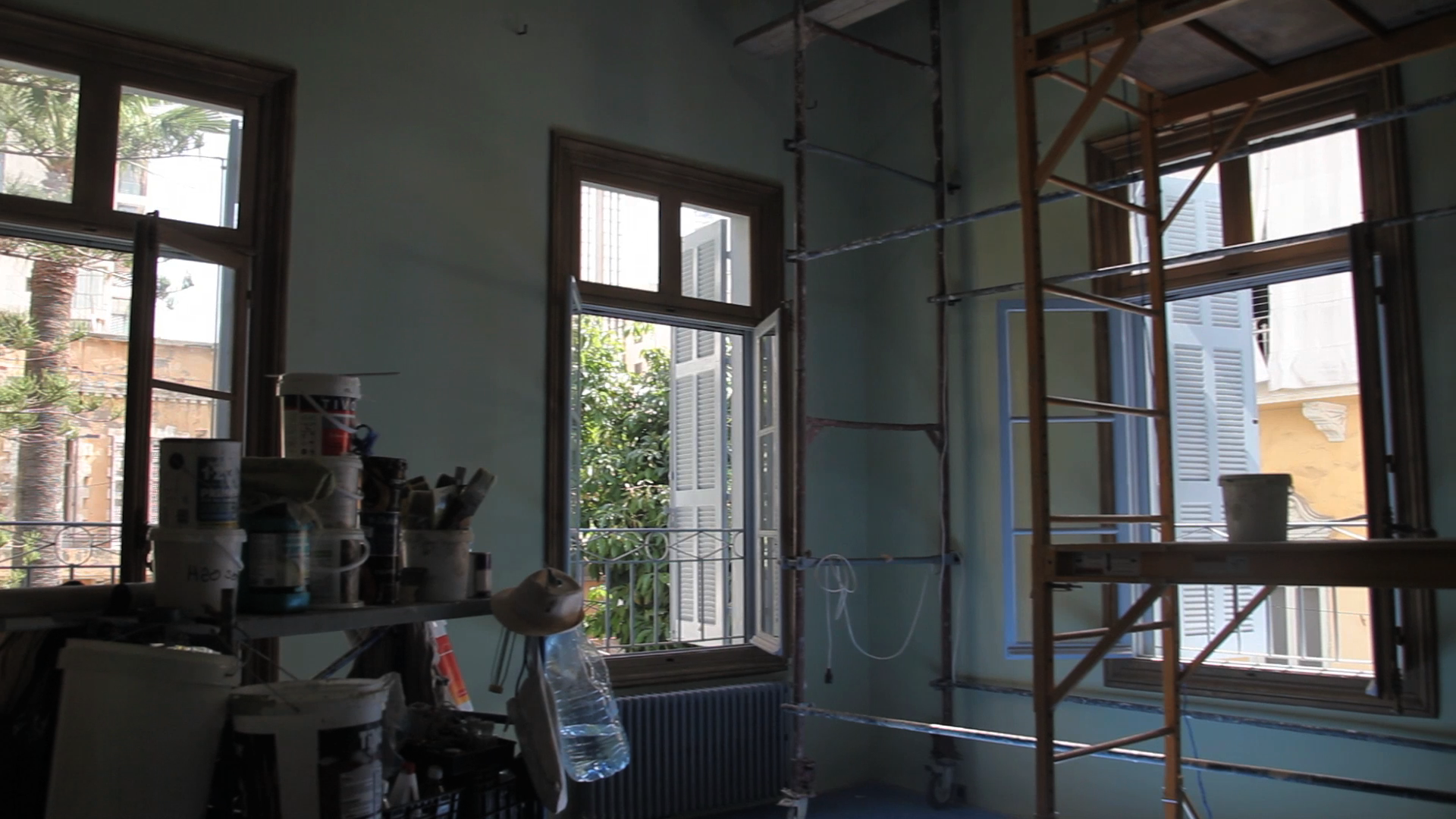
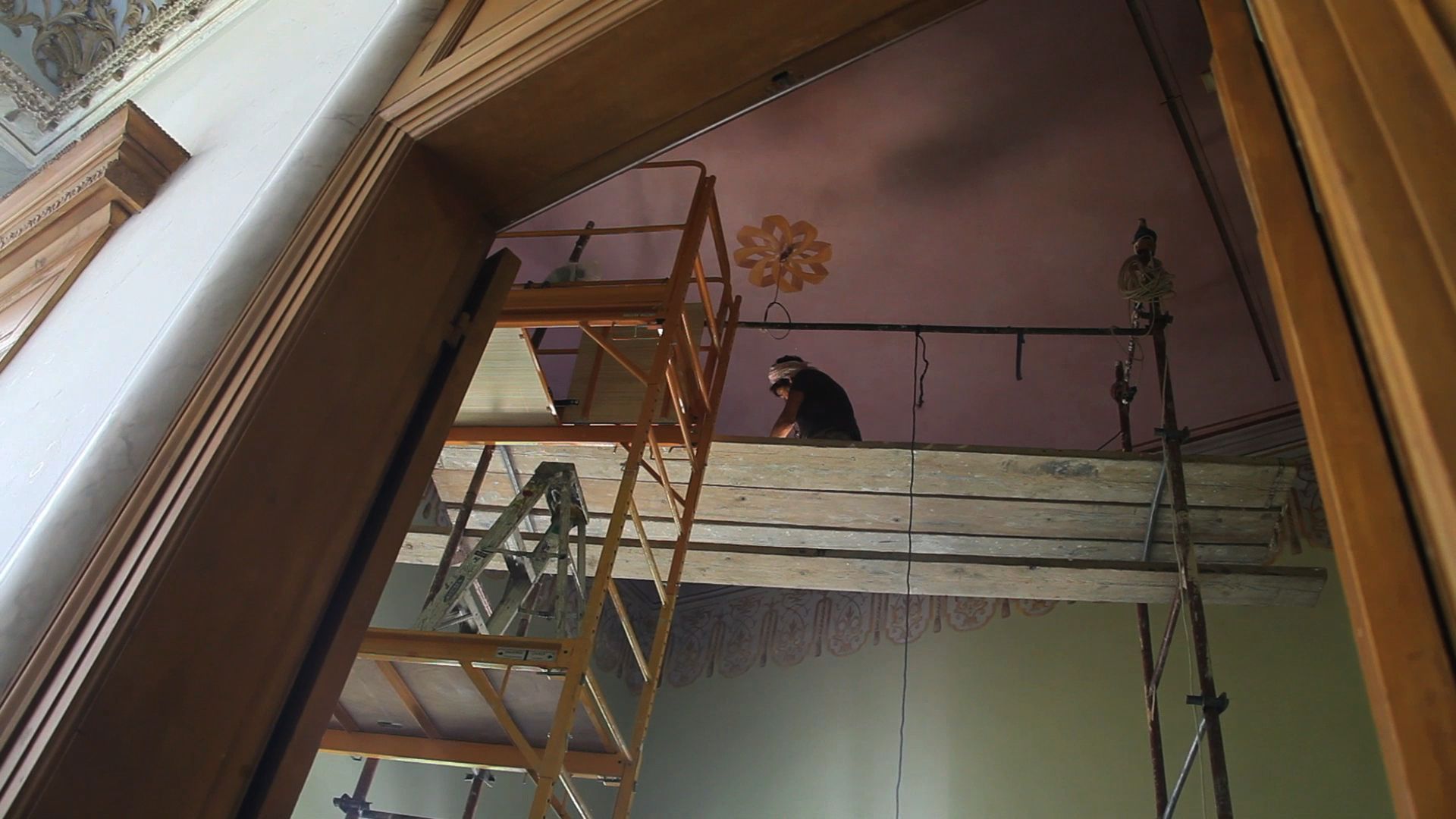
The urgency to bear witness plunged me into 14 months of construction sites amid the rubble of a wounded city. I followed the restoration of historic buildings and the return of families to their homes, filming a beehive of artisans, woodcarvers, ironworkers, architects, and engineers working with their bare hands and remarkable knowledge of cultural heritage.
Then, amid the ruins of a three-story house, a piano still stood.
Several pianists came to play the wounded instrument, each trying to discover what it still had to say. As the neighborhood was restored, the piano slowly returned to life and became the film’s central visual, musical, and emotional thread.
Through the perspective of this survivor, Echoes of a City’s Forgotten Heritage… in C Minor follows Beirut’s passage from destruction and silence toward memory, sound, healing, and revival.
Once silenced, the piano speaks again, carrying the silence of destruction into harmonious, healing music.
After the Beirut Port explosion devastated the city’s historic neighborhoods and destroyed hundreds of heritage buildings, there was no adequate response from government officials. I found hope in the spontaneous mobilization of architects who organized themselves to restore the homes and neighborhoods closest to the port.
Working alongside artisans, carpenters, engineers, restorers, and foremen, they raised funds, coordinated efforts, and supervised the rehabilitation of entire clusters in order to preserve Beirut’s architectural heritage, neighborhood communities, and social fabric.
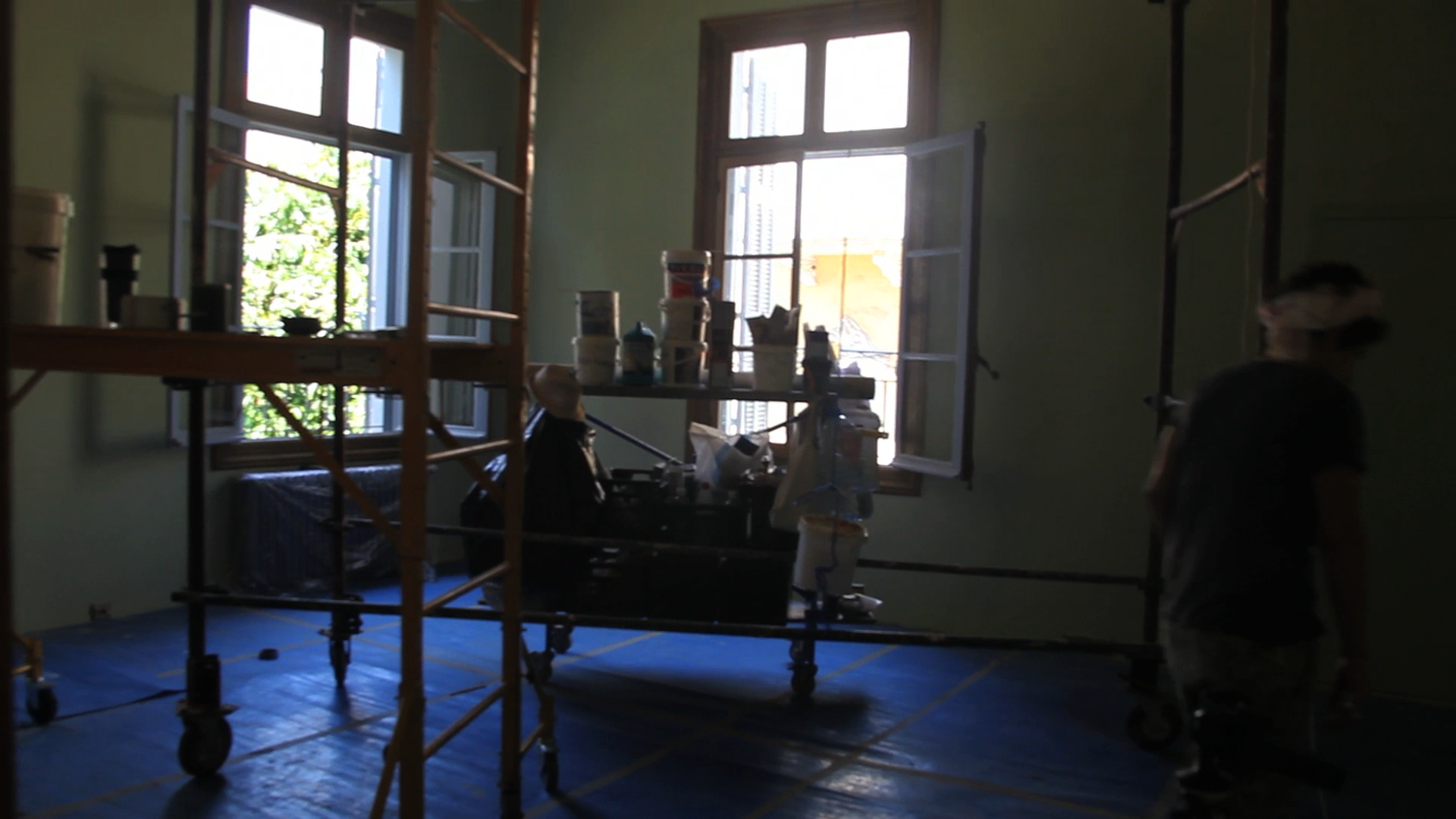
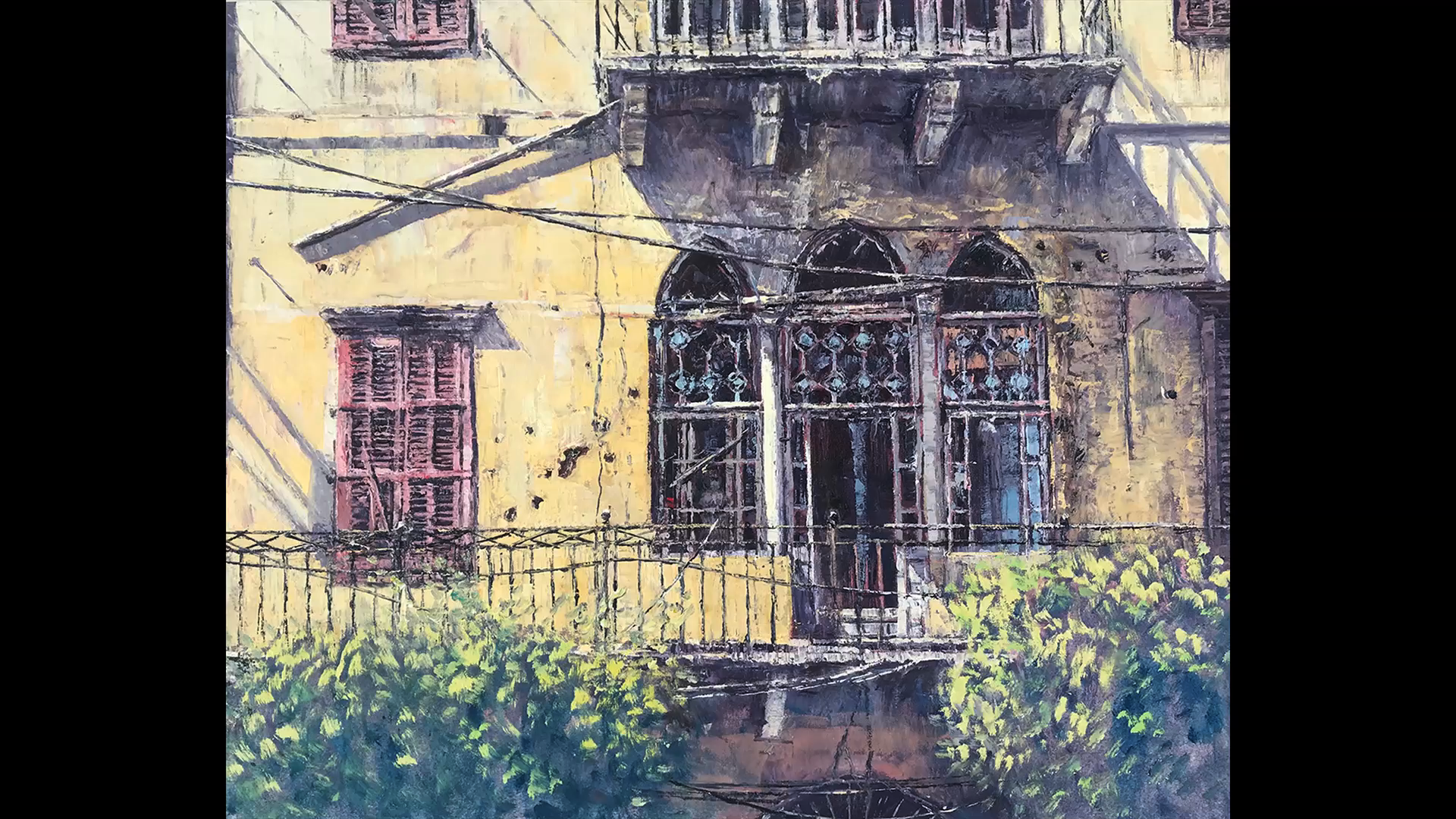
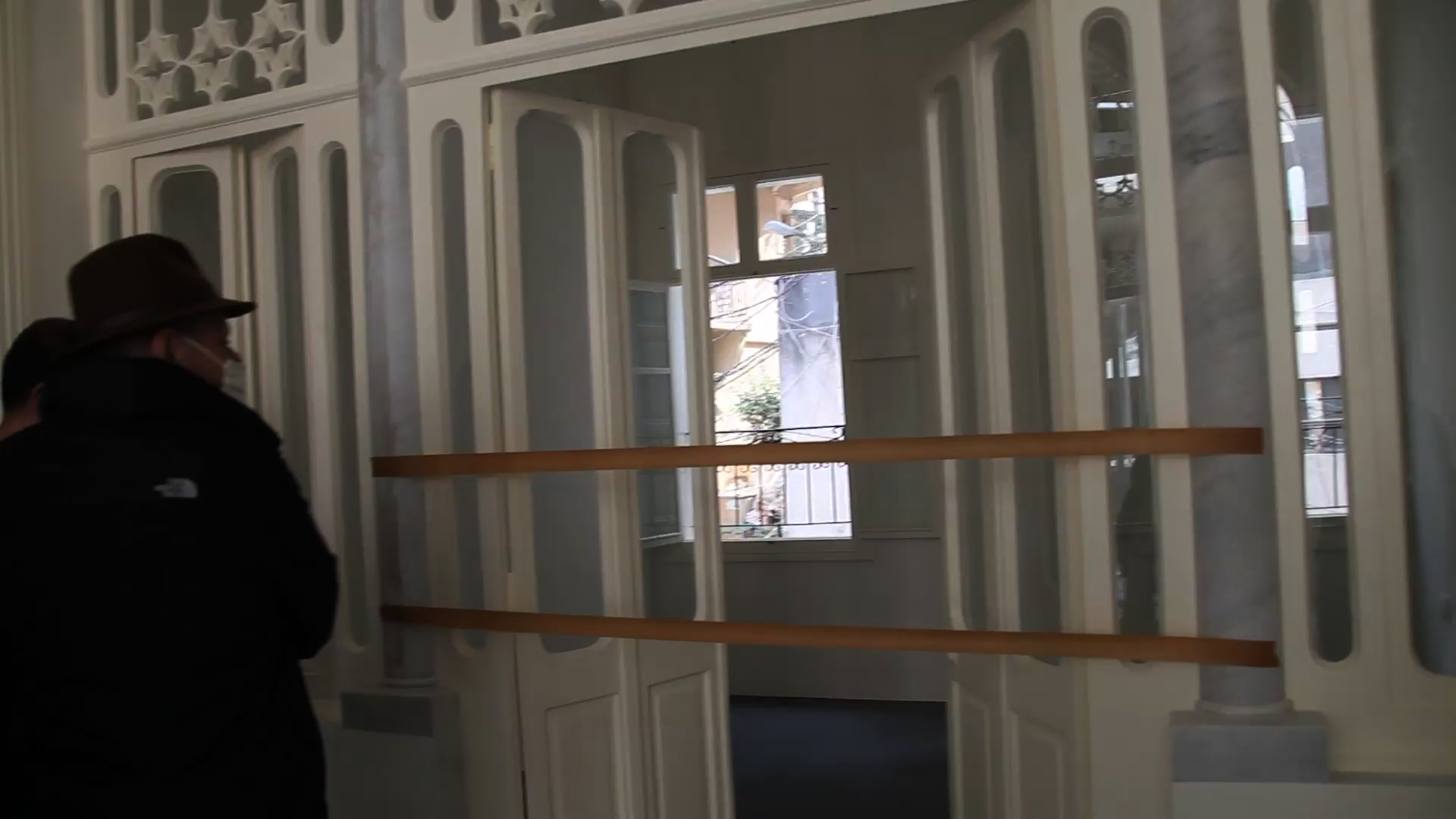
Buildings reduced to shattered memories were brought back to life. Their colors returned, residents came home, and the spirit of the community slowly reemerged.
Amid the ruins of a devastated three-story house, I found a single survivor: a piano.
The film taking shape was no longer only about rebuilding and preserving architectural heritage. The wounded piano opened another path through the story. As one pianist after another attempted to play it, the instrument became a witness to destruction, a keeper of memory, and a symbol of transformation.
My camera took me to the heart of human suffering without placing it directly on display. Instead, I focused on the gestures of solidarity, the intensity of the exchanges, the power of the silences, and the hopeful melodies emerging from the ashes.
The film was made in the heat of the moment and in a spirit of generosity, driven by an irrepressible need to tell a story that carried me beyond the sadness of reality, with the hope of carrying others along in turn.
The film follows the aftermath of the explosion through restoration and revival, revealing what it takes for civilians to survive a disaster of this magnitude without meaningful state intervention.
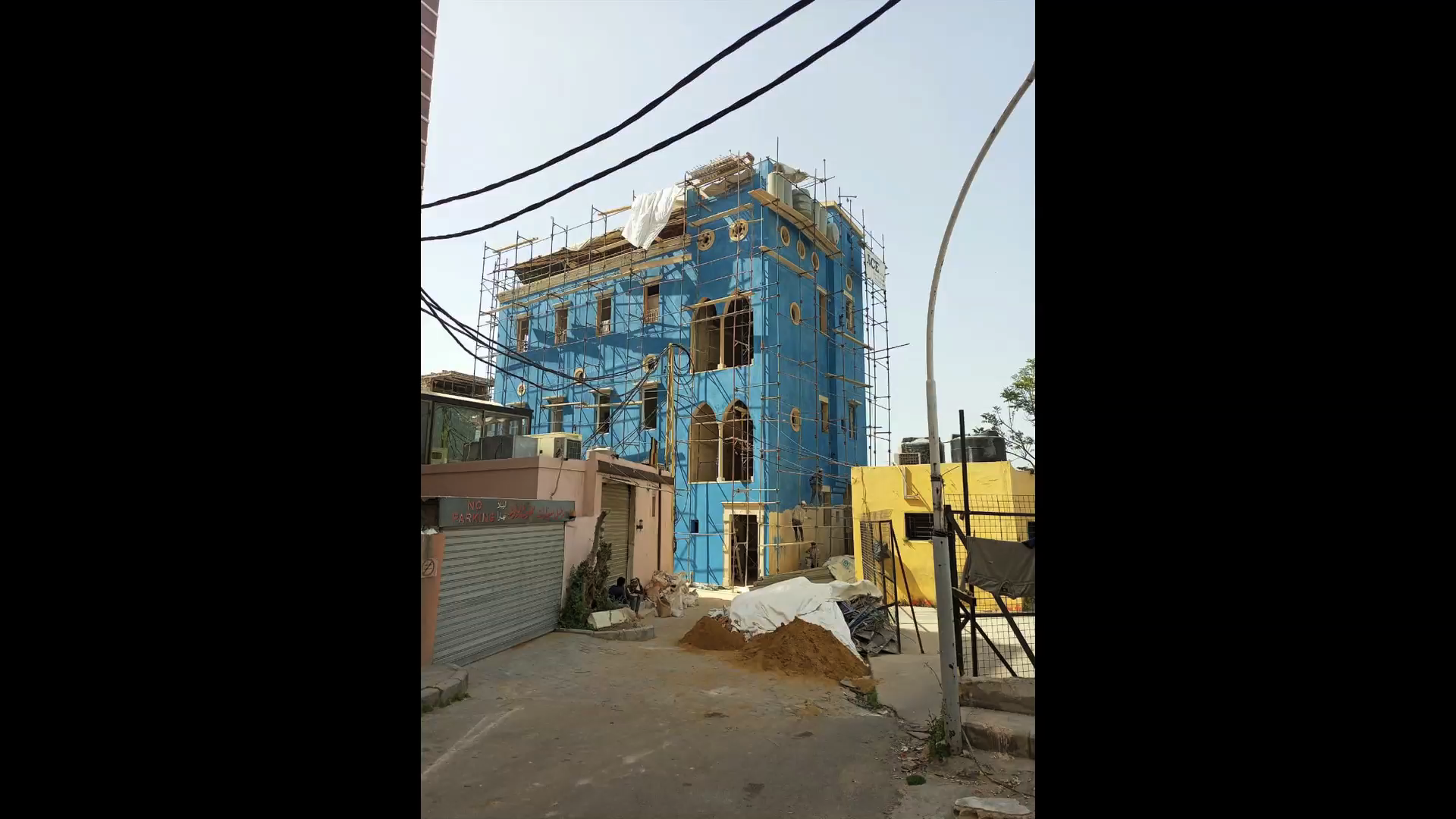
Its structure follows the rehabilitation of the Gholam Cluster and the Blue House by the Beirut Heritage Initiative, alongside other efforts to preserve the buildings that form the face and visual identity of Beirut. The restoration work unfolds through interviews with the architects, engineers, artisans, volunteers, residents, and cultural practitioners behind this humanitarian effort.
The wounded piano provides the film’s musical and emotional thread. Discovered inside a ruined three-story building, it is approached by several local pianists, each attempting to play what remains of the instrument and discover what it still has to say. Their unedited performances accompany the restoration process and guide the film’s progression.
The architectural restoration and the piano’s story unfold in parallel: buildings are repaired, colors return, families come home, and a silenced instrument slowly regains its voice.
Through a mise-en-scène of light, music, poetry, interviews, archival material, and spoken word, the film revives the memory embedded in the city’s architecture. It celebrates Lebanon’s cultural heritage while addressing the country’s fragmented memory through cinema, music, and movement.
The structure of the film also shapes the multimedia stage performance. The documentary screening is accompanied by live piano, vocal music, and dance. The dancers move in and out of the projected narrative, creating a temporal thread at the center of the story.
Together, these elements transform the work into a testament to what can happen when people stand together in solidarity, imagine creative solutions, and act as guardians of their heritage and the memories held within its stones.
Arabic with English subtitles.
🕓 Approximately 90 minutes
No break
Soula Saad is a Lebanese artist, filmmaker, producer, and cultural practitioner with a track record of producing work that engages with cultural and historical themes. She is the founder and director of Nota Bene Production, an event and film production house based in Baabda that produces documentaries about our stories, told by us. She is also the founder of the Féminitude co-creativity platform, which organizes cultural and creative events highlighting feminine artistic expression.
An award-winning writer, director, and producer, Soula Saad learned filmmaking while working with Jeanne Moreau’s Équinoxe. She went on to direct and produce feature documentaries, hundreds of world music film capsules, and women’s portrait capsules in which story and music are delicately intertwined, while representing Équinoxe in the United States.
Her first film, A Musical Mézzé, is a story of reconciliation with Lebanon, her home country, which she left as a teenager during the Syrian military occupation.
Her second feature documentary, Beirut Rising, chronicles the spontaneous people’s movement that led to liberation from the Syrian military occupation in 2005. The film won the Best Documentary Award at the Women’s International Film & Television Visionary Awards in Hollywood in 2010.
She is the co-founder of DreamAgo, a nonprofit organization dedicated to screenplay development through cultural exchange, and the co-founder of World Memory Theatre, which brought together her passion for world music and educational documentaries.
She has directed five educational films on trauma and resilience models for the Trauma Resource Institute, as well as several short films for HWH—Healing the Wounds of Our History.
She is currently preparing a film series on the feminine voice of the planet.
The first of these films, ELEELÉ — The Unheard Feminine Voice of the Middle East, won an Impact DOCS Award in Los Angeles in 2019 and was screened in Arezzo, Beirut, Montreal, Paris, Los Angeles, Bsous, Santa Monica, and Malibu in 2018 and 2019.
Since 2020, Soula has been based in Beirut, highlighting and documenting the inspiring civilian-led initiatives that emerged following the 2020 port explosion.
Filmography
- A Musical Mezze / Soula Saad / 2002 / 52 min / Documentary
- Musical Earthways / Soula Saad / 2005 / 26 min / Documentary
- Summer by Surprise / Soula Saad / 2006 / 8 min / Documentary
- Beirut Rising / Soula Saad / 2008 / 97 min / Documentary
- Le Printemps de Beyrouth / Soula Saad / 2009 / 52 min / Documentary
- A Garden of Forgiveness / Soula Saad / 2011 / 7 min / Documentary
- Trauma & Resilience / Soula Saad / 2013–2015 / 5 × 20 min / Documentary
- ELEELÉ: Unheard Feminine Voice / Soula Saad / 2015–2018 / 110 min / Documentary
- It Takes a Lot of Hands: Healing Beirut / Soula Saad / 2020–2025 / 88 min / Documentary
- Féminitude: Feminine Voice of the Planet / Soula Saad / 2019–Present / 110 min / Documentary
- Beirut–Machu Picchu: A Sound Journey from Sound Pollution to Sacred Acoustics / In post-production / 2026
- Beiruts: Lights of Revival / Film and series highlighting extraordinary private initiatives in the aftermath of the Beirut Port explosion, addressing: Extraordinary Impulse of Human Solidarity; Artistic Mobilization in Beirut: Year Zero; Restoration & Preservation of Heritage Buildings; Wounded Art; Staying, Leaving, or Returning?
FILM
Title
Echoes of a City’s Forgotten Heritage… in C Minor
Written, Directed, and Produced by
Soula Saad
A Film by
Nota Bene Production SARL
Original Music / Piano Soundtrack by
Anwar Bizri
With the Participation of
Beirut Heritage Initiative
STAGE PRODUCTION
Title
Echoes of a City’s Forgotten Heritage... in C Minor
Film Written, Directed, and Produced by
Soula Saad
Dance by
Shahd Kseibi
Performed by
Shahd Kseibi
Live Piano
Anwar Bizri
Vocals
Fadia El Hage
Anwar Bizri
Frida
& Guests
Stage and Dance Production by
Nota Bene Production SARL
Sound Design and Live Sound
Anwar Bizri / Marwan Tohme
PRODUCTION
Production Period
2020–2026
Production Country
Lebanon
Filming Location
Beirut, Lebanon
Production Company
Nota Bene Production SARL
Baabda, Lebanon
RC 2044683
MOF 3179199
SUPPORT & PRESENTATION
Co-Funded by
The European Union
With the Support of
Samir Kassir Foundation
Presented at
Beirut Spring Festival 2026
Copyright
© 2026 Nota Bene Production SARL. All rights reserved.
Beit El Fann / Azm Cultural Center
Indoors venue
Capacity: 200 seats
Phone Number: +961.3.387.714
Parking available for free / street parking / parking available for a fee