FILM – PHOTOGRAPHY EXHIBITION
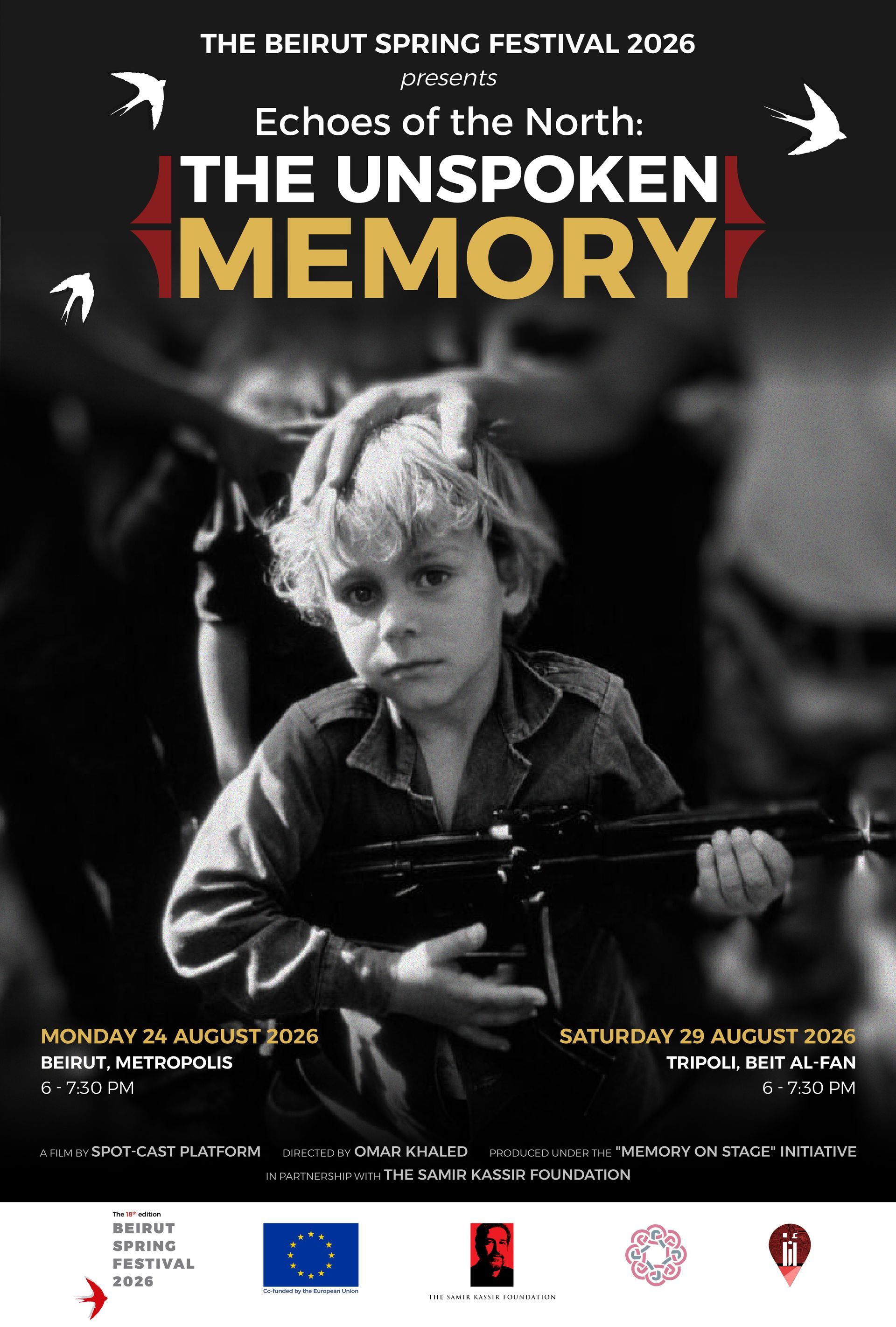
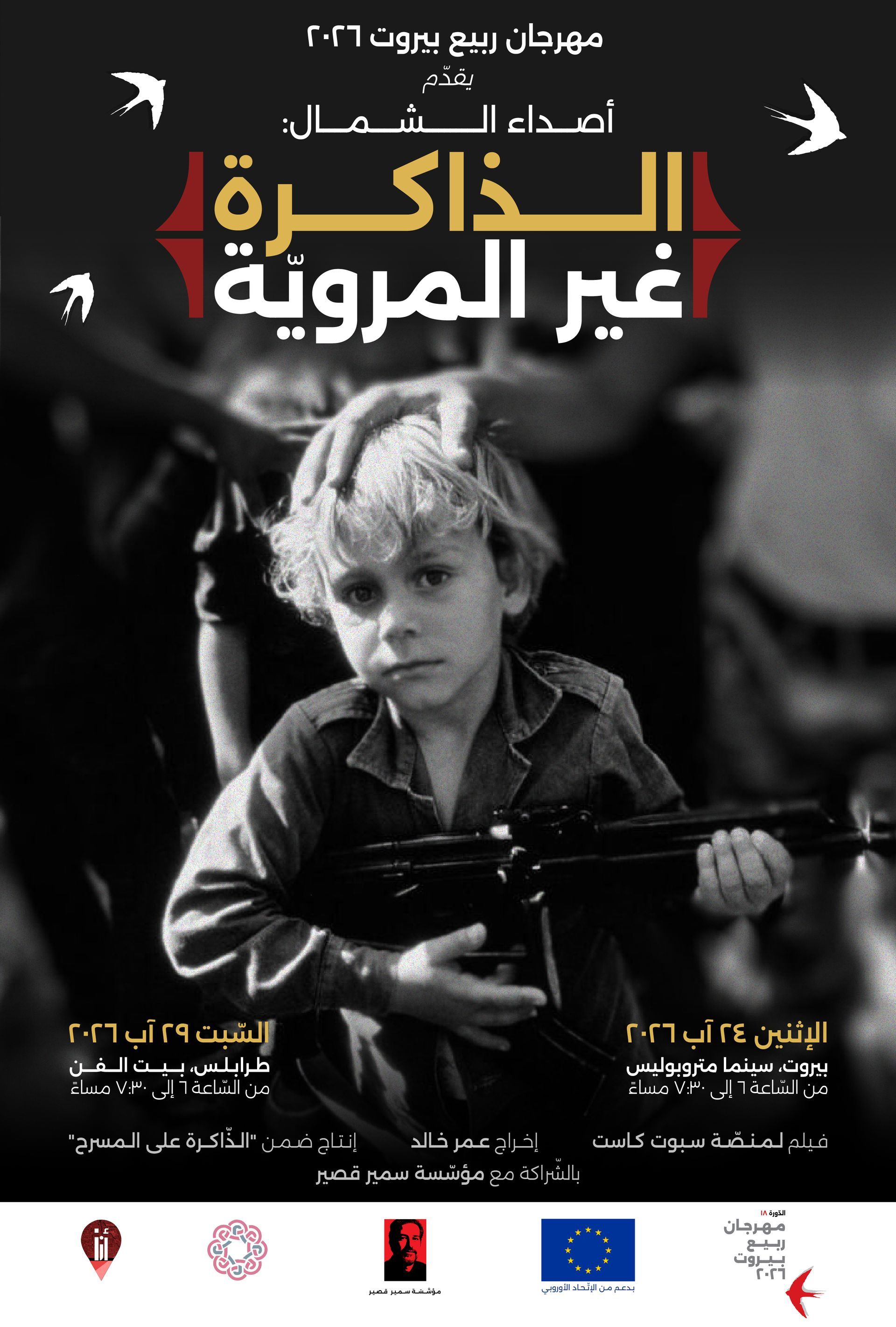
ECHOES OF THE NORTH: THE UNSPOKEN MEMORY
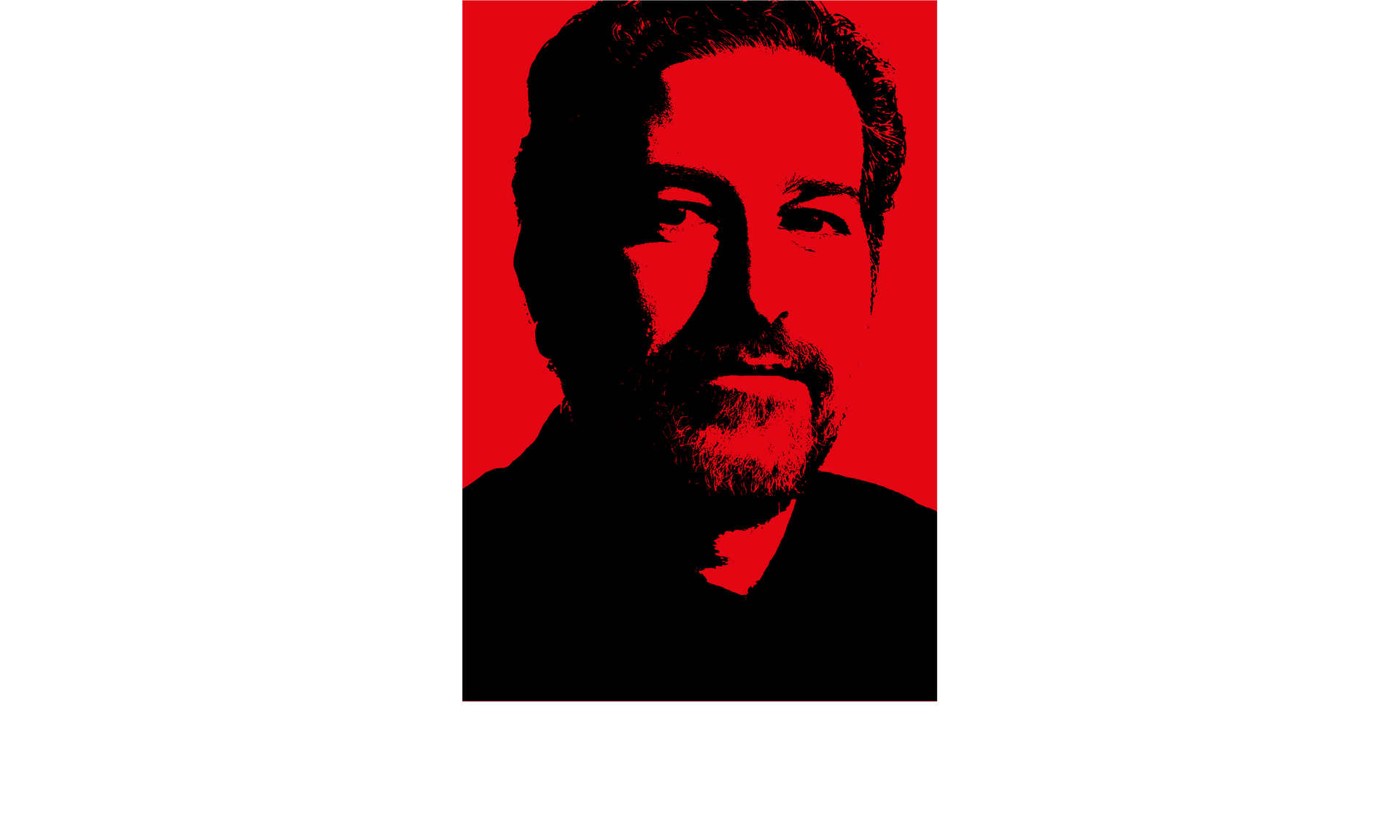
Omar Khaled
Lebanon / Creation 2026
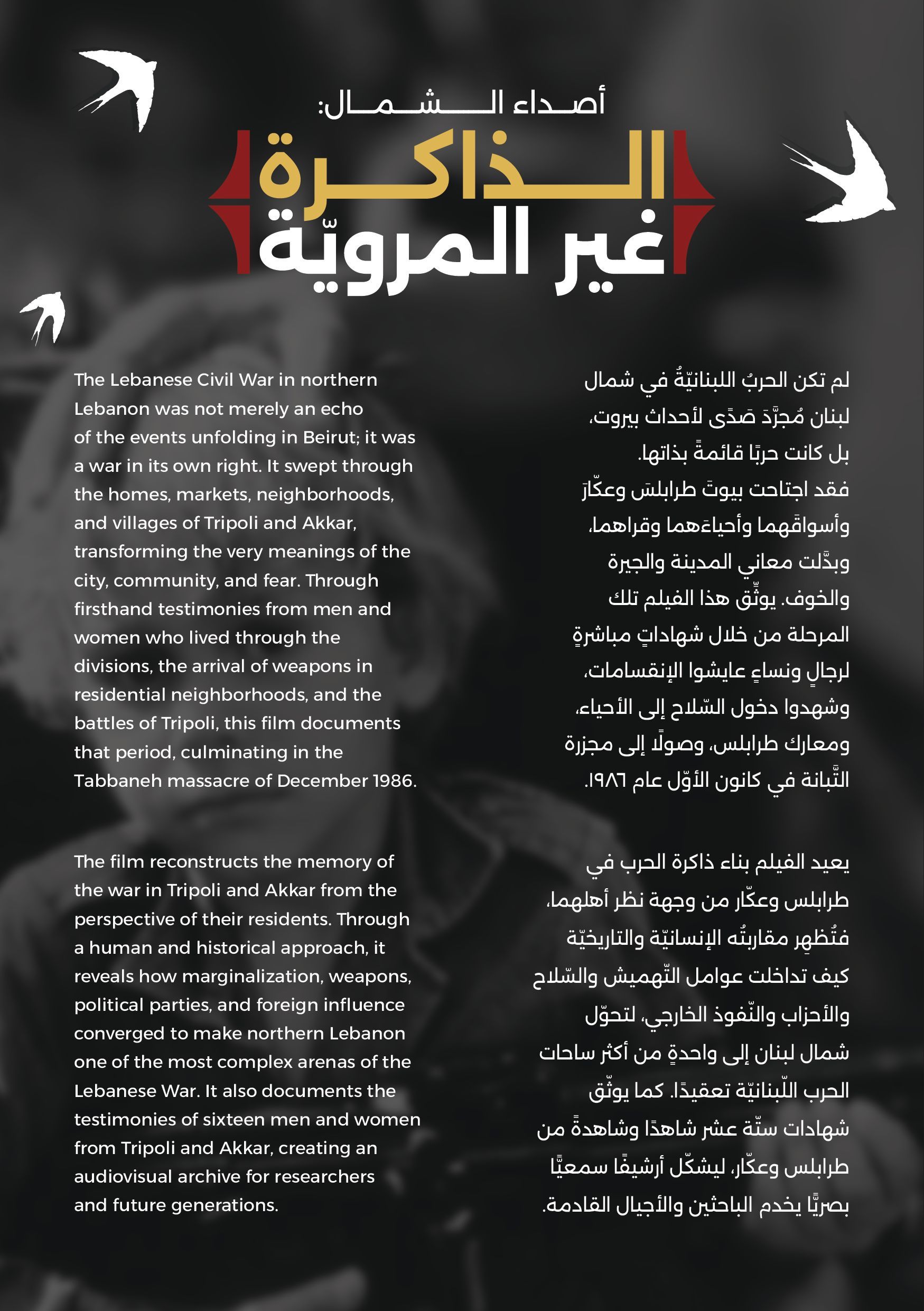
A documentary that reconstructs the collective memory of the Lebanese Civil War in Tripoli and Akkar between 1975 and 1986 through firsthand testimonies.
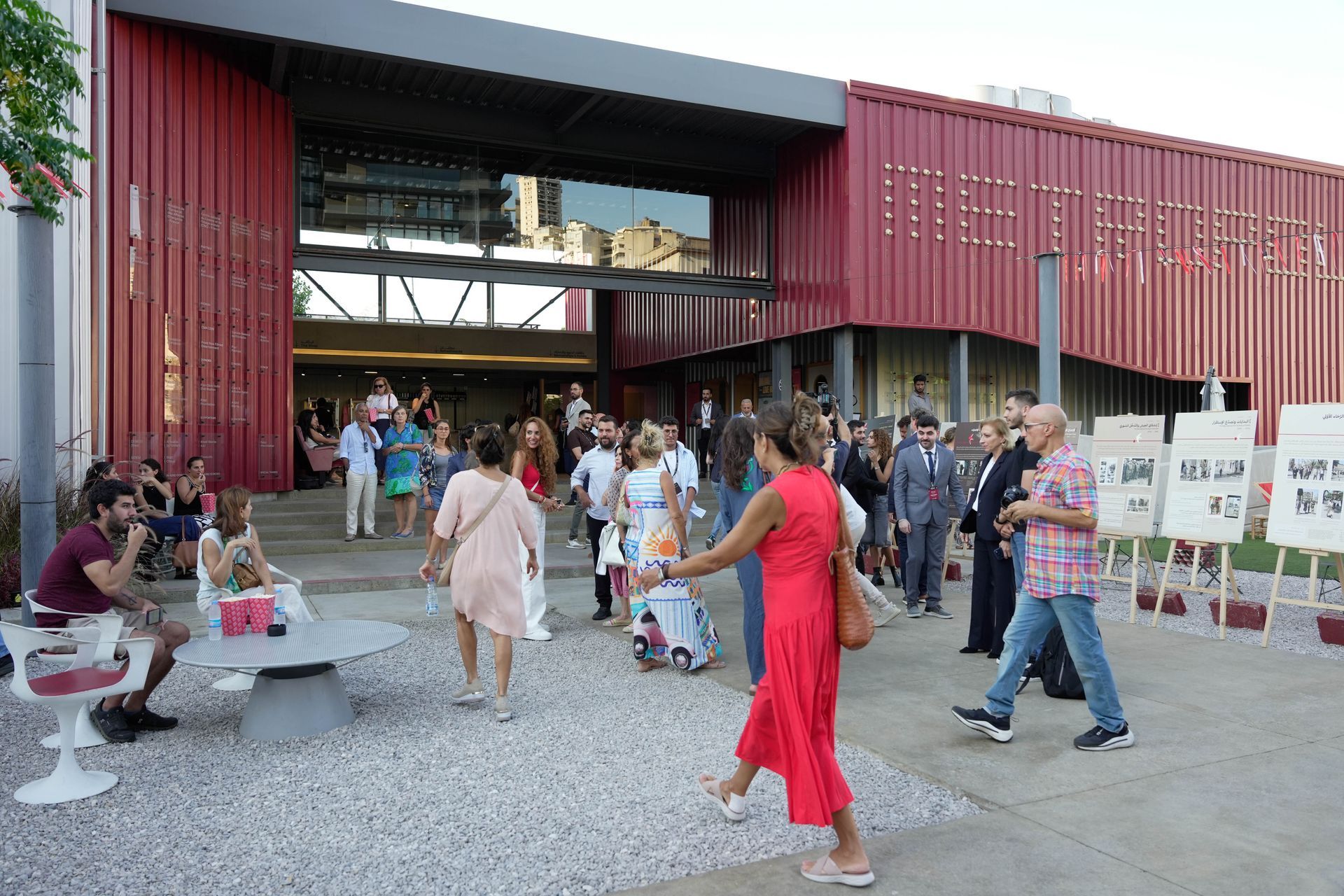
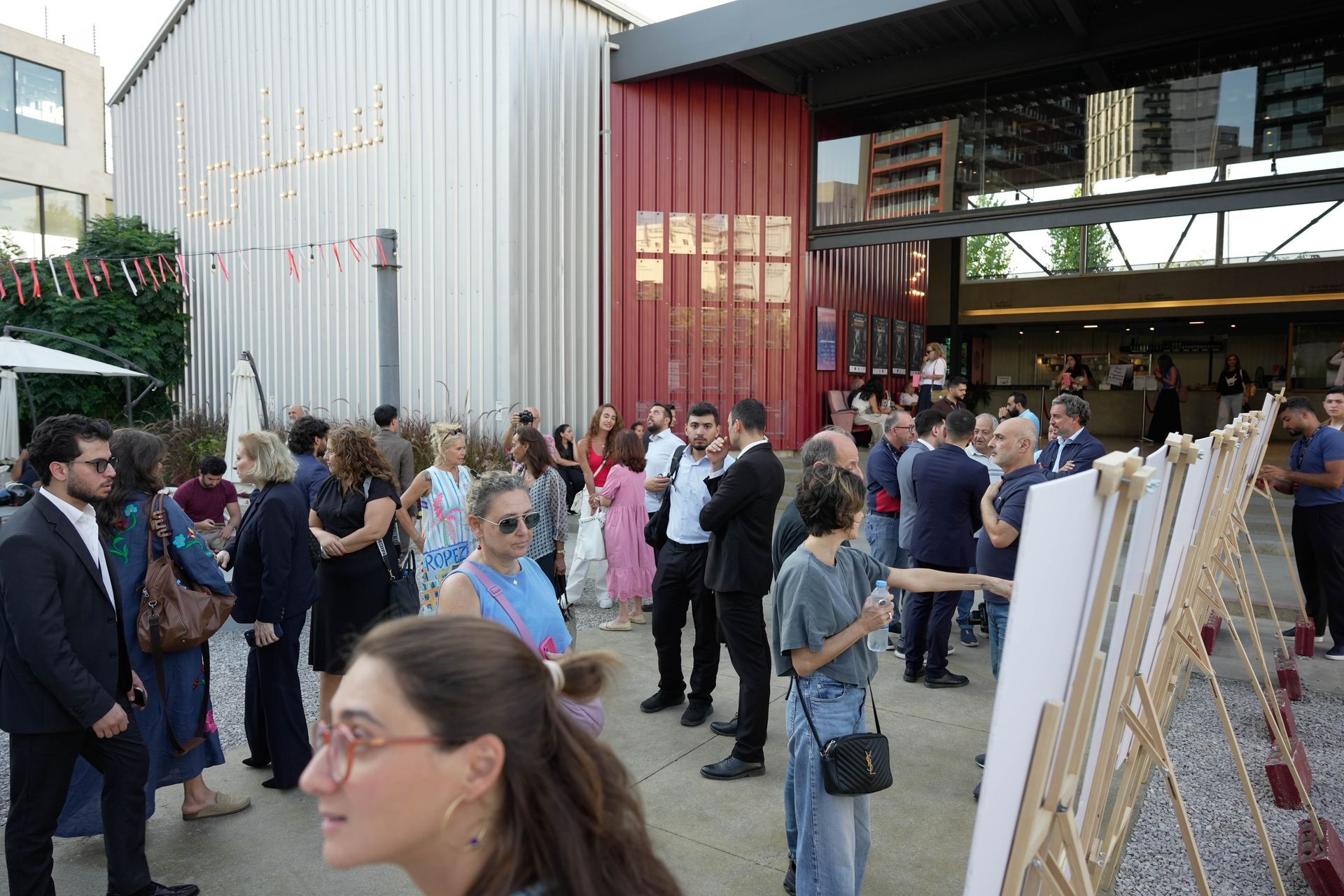
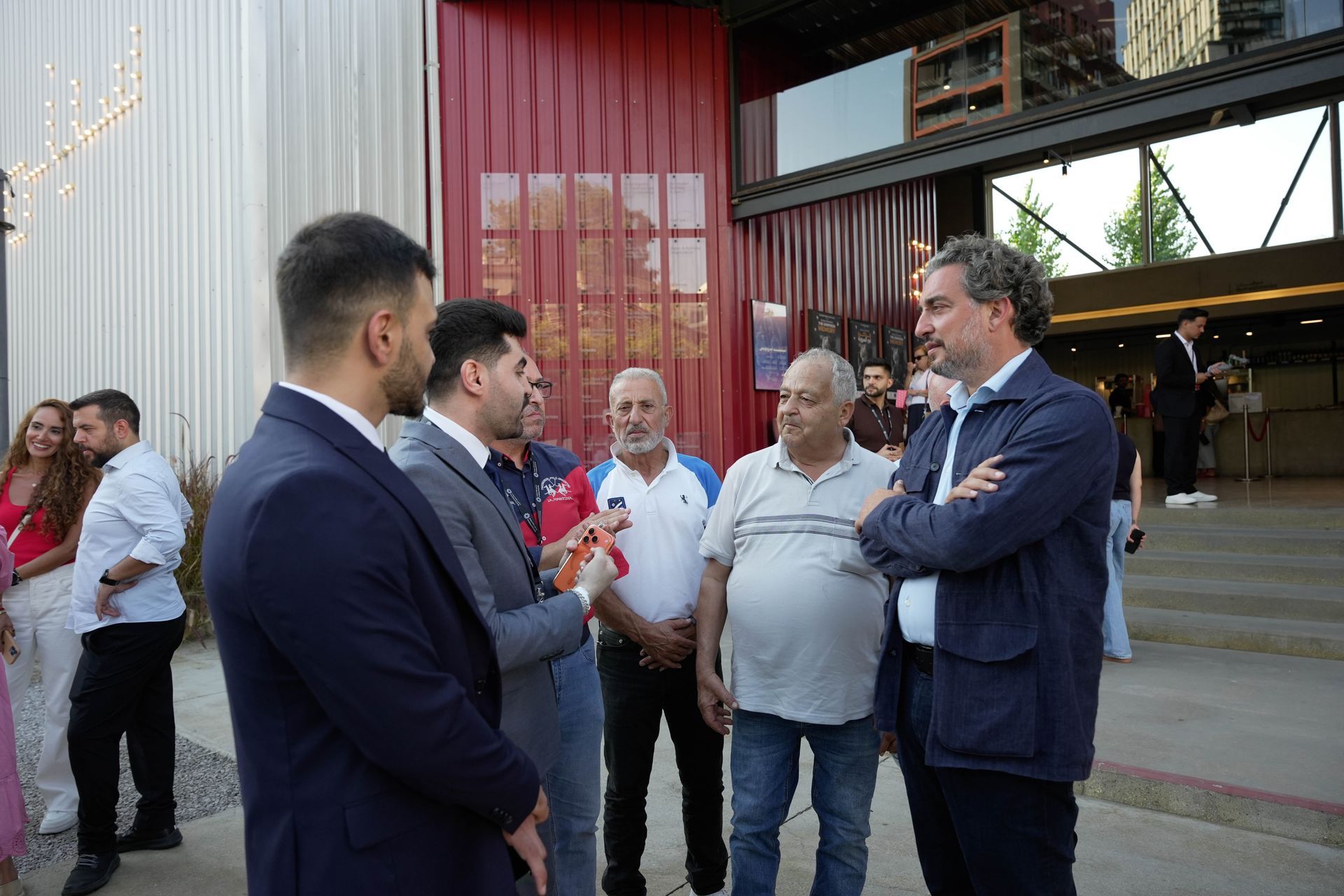
- Monday 24 August 2026, 6 pm, Metropolis Cinema Beirut
- Saturday 29 August 2026, 6 pm, Beit el Fann / Azm Cultural Center, Tripoli
“Echoes of the North” is a multimedia project that seeks to uncover, preserve, present, and highlight a critically understudied component of Lebanese collective memory: the largely undocumented experiences of the civil war and the period of Syrian presence in Northern Lebanon, particularly in Akkar.
Although the North was not a central battlefield during the 1975–1990 Lebanese Civil War, its communities experienced deeply consequential and rarely acknowledged forms of fear, control, and sociopolitical transformation, including displacement, security pressures, economic hardship, and various forms of domination that remain largely undocumented. This silence has produced a fragmented collective memory, particularly among younger generations who have limited access to first-person narratives. The project seeks to break this silence by combining documentary filmmaking, oral history, immersive exhibition design, and digital memory technologies.
Northern Lebanon and Akkar remain underrepresented in Lebanon’s national narratives of memory.
Echoes of the North is a multi-layered artistic intervention that brings together:
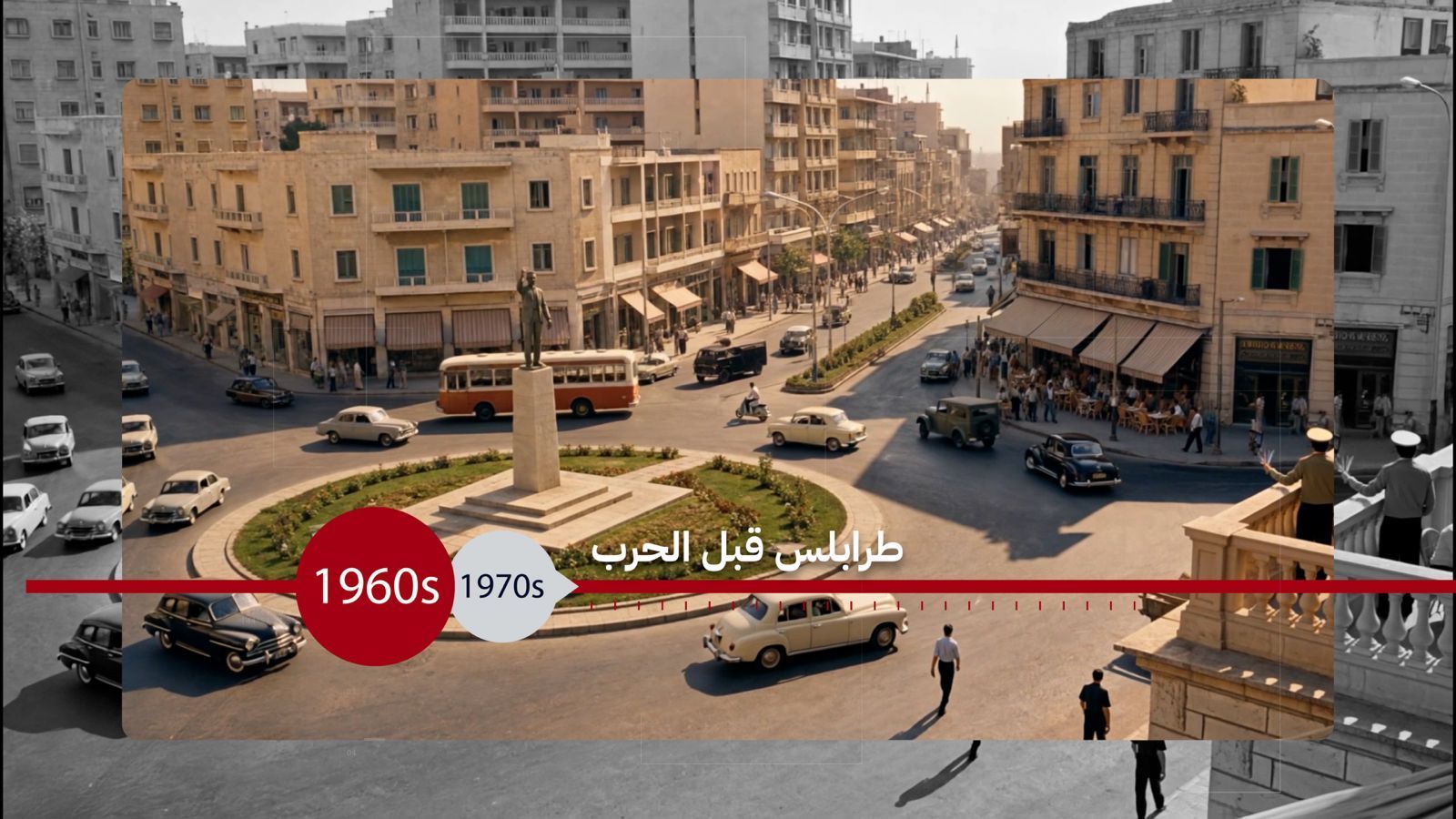
- A 60-minute documentary art film exploring hidden memories of the war and the Syrian presence in Northern Lebanon through personal testimonies, reenactments, and archival materials;
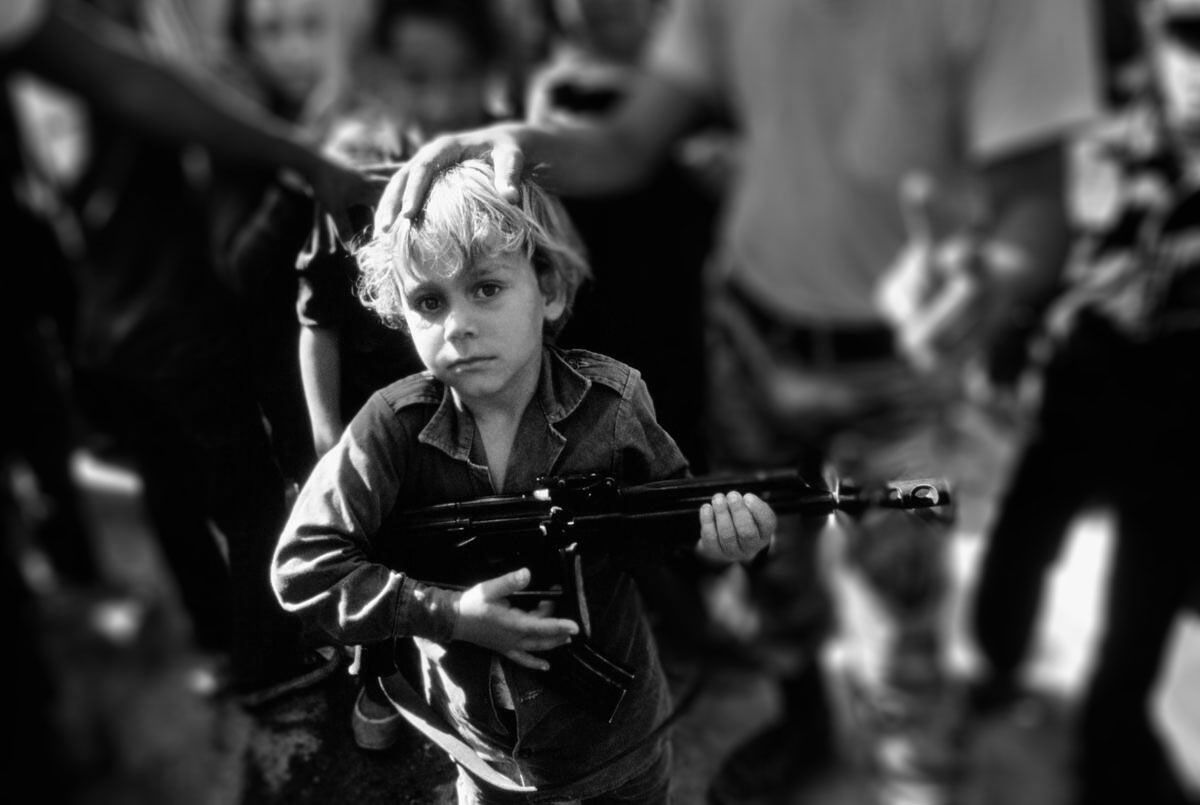
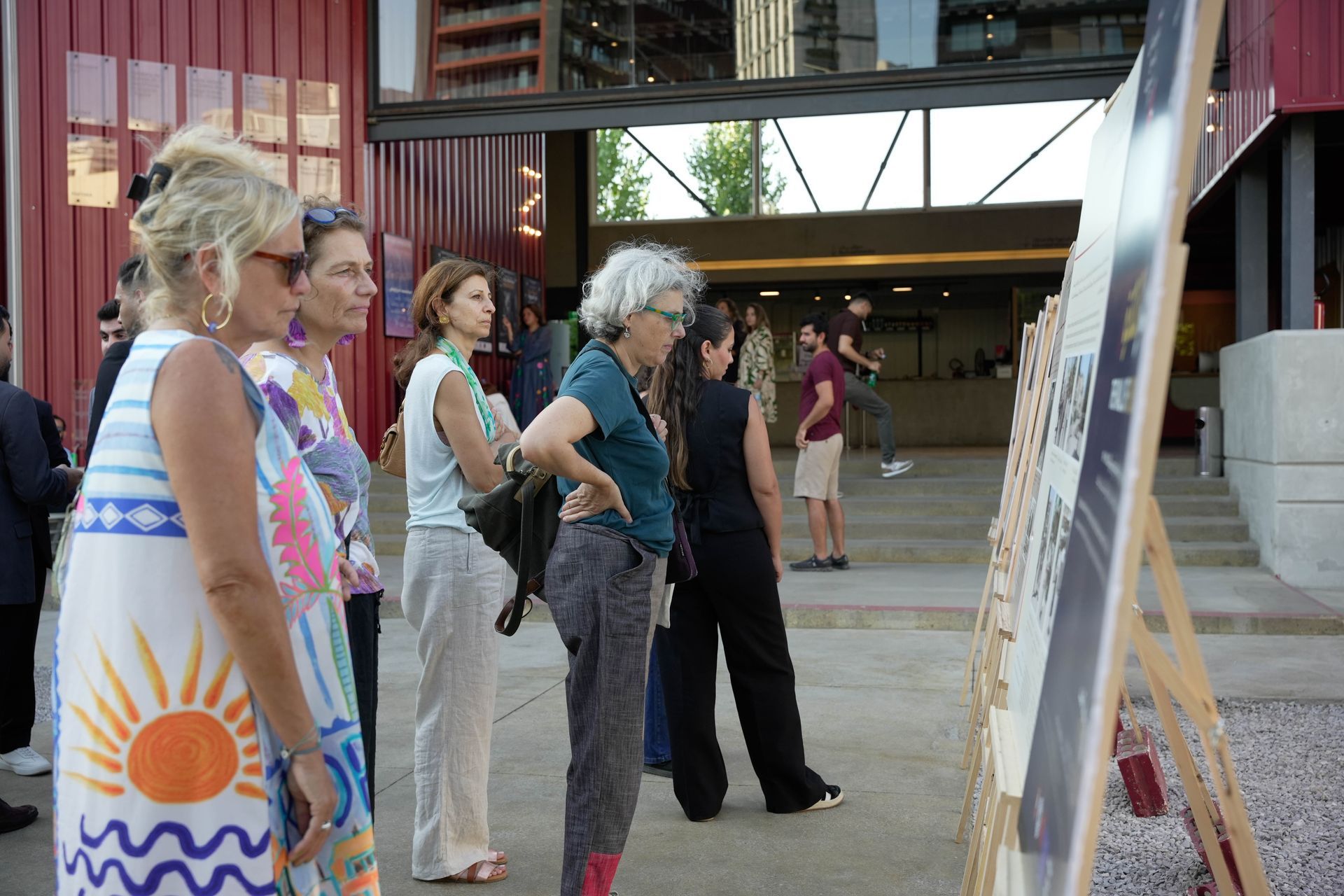
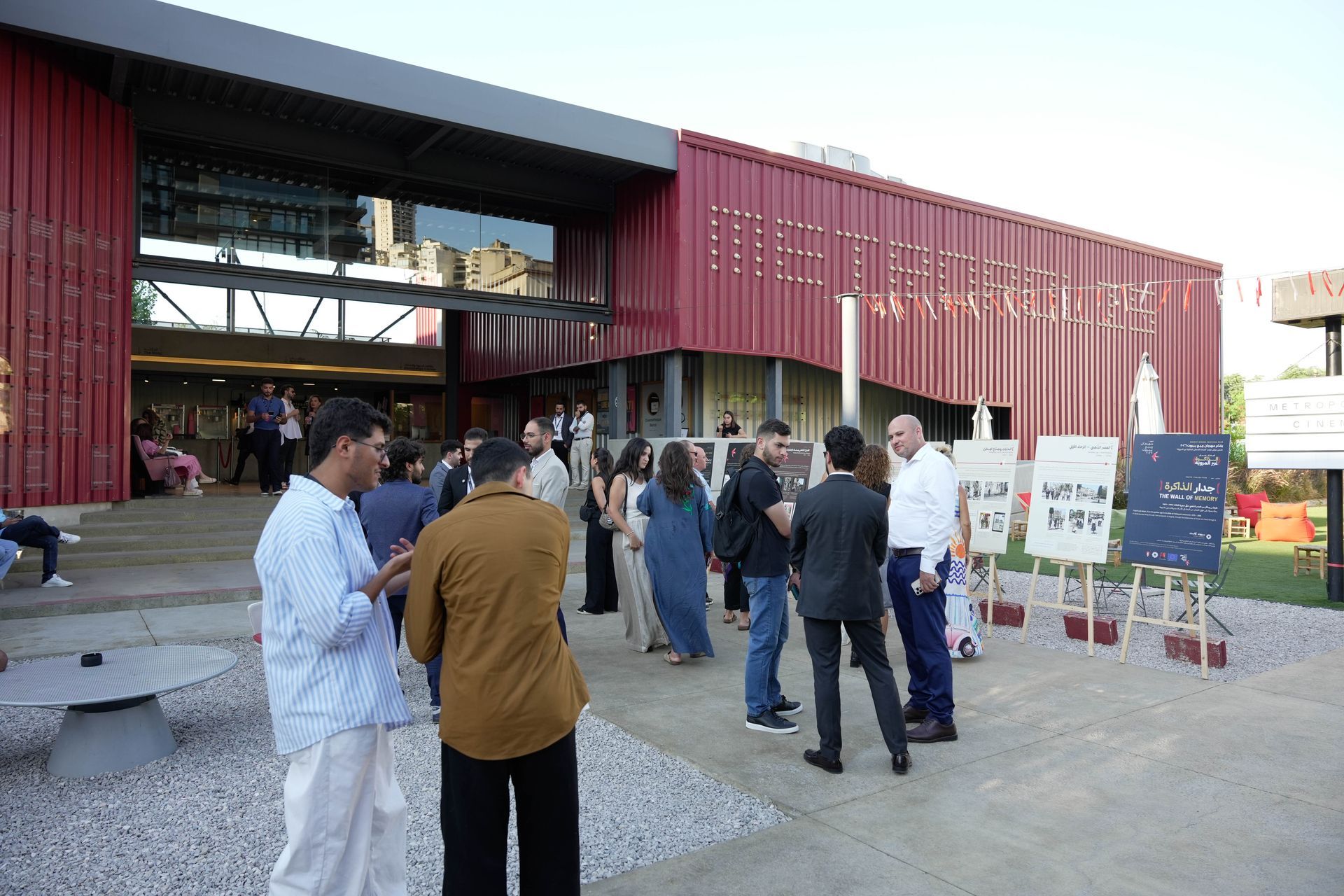
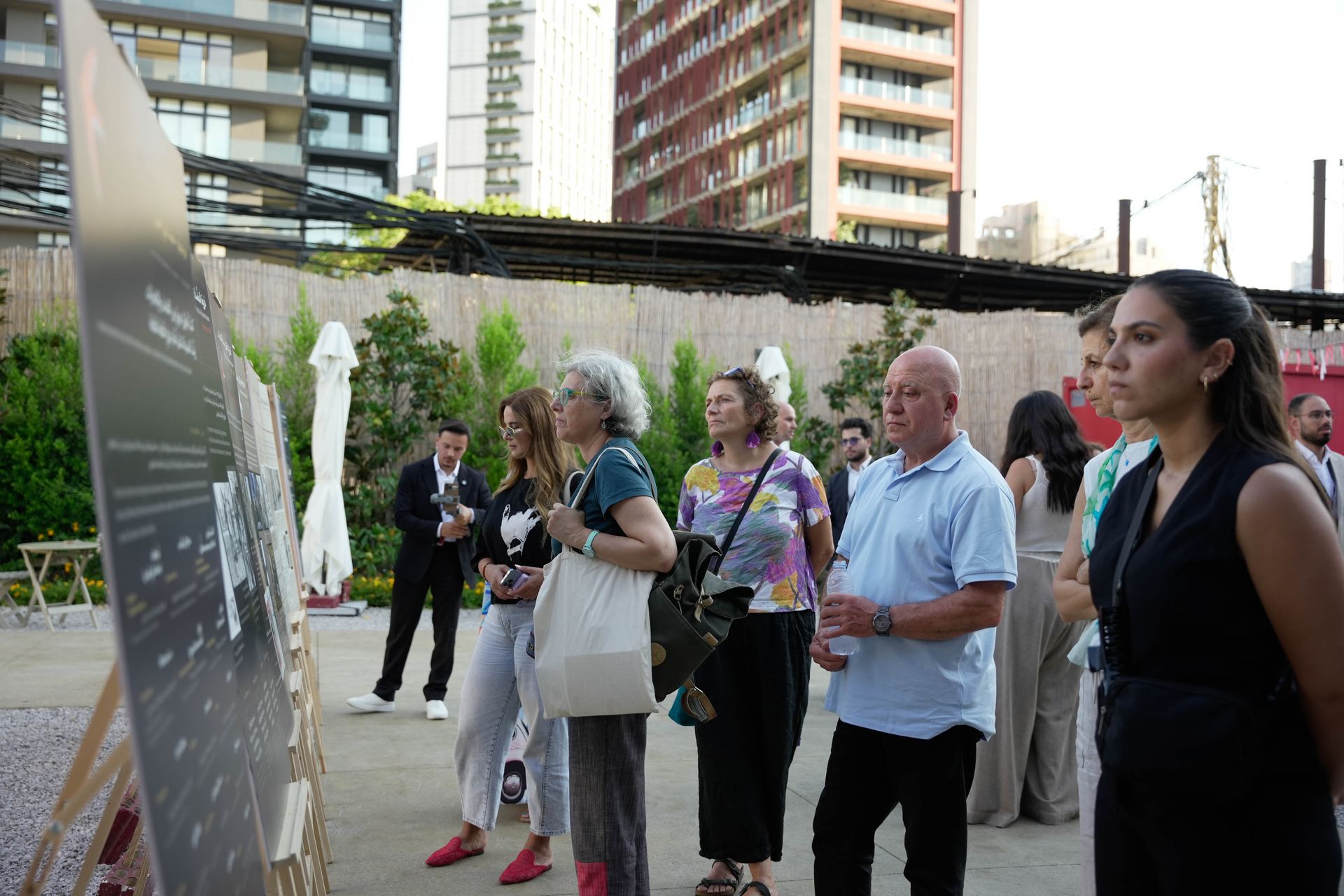
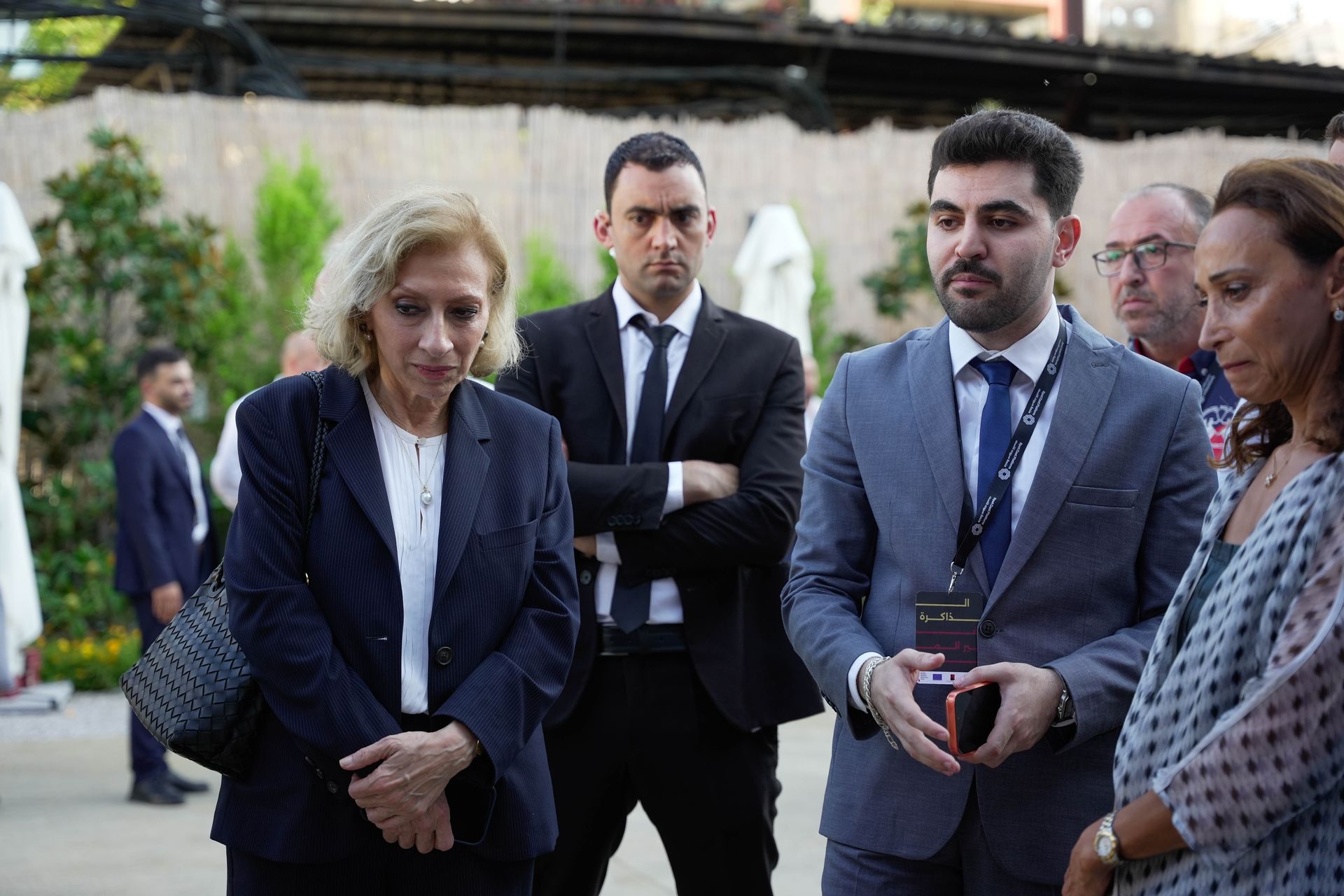
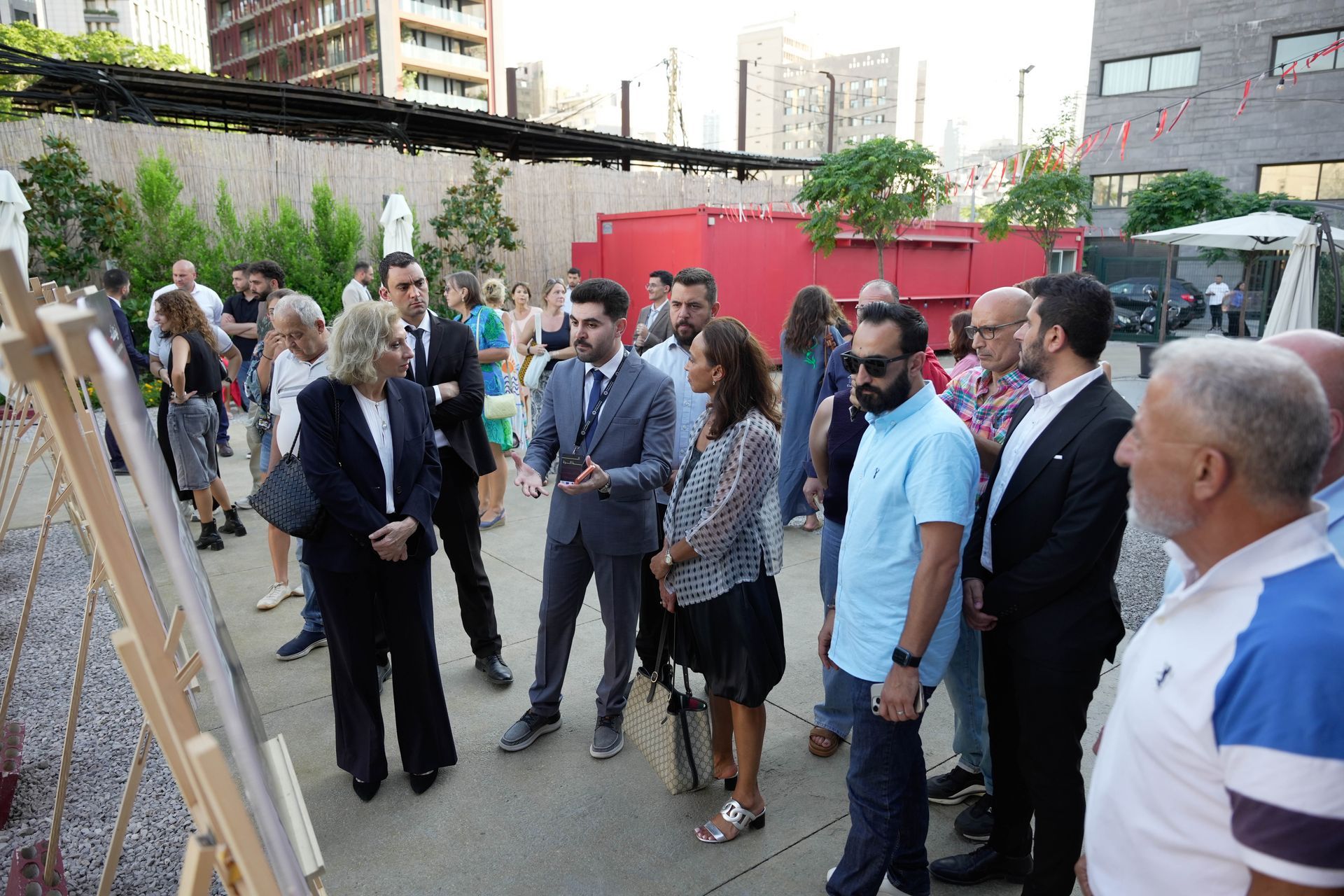
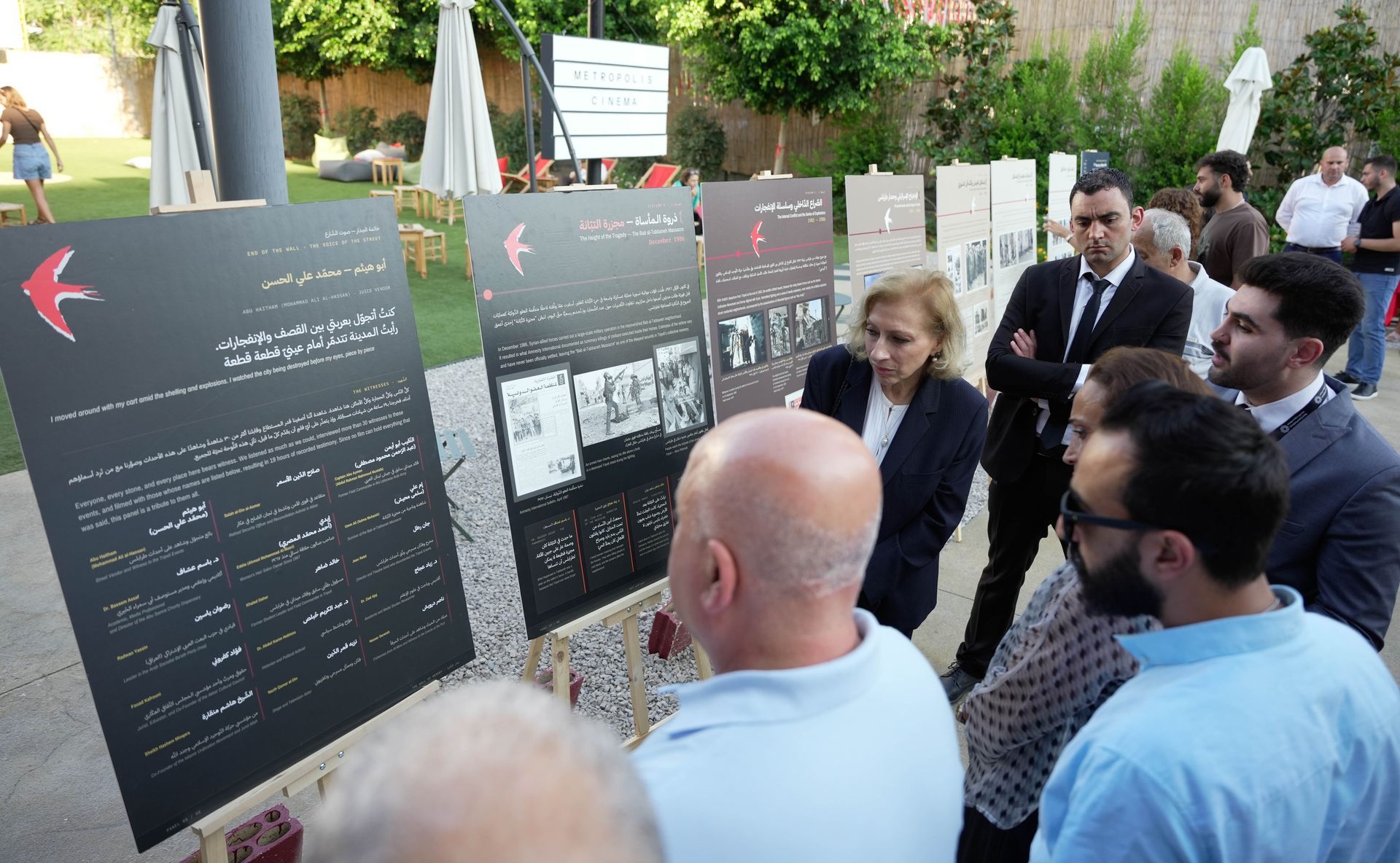
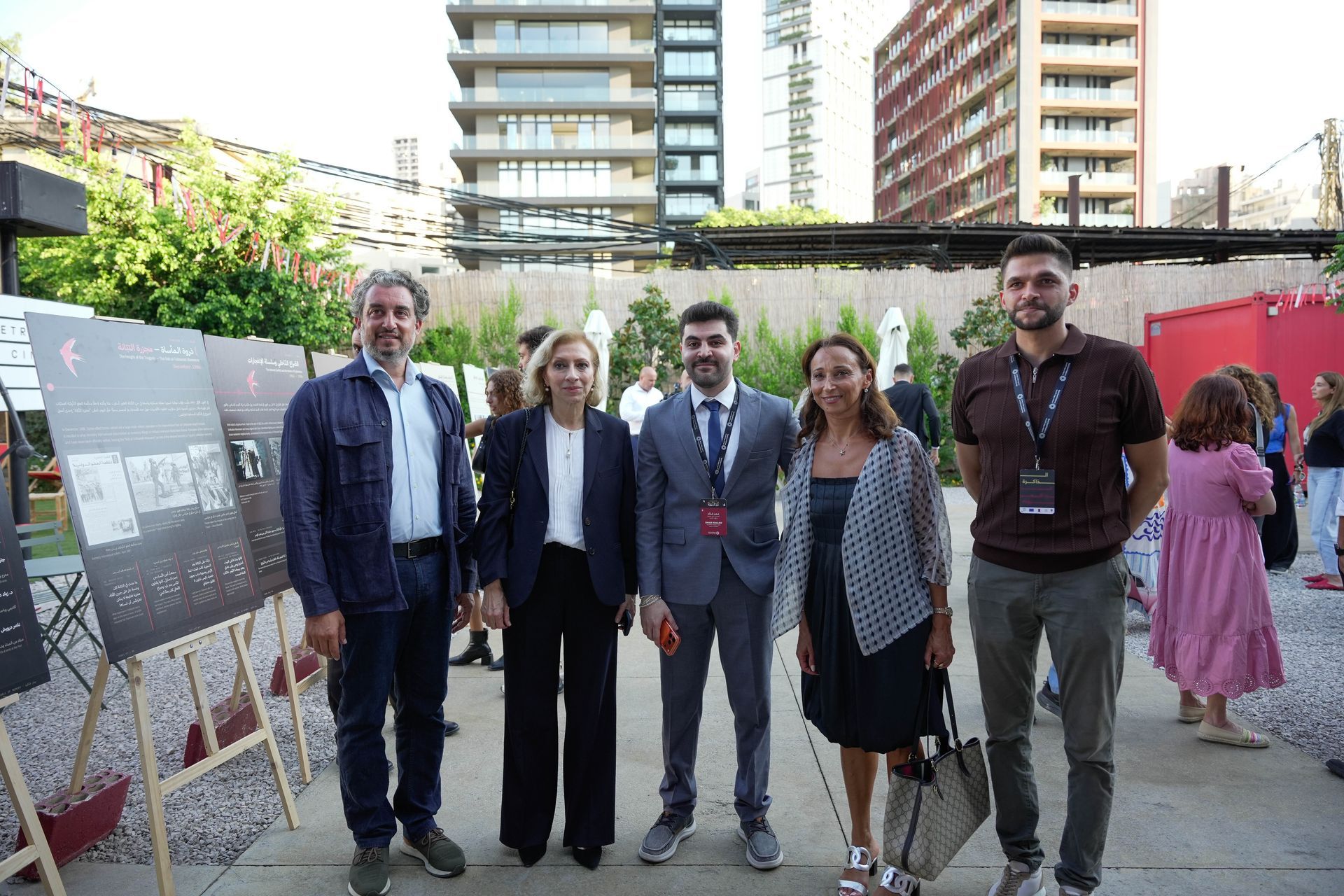
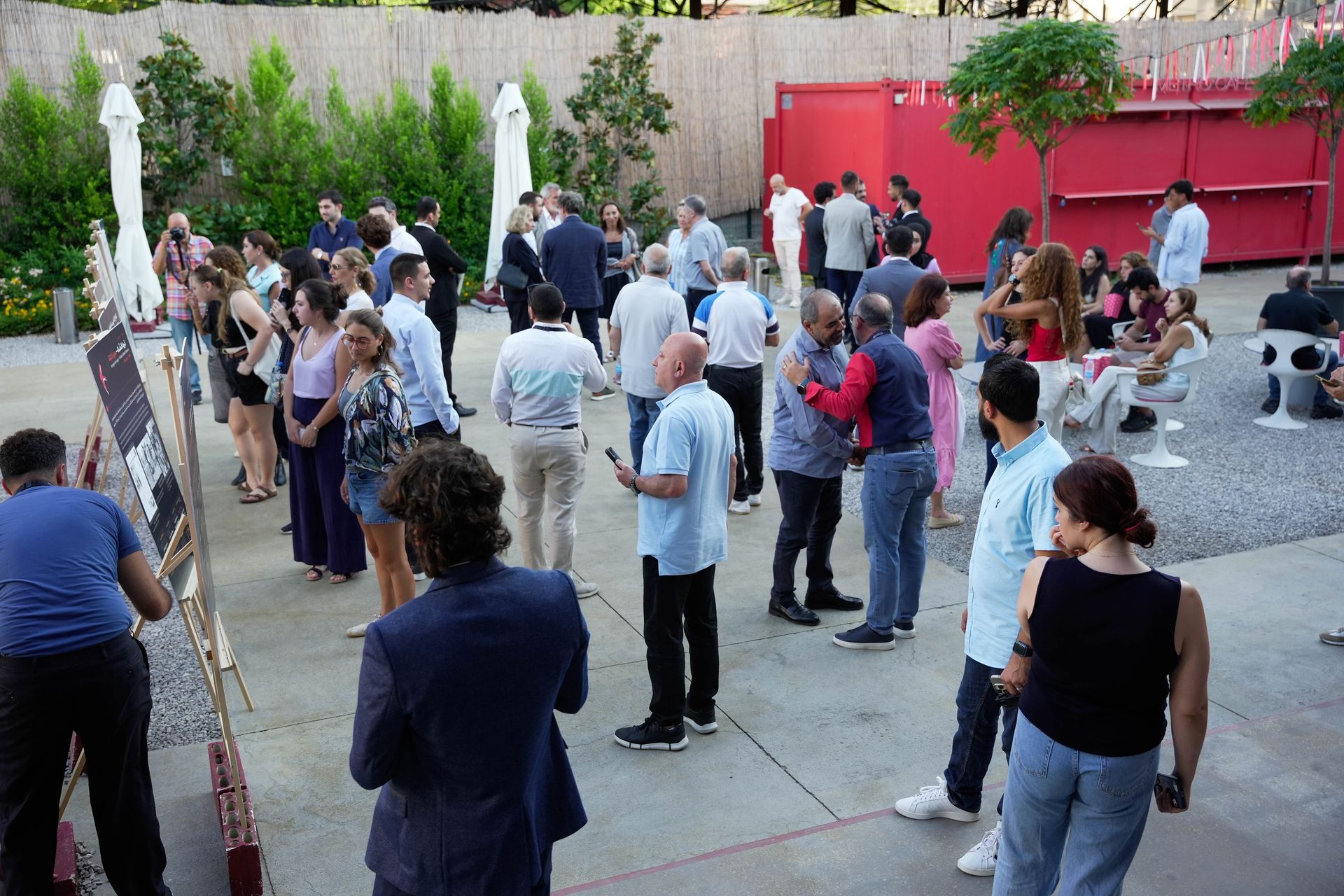
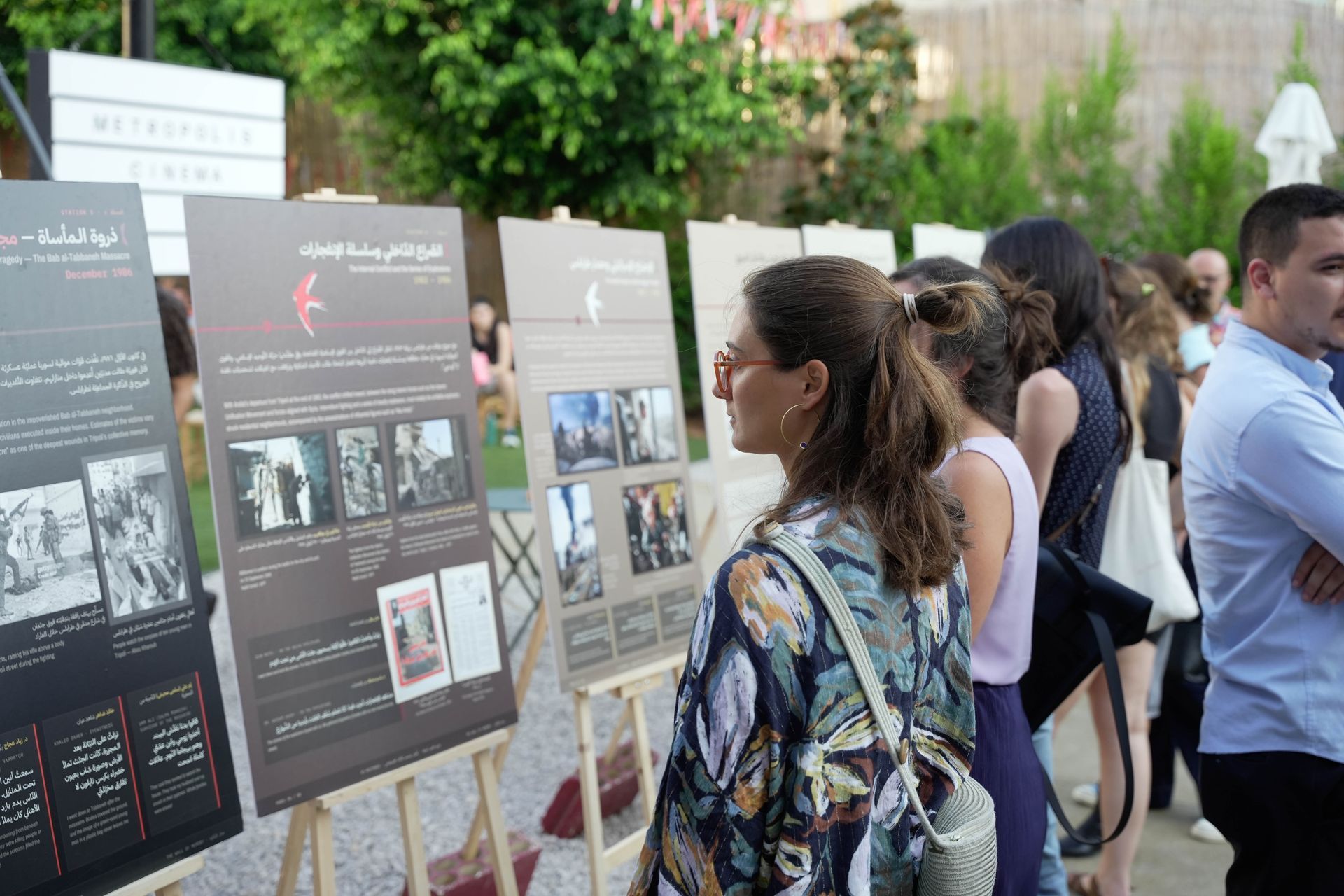
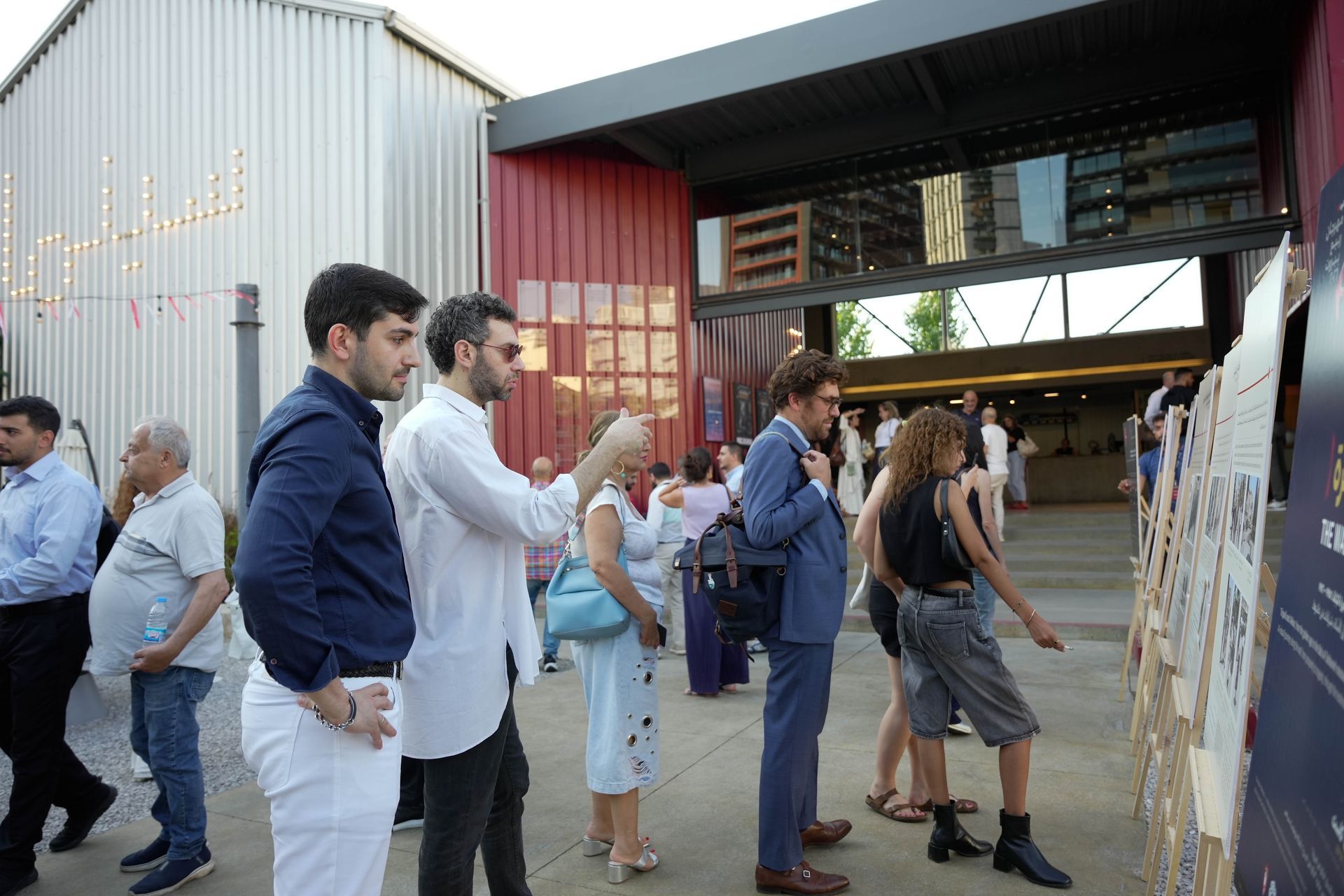
- The “Wall of Memories” exhibition, featuring restored archival photographs and accompanying both screenings, followed by a moderated discussion during the Tripoli screening to encourage reflection and exchange;
- An upcoming series of micro-documentary clips featuring short-form content designed for public outreach and digital engagement.
SpotCast is a community-based media organization deeply rooted in the region, with strong experience in storytelling, youth engagement, and multimedia production. Through this project, SpotCast amplifies marginalized voices and documents stories that have long remained untold.
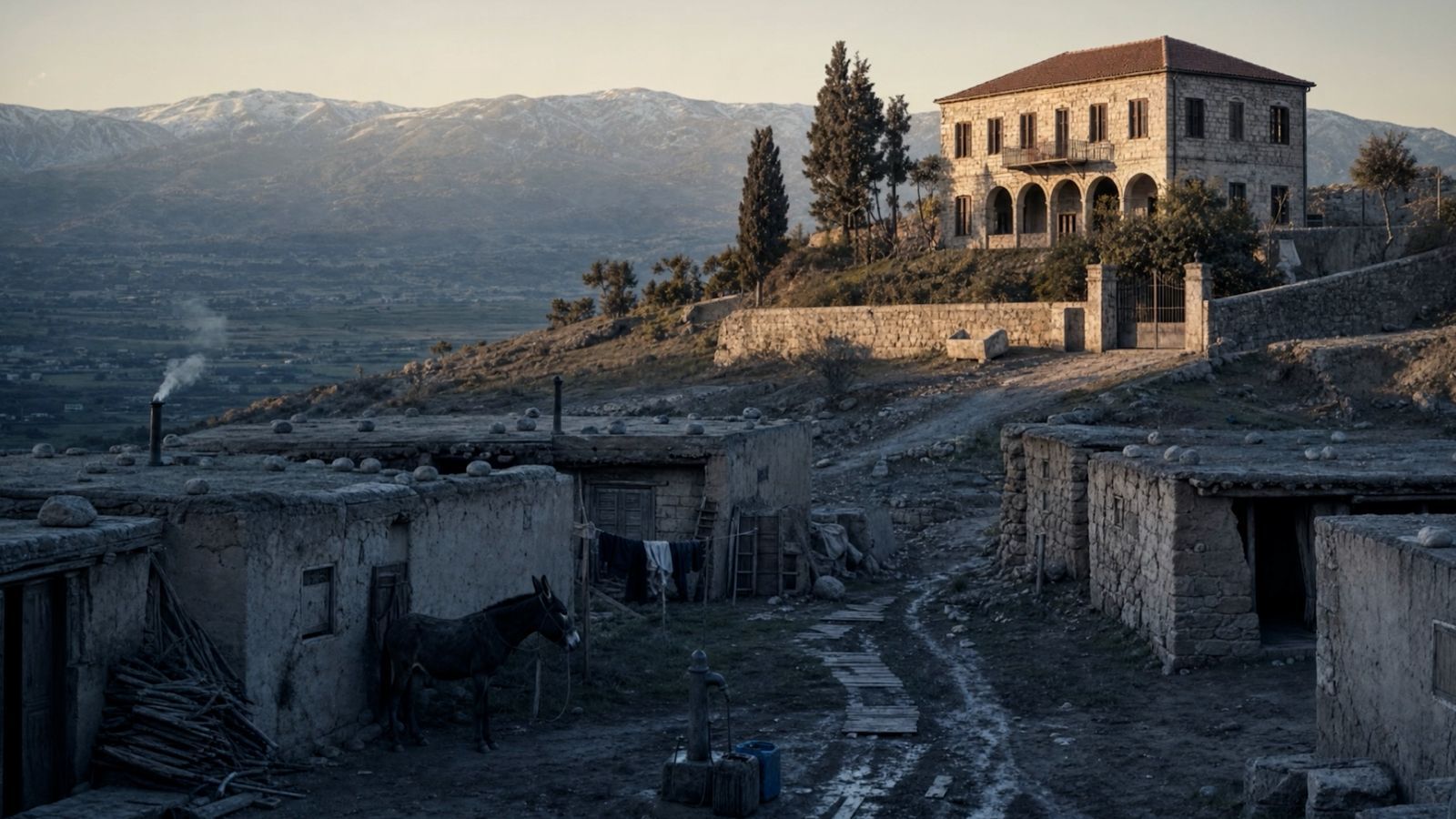
In the villages and back roads of Akkar and Northern Lebanon, the Civil War did not arrive as front-line combat. It arrived as checkpoints, silence, and the slow erosion of everyday certainty. “Echoes of the North: The Unspoken Memory” follows the buried testimonies of those who lived through this quieter, less-documented experience: the fear that shaped daily routines, the disappearances that were never explained, and the long shadow of the Syrian presence that followed the war itself.
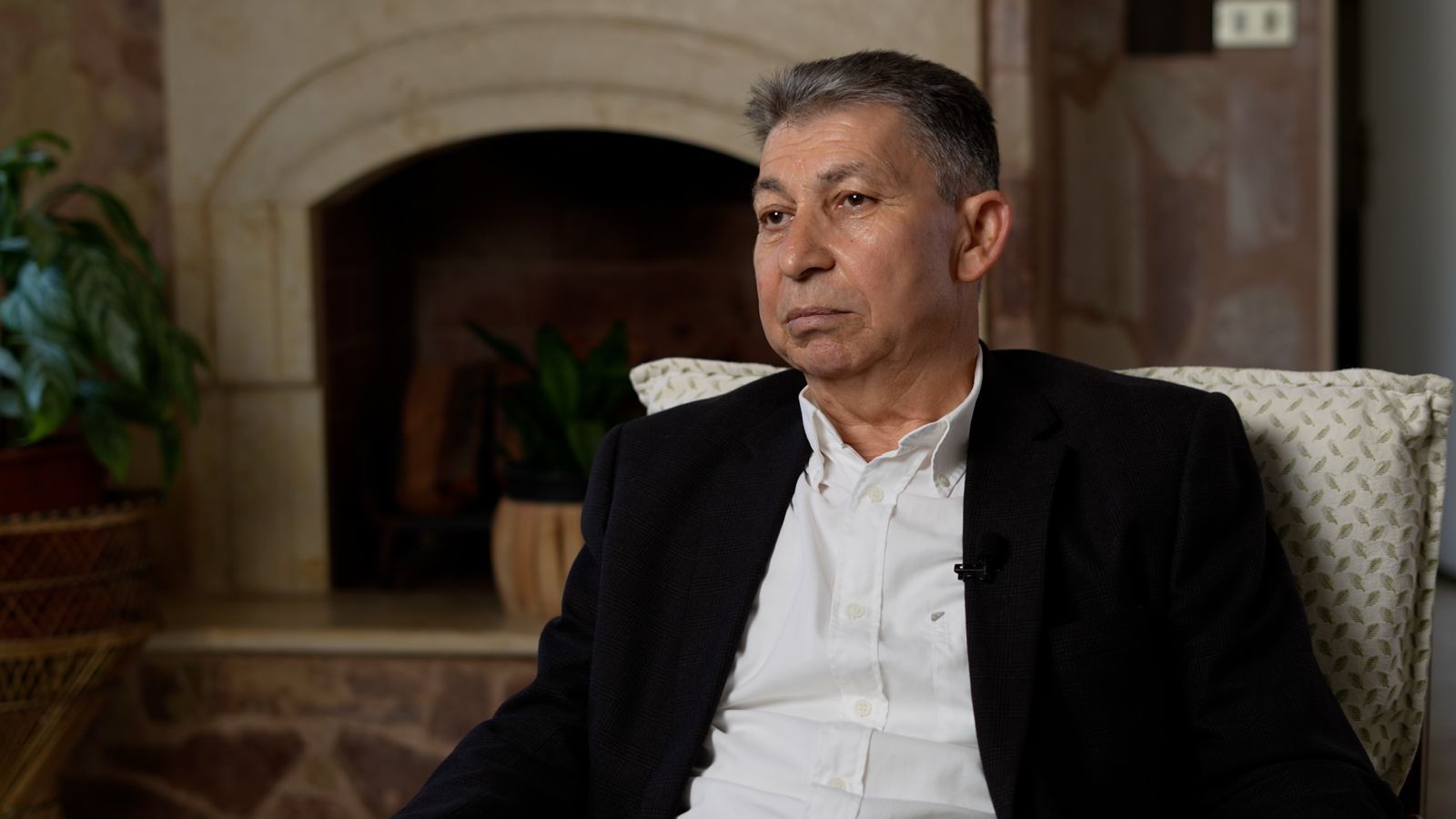
Through first-person interviews, many gathered for the first time, cinematic reenactments, restored archival photographs, and a soundscape woven from oral histories, the film reconstructs a memory that was never given a public voice. It gives particular weight to women’s experiences, so often absent from the region’s historical record, and traces how trauma is carried, distorted, or lost across generations - from grandparents to parents to a younger generation growing up with only fragments of the story.
“Echoes of the North” is not a history lesson. It is an act of listening, an attempt to give shape to what an entire region agreed, for decades, not to say out loud.
I grew up hearing the North described in broad outline, never in detail; a place the war had “passed over,” as if passing over left nothing behind. It took years of conversations in Akkar’s villages to understand how wrong that outline was. The war did not spare the North; it simply never gave it permission to speak.
This film began with listening, not filming. Before a single frame was shot, we sat with residents, many of them elderly women who had never been asked to share their stories before and let their memories shape the project rather than forcing those memories into a structure we had already established. What we found was not one war story, but many quiet ones: a checkpoint remembered by its smell, a disappearance never mentioned again after it happened, a silence passed from mother to daughter without either of them ever naming what it was.
My aim as director is to resist the instinct to over-narrate this material. Where the testimony is fragmented, the film remains fragmented. Where memory is contradictory, we let the contradiction stand. The reenactments are deliberately minimal and symbolic rather than literal, gestures and spaces rather than dramatized events. These stories were never experienced as cinema; they were experienced as absence. The film tries to honor that texture rather than smooth it over.
Ultimately, this is a film about who gets remembered nationally and who does not. For fifty years, Akkar and the North have been treated as peripheral to Lebanon’s war narrative. Echoes of the North does not claim to correct that record. It simply insists that the record is incomplete and that the people who lived through it are still here to say so.
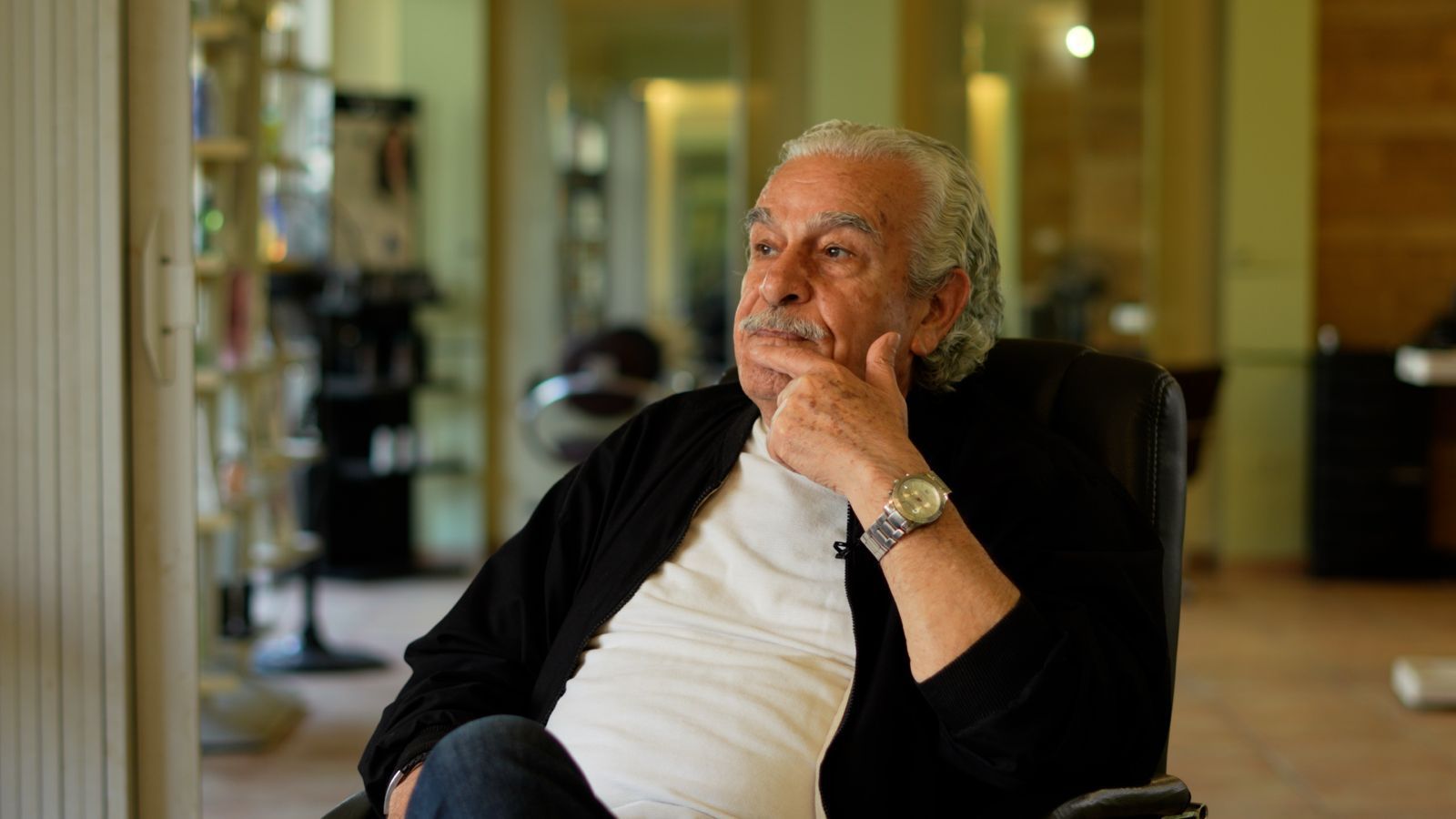
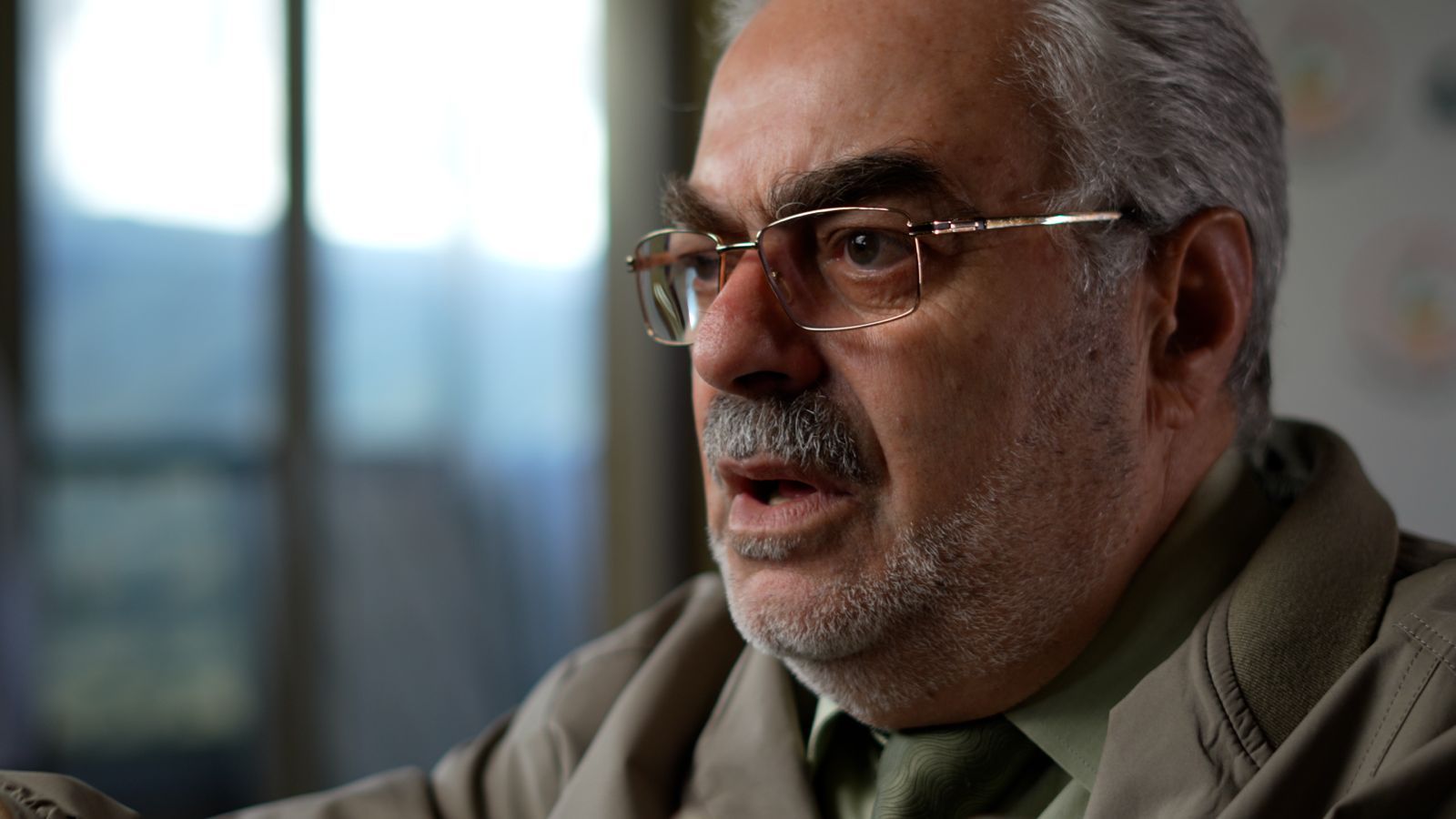
Echoes of the North: The Unspoken Memory is a documentary art film that reclaims the collective memory of the Lebanese Civil War in Tripoli and Akkar (1975–1986) through the first-person testimonies of sixteen witnesses who lived through it. Rather than presenting a dry historical account, the film follows an ascending five-chapter chronology: from the war’s first tremors and the rise of political polarization (1975–1976), through the arrival of Syrian forces under the Arab Deterrent Force and the reshaping of local power (1976–1982), to the Battle of Tripoli and Arafat’s departure (1983); the escalating violence and erasure that followed; the port massacre, the Balha explosion, the assassination of Abu Arabi, and the rise of the Tawhid movement (1983–1986); and, finally, the December 1986 killing of Syrian soldiers and the storming of Bab al-Tabbaneh, a defining wound in the North’s collective memory. Witnesses from Tripoli and from Akkar villages such as Berkayel and Tel Abbas speak side by side, establishing the North not as a passive periphery but as a central and contested arena of the war.
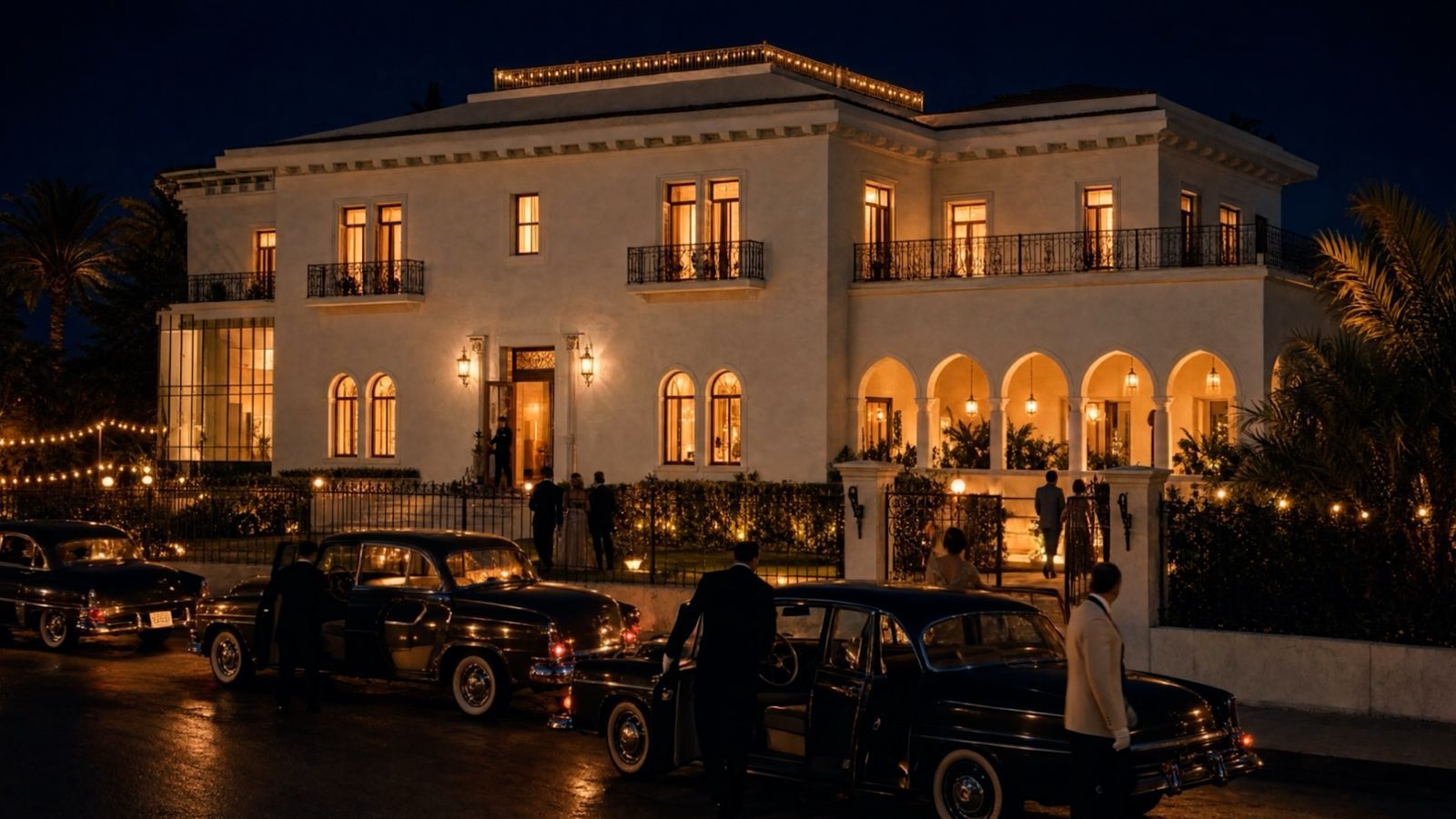
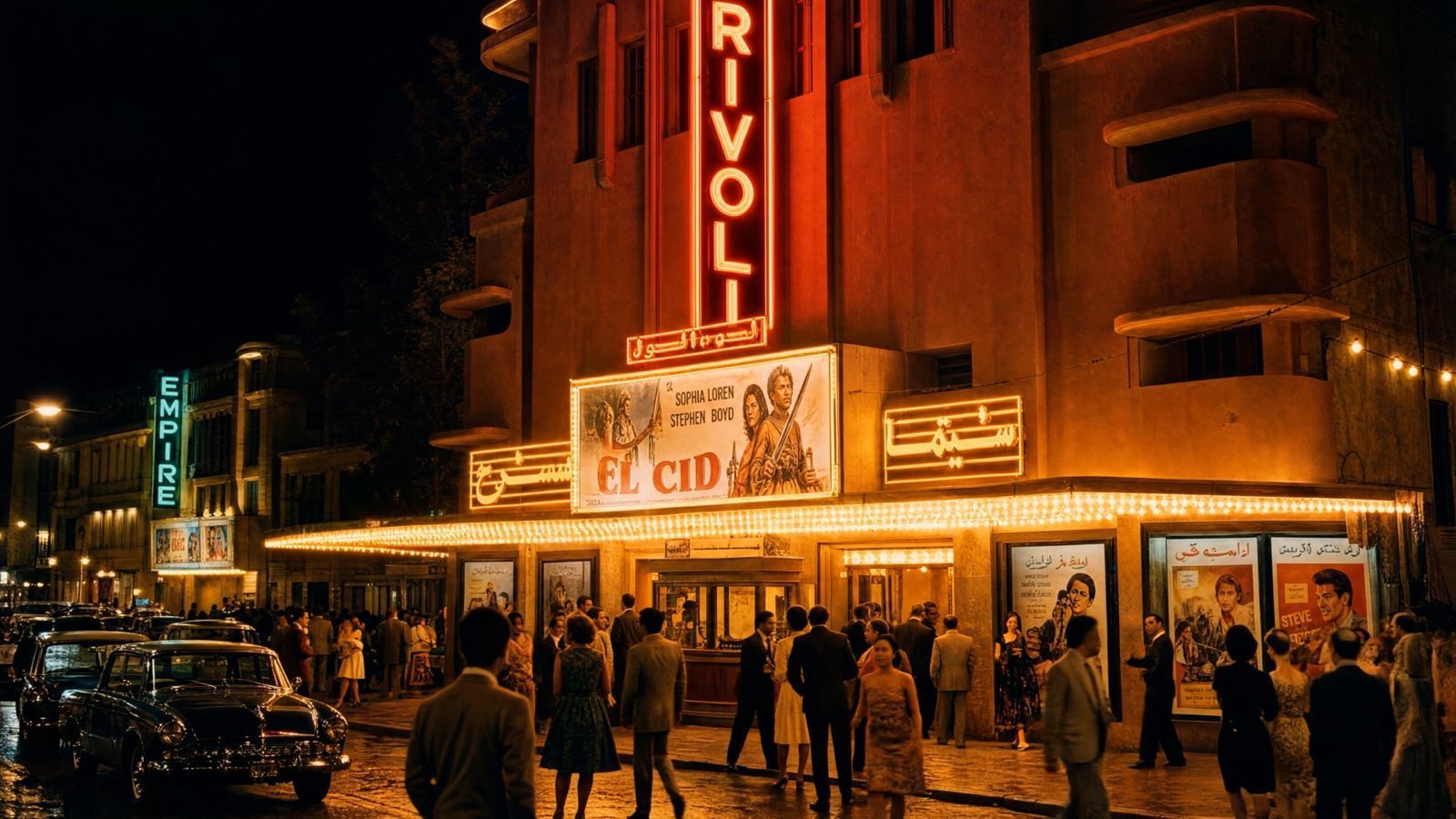
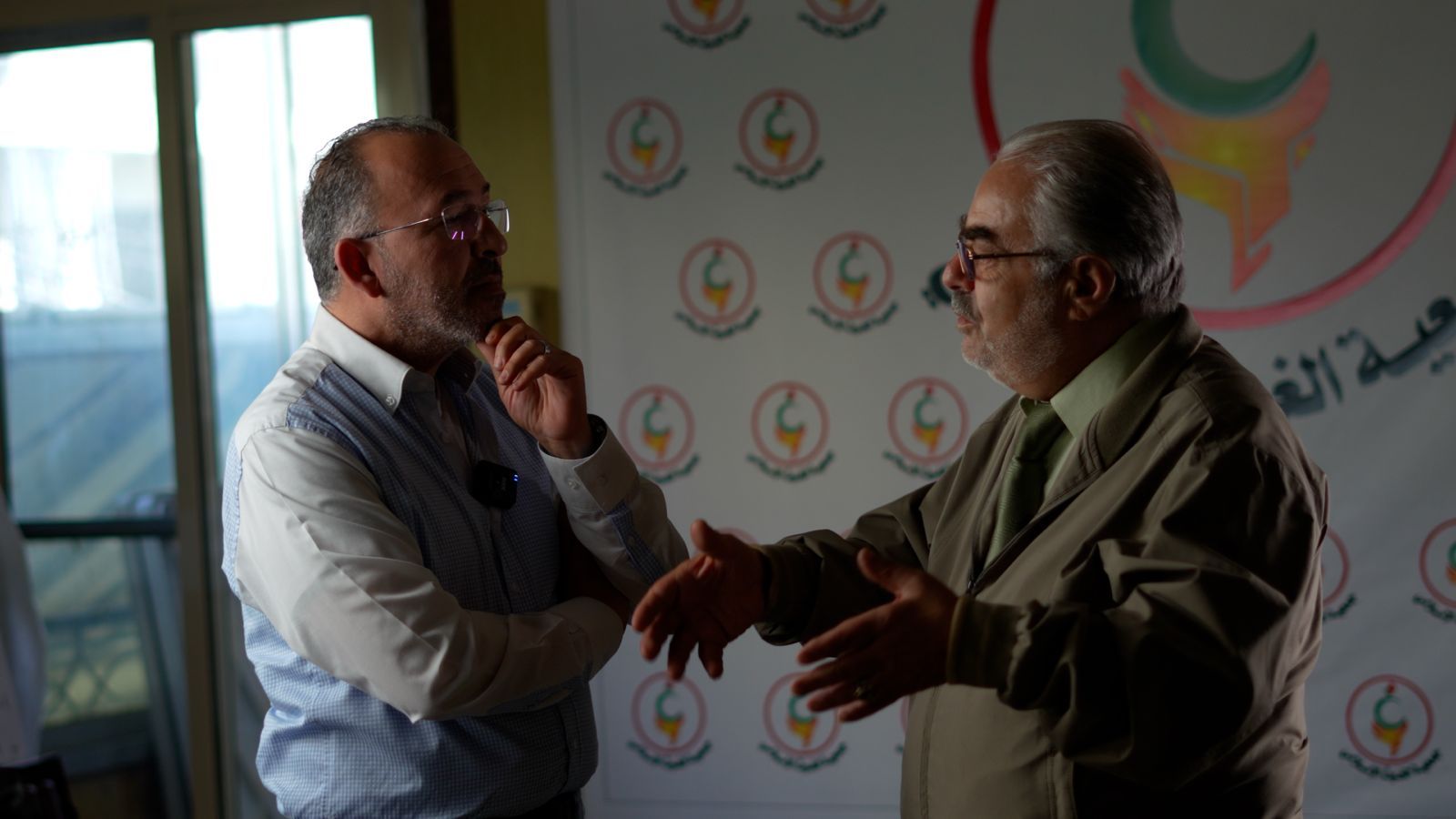
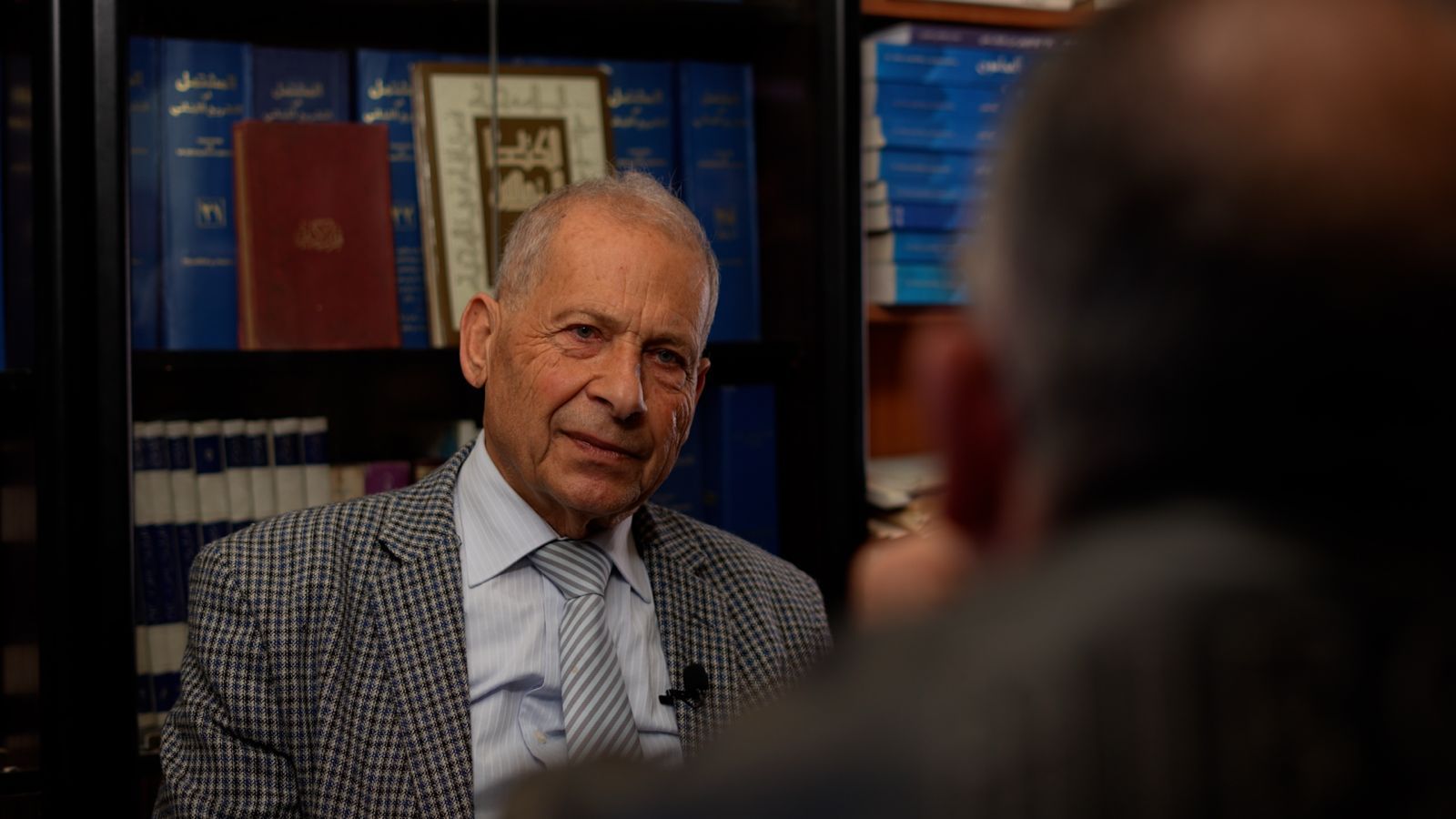
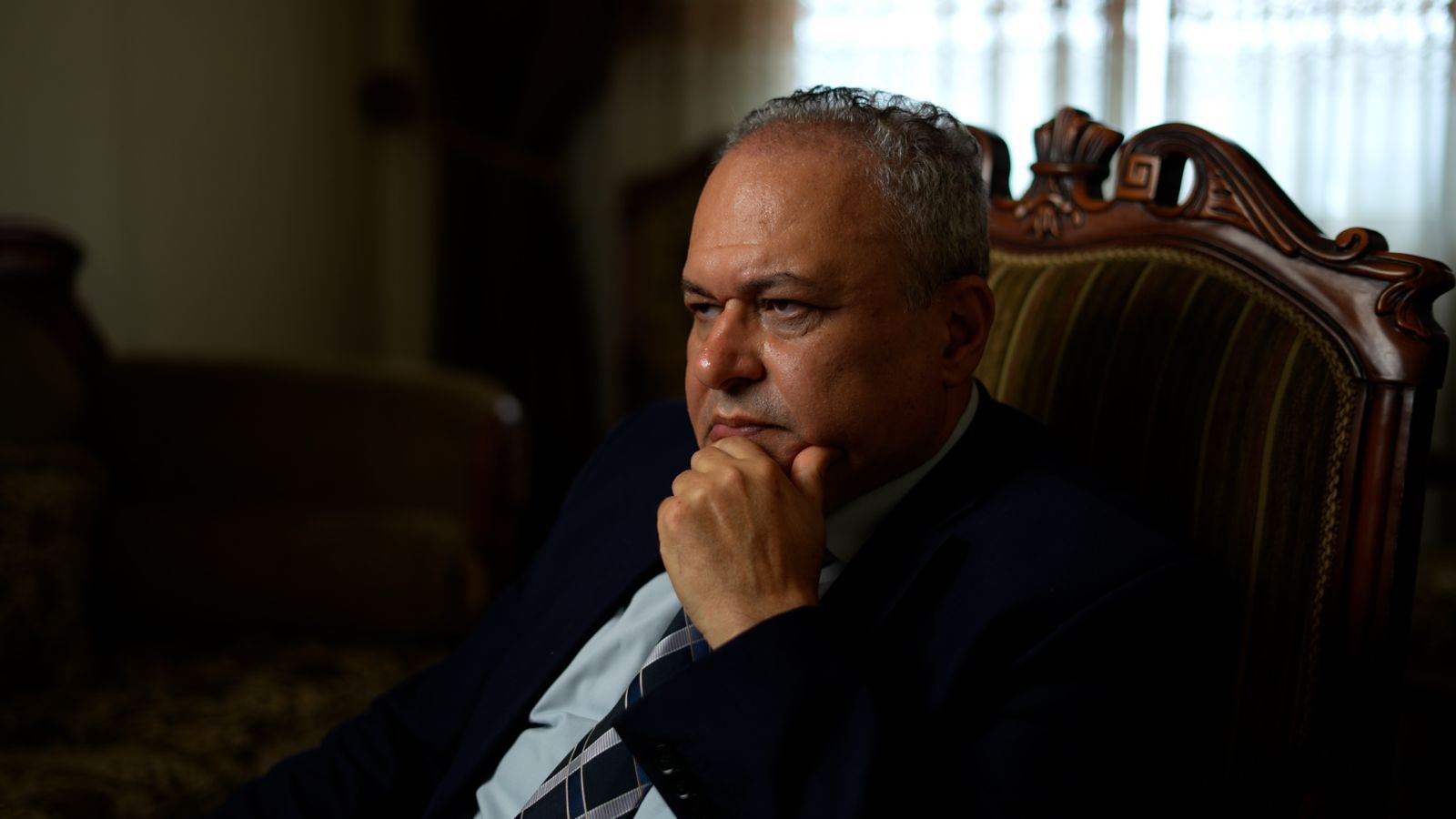
Visually and sonically, the film is built around four interlocking layers: witnesses speaking on camera in their own environments, without a narrator’s voice overriding their lived experience; archival newspapers, photographs, and maps from 1975–1986; the camera returning to present-day Bab al-Tabbaneh, the port, al-Qubba, Jabal Mohsen, the old markets, and Akkar’s villages to ask what remains in the stones and silences; and a soundscape built from field recordings and layered composition that evokes the era without resorting to literal reenactment. The material also serves as the raw archive for the project’s second component, the immersive exhibition “Wall of Memories”.
Arabic with English subtitles.
🕓 Approximately 60 minutes
No break
ECHOES OF THE NORTH: THE UNSPOKEN MEMORY
Written, Directed & Produced by
Omar Khaled
A SpotCast Production
Director of Photography / Cinematography
Saad Matar
Edited by
Saad Matar
Assistant Director
Saad Matar — AnaHon Production
Additional Camera
Assem Nayrab
Graphics & Titles
Hadi Sabbagh
CONCEPT RESEARCH & DEVELOPMENT
Hisham Dalati
Mohamad Obeid
Abdlrahman Khaled
FEATURING
16 witnesses across two geographies:
Tripoli
Abdul Nasser Yassin
Ridwan Yassin
Bassem Assaf
Dr. Ziad Ajaj
Idi al-Masri
Nazeeh Qamar al-Din
Nasser Darwish
The Qutb Brothers (Abu Omar & Abu Mohammad)
Jean Ratl
Abu Khaled
Kanaan Naji
Abu Ayman
Muin al-Murabbi
Akkar
Dr. Abdul Karim Habblas (Berkayel)
Osama al-Asmar / son of Abu Nafez (Berkayel)
Dr. Fouad Kafrouni (Tel Abbas)
WITH THE PARTICIPATION OF
Beirut Heritage Initiative
ARCHIVAL MATERIAL
Australian War Memorial
Wikimedia Commons
Getty Images
Magnum Photos / Eli Reed
Arab Image Foundation
British Pathé / Reuters
INA France — Institut National de l'Audiovisuel
Blinken OSA — Open Society Archives / CEU Budapest
AP Archive
TECHNICAL INFORMATION
Production Country
Lebanon
Filming Location
Tripoli, Lebanon
Production Year
2026
CO-FUNDED BY
The European Union
WITH THE SUPPORT OF
Samir Kassir Foundation
PRESENTED AT
Beirut Spring Festival 2026
© 2026 SpotCast. All rights reserved.
Metropolis Cinema
Indoors venue
Capacity: 200 seats
Phone Number: +961.1.202.422
Parking available for free / street parking / parking available for a fee
Beit El Fann / Azm Cultural Center
Indoors venue
Capacity: 200 seats
Phone Number: +961.3.387.714
Parking available for free / street parking / parking available for a fee